


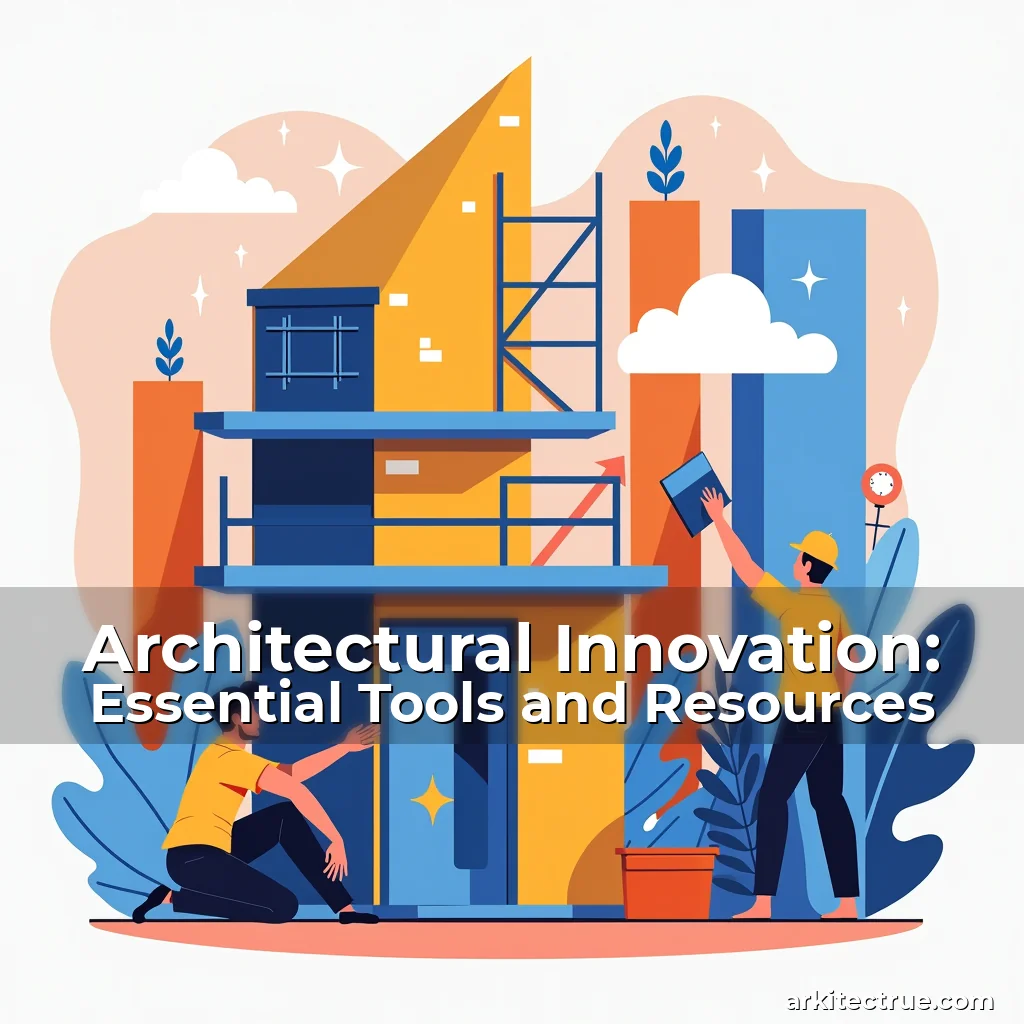
Architectural Innovation: Essential Tools and Resources
In an era where architecture is evolving at unprecedented speed, architectural innovation stands as the cornerstone of modern design practices. From sustainable building techniques to cutting-edge digital modeling tools, architects are constantly pushing boundaries to create structures that are not only functional but also transformative.
The integration of new technologies and methodologies has reshaped how professionals approach every stage of the design process. Whether through advanced materials or AI-driven design solutions, the field continues to redefine itself in response to global challenges such as climate change and urbanization.
The Role of Digital Modeling in Architectural Innovation
Digital modeling software has revolutionized the way architects conceptualize and visualize their projects. These tools allow designers to experiment with complex geometries and spatial relationships long before any physical construction begins.
By enabling real-time collaboration across geographically dispersed teams, digital platforms have transformed traditional workflows into dynamic processes. This shift has significantly reduced errors during the early stages of development.
One of the most significant advantages of using digital modeling tools is the ability to simulate various environmental conditions. Architects can now test how buildings will perform under different weather scenarios without needing to construct full-scale prototypes.
Beyond aesthetics and functionality, these models provide crucial data for sustainability assessments. Energy consumption predictions, daylighting analyses, and structural integrity tests can be conducted virtually, ensuring designs meet stringent eco-friendly standards.
Leading software options include:
- Revit: Widely used for BIM (Building Information Modeling), offering seamless integration of 3D models with project documentation
- CAD Software: Traditional yet powerful tools like AutoCAD remain essential for precise technical drawings and detailing
- Rhino + Grasshopper: Ideal for parametric design, allowing architects to manipulate geometric forms algorithmically
Each of these platforms contributes uniquely to the broader landscape of architectural innovation by providing tailored solutions suited to diverse project requirements.
Sustainable Design Practices Driving Modern Architecture
Sustainability has become a non-negotiable aspect of contemporary architectural practice. As cities grow denser and natural resources dwindle, innovative approaches to green building are shaping the future of our built environments.
Energy-efficient systems integrated into building envelopes play a critical role in reducing carbon footprints. Passive solar heating, high-performance insulation, and smart ventilation strategies exemplify how passive design principles contribute to overall energy savings.
Materials selection is another key area where sustainability intersects with innovation. Architects are increasingly turning towards recycled composites, low-VOC finishes, and locally sourced timber as alternatives to conventional construction materials.
Water conservation measures within architectural frameworks further enhance ecological performance. Rainwater harvesting systems combined with greywater recycling units help minimize dependency on municipal water supplies while promoting self-sufficiency.
A notable trend involves incorporating biophilic elements into urban developments. By integrating indoor plants, living walls, and natural light sources, architects aim to bridge the gap between human habitation spaces and nature.
This holistic approach ensures that sustainable initiatives do not come at the expense of aesthetic appeal or user experience; rather they enrich both aspects simultaneously.
Case Study: Green Building Certification Systems
Green building certification programs serve as benchmarks for evaluating sustainability efforts in architectural projects worldwide. Certifications such as LEED (Leadership in Energy and Environmental Design) set rigorous guidelines aimed at minimizing environmental impact through responsible resource use.
Data from recent studies indicate that certified green buildings consume approximately 25% less energy than standard constructions. Additionally, occupants report higher satisfaction levels due to improved air quality and thermal comfort.
Such metrics highlight the tangible benefits associated with adhering to recognized sustainability standards. They also encourage developers and investors alike to prioritize environmentally conscious ventures.
Moreover, these certifications often qualify structures for financial incentives including tax credits, grants, and lower utility rates—making them economically viable choices even beyond ethical considerations.
Emerging Technologies Reshaping Architectural Landscapes
The rapid advancement of emerging technologies presents exciting opportunities for redefining architectural norms. Innovations ranging from artificial intelligence applications to robotic fabrication methods promise to elevate efficiency and creativity within the profession.
Artificial Intelligence (AI) is gradually becoming indispensable in streamlining repetitive tasks involved in architectural drafting and analysis. Machine learning algorithms can predict optimal layouts based on historical data inputs, saving considerable time otherwise spent manually adjusting plans.
Automation extends beyond mere computational assistance—it influences material application processes too. Robotics employed in construction sites enable precision assembly operations previously unattainable via manual labor alone.
These technological interventions not only accelerate project timelines but also open up possibilities for creating intricate patterns and forms that challenge conventional notions of structure and form.
As we witness greater adoption of these innovations, it becomes imperative for practitioners to stay informed about potential implications regarding workforce dynamics, safety protocols, and regulatory compliance issues arising from automation.
Fostering Collaborative Spaces Through Innovative Design
In today’s interconnected world, collaborative workspaces represent a fundamental evolution in office environments designed specifically for fostering teamwork and productivity among multidisciplinary groups.
Open-plan layouts coupled with modular furniture configurations facilitate spontaneous interactions which stimulate creative ideation sessions. Such flexible arrangements adapt easily according to changing team sizes or meeting needs.
Smart technology embedded within interior furnishings enhances usability features like adjustable lighting controls and occupancy sensors that optimize space utilization effectively.
Furthermore, integrating recreational zones featuring lounges or wellness areas encourages mental well-being alongside professional engagement—a vital consideration given current remote working paradigms.
Designers must balance openness against necessary privacy pockets so individuals retain personal space when required, thus maintaining equilibrium between social interaction preferences versus individual concentration needs.
Through thoughtful implementation of these elements, architects craft inspiring workplaces capable of nurturing innovation cultures that drive business success forward.
Urban Planning Strategies Promoting Smart Growth
Effective urban planning plays a pivotal role in guiding city expansions toward smarter growth trajectories aligned with environmental stewardship goals and socioeconomic equity objectives.
Prioritizing mixed-use zoning policies allows residential neighborhoods to coexist seamlessly with commercial enterprises thereby reducing commuting distances significantly while enhancing local economies.
Implementing transit-oriented development models reduces reliance on private vehicles by making public transportation accessible and efficient—an initiative supported globally by numerous municipalities aiming to cut greenhouse gas emissions.
Green infrastructure investments such as tree-lined corridors and permeable pavements mitigate heat island effects contributing positively towards climate resilience strategies adopted by many metropolitan regions.
Additionally, adaptive reuse of existing infrastructures prevents unnecessary demolition activities preserving cultural heritage values alongside minimizing waste generation linked to new construction endeavors.
Together these strategic interventions pave pathways leading toward resilient communities equipped better handle future uncertainties posed by population increases along with climatic shifts affecting coastal areas especially vulnerable populations residing there.
Exploring Parametricism in Contemporary Architecture
Parametricism represents a revolutionary approach where mathematical parameters define architectural forms generating fluid shapes that defy traditional rectilinear constraints.
Using sophisticated algorithms housed inside specialized software packages architects achieve level of complexity previously deemed impossible manually drawing out each component individually.
This methodology enables creation highly responsive facades reacting dynamically changes occurring externally environment like sunlight intensity wind direction etc., thus optimizing building performance continuously over its lifespan.
Notably Zaha Hadid Architects pioneered employment parametric techniques producing iconic structures characterized flowing curves organic silhouettes which distinguish themselves clearly amidst rigidly structured counterparts found elsewhere around globe.
Despite visual spectacle generated through parametric design certain criticisms persist concerning maintenance costs related irregular surfaces requiring frequent upkeep compared regular flat planes easier clean maintain.
Nevertheless ongoing refinements being made software capabilities suggest future iterations might address these concerns efficiently balancing aesthetic ambition practicality requirements demanded modern architectural vocabulary.
The Future of Construction: Prefabrication and Modular Techniques
Prefabrication and modular construction are gaining momentum as viable alternatives to traditional site-based building methodologies due primarily their inherent cost-effectiveness accelerated timeline completion periods.
Components manufactured off-site under controlled factory conditions ensure superior quality control resulting fewer defects encountered upon final installation phase contrasting inconsistencies typically observed conventional construction sites exposed variable weather conditions impacting material curing times adversely.
Transportation logistics pose challenges however since oversized modules require careful handling during transit risking damage unless properly secured within specially designed containers accommodating dimensional specifications precisely met pre-production planning stages.
Despite logistical hurdles growing demand prefabricated housing solutions particularly evident affordable shelter initiatives tackling homelessness crises several countries experimenting scalable deployment strategies leveraging automation robotics streamline assembly procedures post-delivery locations.
Advancements additive manufacturing known 3D printing present intriguing prospects potentially disrupting entire supply chains currently dependent imported raw materials distant suppliers located thousands miles away delivering finished products sometimes months delay caused delays customs clearances.
With continuous improvements being made materials science fields lightweight durable compounds suitable extrusion processes expanding horizons what considered feasible constructing everything from single family homes multi-story apartment blocks entirely automated fashion eliminating need skilled labor force traditionally required erecting structures conventionally.
Community Engagement in Architectural Projects
Active participation local residents throughout lifecycle architectural undertaking fosters stronger sense belonging ownership ultimately leading successful implementations reflecting genuine community aspirations desires.
Engagement tactics range from initial feasibility studies involving stakeholder consultations determining priority needs addressing common grievances experienced daily life neighborhood settings.
Ongoing dialogue maintained throughout phases execution ensures adjustments made proactively preventing costly revisions later stages could jeopardize budgets schedules originally outlined proposals.
Transparent communication channels established early stages build trust demonstrating commitment listening incorporating feedback wherever possible respecting limitations imposed technical realities economic factors influencing decisions finalized blueprints.
Ultimately inclusive participatory model strengthens bonds formed between designers inhabitants creating legacy lasting impact transcending immediate outcomes benefiting generations ahead.
Education and Training for Tomorrow’s Architects
To sustain progress within rapidly changing industry landscape continual investment education training remains paramount necessity equipping upcoming professionals requisite skillsets navigating complexities tomorrow awaits them.
Curriculum reforms emphasizing interdisciplinary learning bridging gaps existent between theoretical knowledge practical application prepare graduates adept tackling multifaceted problems confronting contemporary societies facing unprecedented scale magnitude.
Experiential pedagogical approaches incorporating hands-on workshops virtual reality simulations augment traditional lecture formats reinforcing comprehension abstract concepts through immersive interactive experiences students engage deeply subject matter personally relevant contexts.
Collaborative projects undertaken international partnerships expose learners diverse perspectives broadening understanding global challenges necessitating cooperative solutions achieved collective effort transcending borders geographical divisions separating nations continents.
Professional accreditation bodies updating licensing criteria aligning competencies demanded modern workplace environments ensuring newly licensed architects possess credentials verifying readiness assume roles responsibilities entrusted upon them entering profession.
Conclusion
Architectural innovation encapsulates a dynamic interplay between tradition and transformation, continually redefining how we interact with our surroundings. It drives not only aesthetic advancements but also functional enhancements that cater to evolving societal demands.
The journey toward embracing novel ideas requires steadfast dedication fueled passion exploring endless possibilities available toolkit comprising latest technologies progressive philosophies championed visionary leaders paving roads ahead.
For those committed advancing discipline, staying abreast developments shaping horizon is essential ingredient cultivating enduring influence within ever-evolving architectural domain.
“`


news is a contributor at ArkitecTRUE. We are committed to providing well-researched, accurate, and valuable content to our readers.
You May Also Like

Architectural Innovation for Beginners: Getting Started
The Future is Now: Architectural Innovation Redefining Spaces and Structures In an era defined by rapid technological advancement and environmental...

Next Generation Budding Architects Take the Spotlight at AIS Design Olympiad 6 0
The event was attended by over 1000 participants from across the India. The AIS Design Olympiad is a prestigious national-level...

From High Tech Icons to Social Housing : The Evolving Role of Prefabrication
Prefabrication is one of the most transformative innovations in architecture and construction, redefining how buildings are designed, manufactured, and assembled....

How to Choose Architectural Innovation: Expert Guide
How to Choose Architectural Innovation: Expert Guide In an era defined by rapid technological advancements and evolving environmental challenges, architectural...