


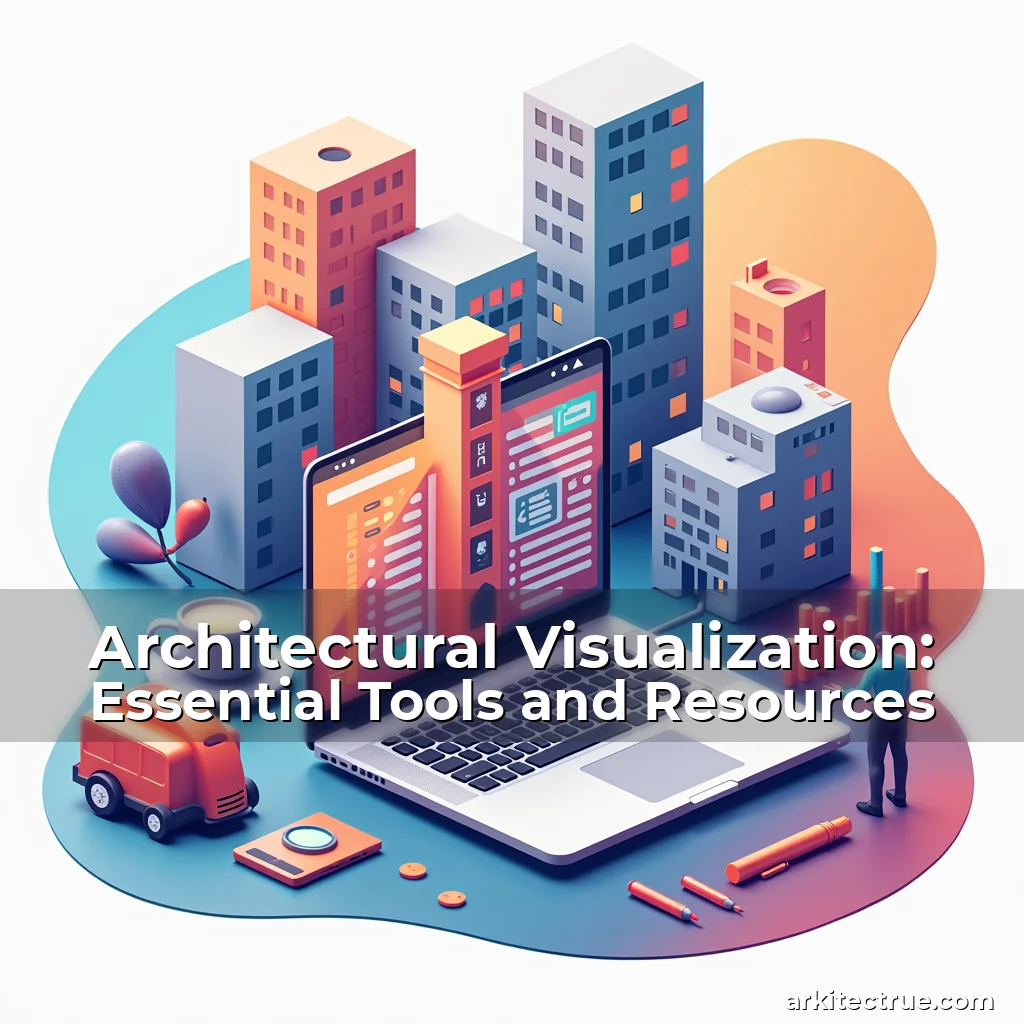
Architectural Visualization: Essential Tools and Resources
In an era where design ideas must be communicated visually before construction begins, architectural visualization has become indispensable for architects, designers, and developers alike.
This dynamic field bridges conceptual creativity with technical precision, allowing stakeholders to experience spaces virtually long before they exist physically.
The Role of Architectural Visualization in Modern Design
Architectural visualization transforms abstract sketches and blueprints into lifelike representations that help clients envision completed projects.
It enables early detection of potential issues through virtual walkthroughs, reducing costly revisions later in the building process.
Modern tools now allow for real-time rendering and interactive presentations, making communication between professionals and clients more effective than ever.
The ability to visualize spatial relationships helps ensure functional layouts that align with both aesthetic goals and practical needs.
Technological Foundations of Architectural Visualization
Advancements in computer graphics have revolutionized how designs are presented, offering unprecedented levels of realism and interactivity.
From basic CAD software to complex simulation programs, various technologies enable different aspects of visual representation and analysis.
High-performance GPUs play a crucial role in processing complex renderings efficiently without compromising quality.
Cloud computing platforms now support collaborative workflows by enabling teams to access models from anywhere at any time.
Software Suite Essentials for Professionals
Selecting appropriate software is critical as each tool serves distinct purposes within the visualization workflow.
Autodesk Revit remains popular among BIM practitioners due to its integration capabilities across disciplines.
V-Ray stands out for photorealistic rendering, often used alongside modeling applications like SketchUp and Blender.
Blender offers robust 3D modeling features along with animation and video editing tools useful for creating immersive experiences.
- Lumion: Ideal for quick renders with intuitive interface suitable for beginners learning the basics.
- DraftSight: Excellent alternative for those needing advanced 2D drafting functions similar to AutoCAD but at lower cost.
Real-Time Rendering Technologies
Traditional offline rendering methods can take hours or even days depending upon scene complexity.
Real-time engines such as Unreal Engine and Unity provide instant feedback during presentation sessions.
This capability allows users to explore environments interactively while adjusting parameters dynamically.
Such systems also facilitate VR integration which enhances client engagement significantly.
Virtual Reality Integration in Architectural Projects
VR technology immerses users inside digital replicas of buildings, giving them first-hand experience of proposed designs.
Achieving high fidelity requires careful attention to lighting conditions, textures, and spatial acoustics within virtual spaces.
Hardware compatibility varies widely; choosing compatible headsets ensures smooth operation without lag or distortion.
Developers must balance hardware costs against expected benefits when implementing VR solutions commercially.
Augmented Reality Applications for Onsite Planning
AR overlays digital information onto physical locations helping workers understand site contexts better.
Using mobile devices equipped with AR apps lets teams superimpose structural plans over actual terrain measurements.
This approach minimizes errors associated with traditional surveying techniques and improves accuracy substantially.
Integration with GPS data further enhances location-based contextual awareness during planning phases.
Data-Driven Decision Making Through Visualization Analytics
Visualization analytics leverages big data sets to inform strategic choices regarding materials selection and sustainability metrics.
By analyzing historical performance data, planners identify patterns leading towards optimized energy consumption strategies.
Sensors embedded within smart buildings generate continuous streams of operational efficiency indicators.
Analyzing these datasets reveals opportunities for improvement not apparent through conventional inspection methods alone.
Educational Pathways Into Professional Practice
Becoming proficient involves formal education combined with hands-on practice using industry-standard tools.
Courses covering fundamentals of perspective drawing, color theory, and lighting principles form essential foundations.
Workshops focused specifically on mastering specific software packages increase competency rapidly.
Continuing education keeps practitioners updated on emerging trends affecting their work daily.
Finding Communities & Support Networks Online
Active online forums foster knowledge sharing amongst peers working globally under diverse cultural backgrounds.
Participating regularly strengthens professional networks opening doors to future collaborations or job prospects.
Following influential figures via social media provides insights into cutting-edge developments shaping current practices.
Making contributions back into these communities reinforces personal expertise through teaching others effectively.
Future Trends Shaping Next Generation Visualizations
Rapid technological evolution promises innovations transforming existing paradigms entirely new directions.
Artificial intelligence will likely automate many repetitive tasks currently performed manually by artists.
Generative design algorithms may soon produce initial drafts based purely upon inputted constraints rather than human imagination alone.
These shifts challenge creatives to redefine roles emphasizing uniquely human qualities like emotional storytelling capacity.
Conclusion
As we’ve explored throughout this guide, architectural visualization represents much more than mere image generation.
It encompasses sophisticated methodologies combining artistry with scientific rigor to achieve impactful outcomes consistently.
Choosing right combination of tools coupled with ongoing skill development ensures continued success navigating evolving landscape successfully.
Engaging actively within supportive communities further accelerates growth facilitating access resources unavailable otherwise easily.
“`html
Architectural Visualization: Essential Tools and Resources
In an era where design ideas must be communicated visually before construction begins, architectural visualization has become indispensable for architects, designers, and developers alike.
This dynamic field bridges conceptual creativity with technical precision, allowing stakeholders to experience spaces virtually long before they exist physically.
The Role of Architectural Visualization in Modern Design
Architectural visualization transforms abstract sketches and blueprints into lifelike representations that help clients envision completed projects.
It enables early detection of potential issues through virtual walkthroughs, reducing costly revisions later in the building process.
Modern tools now allow for real-time rendering and interactive presentations, making communication between professionals and clients more effective than ever.
The ability to visualize spatial relationships helps ensure functional layouts that align with both aesthetic goals and practical needs.
Technological Foundations of Architectural Visualization
Advancements in computer graphics have revolutionized how designs are presented, offering unprecedented levels of realism and interactivity.
From basic CAD software to complex simulation programs, various technologies enable different aspects of visual representation and analysis.
High-performance GPUs play a crucial role in processing complex renderings efficiently without compromising quality.
Cloud computing platforms now support collaborative workflows by enabling teams to access models from anywhere at any time.
Software Suite Essentials for Professionals
Selecting appropriate software is critical as each tool serves distinct purposes within the visualization workflow.
Autodesk Revit remains popular among BIM practitioners due to its integration capabilities across disciplines.
V-Ray stands out for photorealistic rendering, often used alongside modeling applications like SketchUp and Blender.
Blender offers robust 3D modeling features along with animation and video editing tools useful for creating immersive experiences.
- Lumion: Ideal for quick renders with intuitive interface suitable for beginners learning the basics.
- DraftSight: Excellent alternative for those needing advanced 2D drafting functions similar to AutoCAD but at lower cost.
Real-Time Rendering Technologies
Traditional offline rendering methods can take hours or even days depending upon scene complexity.
Real-time engines such as Unreal Engine and Unity provide instant feedback during presentation sessions.
This capability allows users to explore environments interactively while adjusting parameters dynamically.
Such systems also facilitate VR integration which enhances client engagement significantly.
Virtual Reality Integration in Architectural Projects
VR technology immerses users inside digital replicas of buildings, giving them first-hand experience of proposed designs.
Achieving high fidelity requires careful attention to lighting conditions, textures, and spatial acoustics within virtual spaces.
Hardware compatibility varies widely; choosing compatible headsets ensures smooth operation without lag or distortion.
Developers must balance hardware costs against expected benefits when implementing VR solutions commercially.
Augmented Reality Applications for Onsite Planning
AR overlays digital information onto physical locations helping workers understand site contexts better.
Using mobile devices equipped with AR apps lets teams superimpose structural plans over actual terrain measurements.
This approach minimizes errors associated with traditional surveying techniques and improves accuracy substantially.
Integration with GPS data further enhances location-based contextual awareness during planning phases.
Data-Driven Decision Making Through Visualization Analytics
Visualization analytics leverages big data sets to inform strategic choices regarding materials selection and sustainability metrics.
By analyzing historical performance data, planners identify patterns leading towards optimized energy consumption strategies.
Sensors embedded within smart buildings generate continuous streams of operational efficiency indicators.
Analyzing these datasets reveals opportunities for improvement not apparent through conventional inspection methods alone.
Educational Pathways Into Professional Practice
Becoming proficient involves formal education combined with hands-on practice using industry-standard tools.
Courses covering fundamentals of perspective drawing, color theory, and lighting principles form essential foundations.
Workshops focused specifically on mastering specific software packages increase competency rapidly.
Continuing education keeps practitioners updated on emerging trends affecting their work daily.
Finding Communities & Support Networks Online
Active online forums foster knowledge sharing amongst peers working globally under diverse cultural backgrounds.
Participating regularly strengthens professional networks opening doors to future collaborations or job prospects.
Following influential figures via social media provides insights into cutting-edge developments shaping current practices.
Making contributions back into these communities reinforces personal expertise through teaching others effectively.
Future Trends Shaping Next Generation Visualizations
Rapid technological evolution promises innovations transforming existing paradigms entirely new directions.
Artificial intelligence will likely automate many repetitive tasks currently performed manually by artists.
Generative design algorithms may soon produce initial drafts based purely upon inputted constraints rather than human imagination alone.
These shifts challenge creatives to redefine roles emphasizing uniquely human qualities like emotional storytelling capacity.
Conclusion
As we’ve explored throughout this guide, architectural visualization represents much more than mere image generation.
It encompasses sophisticated methodologies combining artistry with scientific rigor to achieve impactful outcomes consistently.
Choosing right combination of tools coupled with ongoing skill development ensures continued success navigating evolving landscape successfully.
Engaging actively within supportive communities further accelerates growth facilitating access resources unavailable otherwise easily.
“`


news is a contributor at ArkitecTRUE. We are committed to providing well-researched, accurate, and valuable content to our readers.
You May Also Like

The Transformative Power of Architectural Visualization in Modern Design Practices
The Transformative Power of Architectural Visualization in Modern Design Practices In an era where digital innovation reshapes industries, architectural visualization...
Architectural Visualization for Beginners: Getting Started
Architectural Visualization for Beginners: Getting Started In an era where digital tools have revolutionized design practices, architectural visualization has emerged...
Common Architectural Visualization Mistakes to Avoid
Common Architectural Visualization Mistakes to Avoid In the ever-evolving world of architectural design, creating accurate and compelling visualizations has become...

How to Choose Architectural Visualization: Expert Guide
How to Choose Architectural Visualization: Expert Guide In an era where visual storytelling shapes public perception, architectural visualization has emerged...