


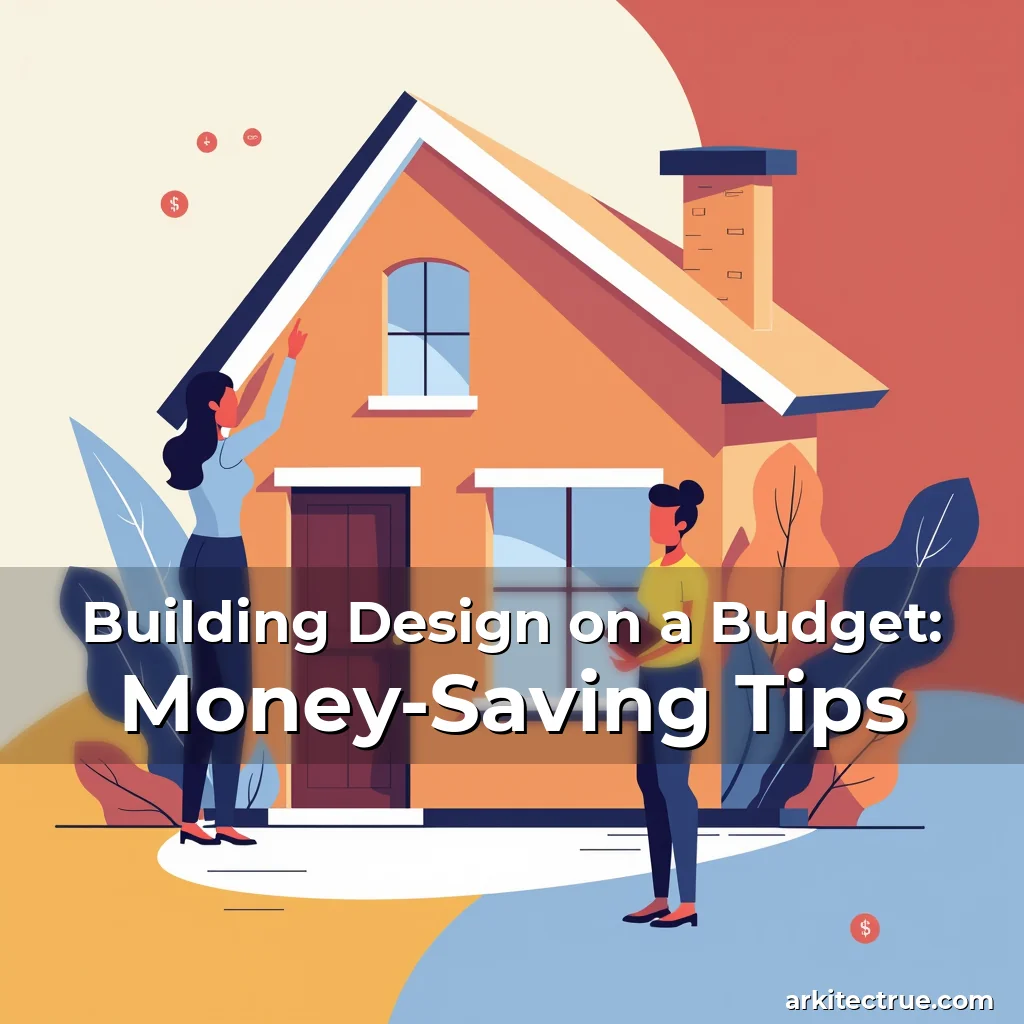
Designing Spaces That Inspire: The Art and Science of Modern Building Design
In an era where functionality meets aesthetics, building design has evolved into a complex discipline that blends creativity with technical precision. Architects today are tasked not only with creating visually striking structures but also ensuring they meet sustainability goals, adapt to technological advancements, and cater to diverse user needs.
This intricate balance between form and function defines modern architecture. As we explore the fundamentals of building design, we’ll uncover how professionals approach challenges ranging from material selection to spatial organization, all while keeping budgets and environmental impact in check.
The Foundations of Architectural Thought
Every great building begins with a clear vision rooted in understanding site conditions and client requirements. Architects must analyze topography, climate patterns, local regulations, and cultural context before sketching their first concept.
A thorough site analysis informs decisions about orientation, natural light utilization, and structural integrity. For instance, buildings in coastal areas require special consideration regarding wind resistance and moisture control.
Client expectations play a crucial role in shaping architectural outcomes. Whether designing residential homes or commercial complexes, architects translate abstract desires into tangible blueprints through meticulous documentation processes.
- Sustainable materials: Choosing locally sourced timber or recycled steel reduces carbon footprint without compromising quality
- Eco-friendly technologies: Integrating solar panels or geothermal heating systems enhances energy efficiency across different climates
By prioritizing these principles early on, designers can create spaces that harmonize with both environment and human experience.
Bridging Aesthetics and Functionality
Modern architecture celebrates bold forms while maintaining practicality. Innovations such as parametric modeling allow creators to experiment freely within engineering constraints.
Materials now serve dual purposes – aesthetic appeal combined with performance characteristics. Glass facades provide stunning views while allowing passive solar gain during winter months.
Interior layouts reflect changing lifestyles; open-plan designs promote collaboration whereas private zones ensure personal space remains intact.
Making Space Work Smarter
Smart home technology integration is transforming traditional interiors. Automated lighting controls adjust brightness based on occupancy sensors, significantly reducing electricity consumption.
Data analytics helps optimize floor plans by identifying high traffic areas versus underutilized corners. This information guides furniture placement and infrastructure planning.
In multifamily developments, shared amenities like co-working spaces or rooftop gardens maximize utility without increasing square footage demands.
These innovations demonstrate how thoughtful design choices enhance livability without sacrificing visual appeal.
Crafting Spatial Harmony Through Proportion
Proportional relationships define successful architecture. Golden ratio applications help achieve visually pleasing dimensions across various scales.
Hierarchical spatial arrangements guide movement through built environments. Larger volumes signal importance while smaller rooms create intimacy – a principle used extensively in museums and libraries.
Vaulted ceilings elevate perception of height whereas low-profile structures foster groundedness – each choice affects psychological response differently.
Material texture contrasts contribute to dimensional depth. Combining smooth concrete surfaces with rough-hewn stone creates dynamic visual interest.
Such deliberate attention to scale establishes cohesive narratives within architectural compositions.
Pioneering Sustainable Practices
Green building initiatives have redefined industry standards globally. Certifications like LEED encourage environmentally responsible construction methods at every stage.
Passive design strategies minimize reliance on mechanical systems by leveraging natural elements effectively. Proper insulation paired with strategic window placement optimizes thermal comfort year-round.
Water conservation techniques include rainwater harvesting systems and drought-resistant landscaping approaches tailored to regional ecosystems.
Energy-efficient appliances coupled with smart grid connectivity enable real-time resource monitoring and optimization.
Collectively, these measures reduce operational costs while promoting ecological stewardship among occupants.
Embracing Technological Advancements
Digital tools revolutionize contemporary practice. BIM software allows teams to visualize entire projects in three-dimensional models long before break ground occurs.
Virtual reality simulations offer immersive walkthroughs helping identify potential issues prior to actual construction phases.
AI-powered algorithms assist in optimizing structural calculations faster than conventional manual methods ever could.
Robotics are being deployed for precise prefabrication tasks improving accuracy while decreasing labor hours required for assembly operations.
Such progress ensures safer workplaces and more predictable project timelines.
Fostering Inclusive Environments
Universal design principles ensure accessibility for individuals with varying abilities. Ramps instead of stairs facilitate easier navigation throughout public spaces.
Adjustable workstations accommodate people of differing heights comfortably. Sensory considerations incorporate appropriate lighting levels and noise reduction features essential for those with sensory sensitivities.
Wayfinding systems using tactile markers benefit visually impaired users while color-coded signage aids cognitive development disorders.
Flexible interior configurations allow venues to adapt easily to changing usage scenarios without major renovations.
Creating inclusive architectures benefits everyone regardless of physical capabilities or life circumstances.
Preserving Heritage While Embracing Innovation
Historic preservation efforts maintain cultural continuity alongside modernization pursuits. Adaptive reuse transforms old industrial sites into vibrant mixed-use neighborhoods.
Traditional craftsmanship often inspires new methodologies when integrated with current fabrication technologies. Hand-carved woodwork finds renewed relevance through CNC machining processes.
Restoration projects carefully document original construction techniques to inform future interventions accurately.
Contextual sensitivity dictates whether new additions complement existing fabric or stand independently yet respectfully within urban landscapes.
This careful balancing act honors legacy while embracing progress simultaneously.
The Future of Intelligent Architecture
Rising demand for adaptive buildings necessitates forward-thinking solutions. Self-regulating facades respond dynamically to external weather conditions adjusting shading automatically.
Nanotechnology enables self-cleaning surfaces eliminating routine maintenance expenses associated with traditional cladding options.
Modular construction methods accelerate delivery schedules dramatically compared to conventional build sequences relying heavily upon sequential trades.
Biophilic design concepts integrate nature indoors enhancing occupant well-being through increased exposure to organic elements.
As our world continues evolving rapidly, so too must architectural practices evolve responsively rather than reactively.
Conclusion
The field of building design encompasses numerous interconnected disciplines requiring constant innovation and adaptation. From initial concept visualization to final implementation stages, each phase presents unique challenges demanding specialized knowledge sets.
Successful architectural endeavors result from collaborative teamwork blending artistic vision with scientific rigor. By staying informed about emerging trends and best practices, professionals continue pushing boundaries toward more sustainable, functional, and beautiful built environments worldwide.
“` “`html
Designing Spaces That Inspire: The Art and Science of Modern Building Design
In an era where functionality meets aesthetics, building design has evolved into a complex discipline that blends creativity with technical precision. Architects today are tasked not only with creating visually striking structures but also ensuring they meet sustainability goals, adapt to technological advancements, and cater to diverse user needs.
This intricate balance between form and function defines modern architecture. As we explore the fundamentals of building design, we’ll uncover how professionals approach challenges ranging from material selection to spatial organization, all while keeping budgets and environmental impact in check.
The Foundations of Architectural Thought
Every great building begins with a clear vision rooted in understanding site conditions and client requirements. Architects must analyze topography, climate patterns, local regulations, and cultural context before sketching their first concept.
A thorough site analysis informs decisions about orientation, natural light utilization, and structural integrity. For instance, buildings in coastal areas require special consideration regarding wind resistance and moisture control.
Client expectations play a crucial role in shaping architectural outcomes. Whether designing residential homes or commercial complexes, architects translate abstract desires into tangible blueprints through meticulous documentation processes.
- Sustainable materials: Choosing locally sourced timber or recycled steel reduces carbon footprint without compromising quality
- Eco-friendly technologies: Integrating solar panels or geothermal heating systems enhances energy efficiency across different climates
By prioritizing these principles early on, designers can create spaces that harmonize with both environment and human experience.
Bridging Aesthetics and Functionality
Modern architecture celebrates bold forms while maintaining practicality. Innovations such as parametric modeling allow creators to experiment freely within engineering constraints.
Materials now serve dual purposes – aesthetic appeal combined with performance characteristics. Glass facades provide stunning views while allowing passive solar gain during winter months.
Interior layouts reflect changing lifestyles; open-plan designs promote collaboration whereas private zones ensure personal space remains intact.
Making Space Work Smarter
Smart home technology integration is transforming traditional interiors. Automated lighting controls adjust brightness based on occupancy sensors, significantly reducing electricity consumption.
Data analytics helps optimize floor plans by identifying high traffic areas versus underutilized corners. This information guides furniture placement and infrastructure planning.
In multifamily developments, shared amenities like co-working spaces or rooftop gardens maximize utility without increasing square footage demands.
These innovations demonstrate how thoughtful design choices enhance livability without sacrificing visual appeal.
Crafting Spatial Harmony Through Proportion
Proportional relationships define successful architecture. Golden ratio applications help achieve visually pleasing dimensions across various scales.
Hierarchical spatial arrangements guide movement through built environments. Larger volumes signal importance while smaller rooms create intimacy – a principle used extensively in museums and libraries.
Vaulted ceilings elevate perception of height whereas low-profile structures foster groundedness – each choice affects psychological response differently.
Material texture contrasts contribute to dimensional depth. Combining smooth concrete surfaces with rough-hewn stone creates dynamic visual interest.
Such deliberate attention to scale establishes cohesive narratives within architectural compositions.
Pioneering Sustainable Practices
Green building initiatives have redefined industry standards globally. Certifications like LEED encourage environmentally responsible construction methods at every stage.
Passive design strategies minimize reliance on mechanical systems by leveraging natural elements effectively. Proper insulation paired with strategic window placement optimizes thermal comfort year-round.
Water conservation techniques include rainwater harvesting systems and drought-resistant landscaping approaches tailored to regional ecosystems.
Energy-efficient appliances coupled with smart grid connectivity enable real-time resource monitoring and optimization.
Collectively, these measures reduce operational costs while promoting ecological stewardship among occupants.
Embracing Technological Advancements
Digital tools revolutionize contemporary practice. BIM software allows teams to visualize entire projects in three-dimensional models long before break ground occurs.
Virtual reality simulations offer immersive walkthroughs helping identify potential issues prior to actual construction phases.
AI-powered algorithms assist in optimizing structural calculations faster than conventional manual methods ever could.
Robotics are being deployed for precise prefabrication tasks improving accuracy while decreasing labor hours required for assembly operations.
Such progress ensures safer workplaces and more predictable project timelines.
Fostering Inclusive Environments
Universal design principles ensure accessibility for individuals with varying abilities. Ramps instead of stairs facilitate easier navigation throughout public spaces.
Adjustable workstations accommodate people of differing heights comfortably. Sensory considerations incorporate appropriate lighting levels and noise reduction features essential for those with sensory sensitivities.
Wayfinding systems using tactile markers benefit visually impaired users while color-coded signage aids cognitive development disorders.
Flexible interior configurations allow venues to adapt easily to changing usage scenarios without major renovations.
Creating inclusive architectures benefits everyone regardless of physical capabilities or life circumstances.
Preserving Heritage While Embracing Innovation
Historic preservation efforts maintain cultural continuity alongside modernization pursuits. Adaptive reuse transforms old industrial sites into vibrant mixed-use neighborhoods.
Traditional craftsmanship often inspires new methodologies when integrated with current fabrication technologies. Hand-carved woodwork finds renewed relevance through CNC machining processes.
Restoration projects carefully document original construction techniques to inform future interventions accurately.
Contextual sensitivity dictates whether new additions complement existing fabric or stand independently yet respectfully within urban landscapes.
This careful balancing act honors legacy while embracing progress simultaneously.
The Future of Intelligent Architecture
Rising demand for adaptive buildings necessitates forward-thinking solutions. Self-regulating facades respond dynamically to external weather conditions adjusting shading automatically.
Nanotechnology enables self-cleaning surfaces eliminating routine maintenance expenses associated with traditional cladding options.
Modular construction methods accelerate delivery schedules dramatically compared to conventional build sequences relying heavily upon sequential trades.
Biophilic design concepts integrate nature indoors enhancing occupant well-being through increased exposure to organic elements.
As our world continues evolving rapidly, so too must architectural practices evolve responsively rather than reactively.
Conclusion
The field of building design encompasses numerous interconnected disciplines requiring constant innovation and adaptation. From initial concept visualization to final implementation stages, each phase presents unique challenges demanding specialized knowledge sets.
Successful architectural endeavors result from collaborative teamwork blending artistic vision with scientific rigor. By staying informed about emerging trends and best practices, professionals continue pushing boundaries toward more sustainable, functional, and beautiful built environments worldwide.
“`


news is a contributor at ArkitecTRUE. We are committed to providing well-researched, accurate, and valuable content to our readers.
You May Also Like

Professional Building Design: Advanced Techniques
Professional Building Design: Advanced Techniques In an era where architectural innovation drives both functionality and aesthetic appeal, mastering advanced building...
Building Design Step-by-Step Tutorial
The Art and Science of Building Design: A Comprehensive Exploration In an era where architecture is both a functional necessity...

Farmer Seeks Planning Permission For Richards Castle Barn Conversion!
The application is for a building that will be used for storing farm equipment, tools, and other agricultural supplies. A...

Farmers Forge Future With Diy Building Solutions!
3D Studio is available on the web and mobile devices, making it accessible to farmers who may not have access...