


The Evolution and Innovation of Modern Building Materials: A Deep Dive into Architectural Foundations
In an era where sustainability meets technological advancement, the realm of building materials has undergone a profound transformation. From ancient stone structures that have stood the test of time to cutting-edge composites designed for energy efficiency, architects and builders are now navigating a landscape rich with innovation.
This exploration delves into the intricate world of modern construction materials, highlighting their properties, applications, and environmental impacts. By understanding these materials, professionals can make informed decisions that shape the future of architecture.
The Historical Context of Building Materials
The history of building materials is as old as civilization itself. Early humans relied on natural resources such as wood, clay, and stone to construct shelters and communal spaces. These materials were chosen based on availability and local climate conditions.
As societies evolved, so did their building techniques. The development of brick-making processes during ancient Mesopotamia marked a significant milestone, enabling the creation of durable structures that could withstand harsh weather conditions.
During the Roman Empire, innovations like concrete revolutionized construction practices. This material allowed for the creation of monumental buildings, including aqueducts and amphitheaters, which showcased engineering prowess and architectural beauty.
- Natural Stone: Used extensively in ancient constructions due to its strength and durability. It was often quarried locally, reducing transportation costs and environmental impact.
- Adobe Bricks: Made from earth and straw, adobe bricks provided insulation against extreme temperatures, making them ideal for regions with hot climates.
Modern Innovations in Construction Materials
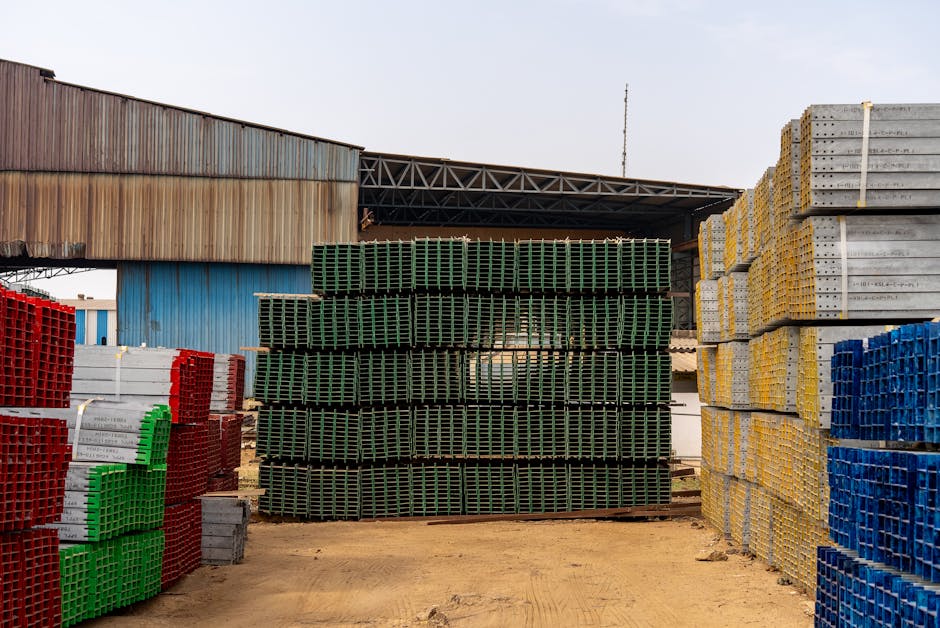
Todays construction industry benefits from a plethora of innovative materials developed through advanced research and technology. Among these, steel stands out for its high tensile strength and versatility in structural design.
Steel frames allow for larger open spaces within buildings while maintaining safety standards. This feature makes it particularly popular in commercial developments and skyscrapers.
Moreover, the integration of prefabricated components has streamlined construction timelines significantly. Prefab elements reduce labor hours and minimize waste at construction sites, contributing positively towards sustainable building goals.
Sustainable Alternatives Gaining Popularity
With growing concerns over environmental degradation, there’s been a surge in interest around eco-friendly alternatives. Recycled steel not only reduces landfill usage but also requires less energy compared to producing new metal from raw ore.
Biomass-based materials such as hempcrete offer exceptional thermal performance without compromising aesthetics. They sequester carbon dioxide during production, thereby helping mitigate greenhouse gas emissions associated with traditional manufacturing methods.
Eco-Friendly Materials Revolutionizing Architecture
Achieving sustainability in architecture involves selecting environmentally responsible materials that minimize ecological footprints. Bamboo, known for its rapid growth rate and remarkable strength-to-weight ratio, has emerged as a preferred choice among green architects worldwide.
Additionally, reclaimed timber provides both aesthetic appeal and functional utility by repurposing existing wood stocks rather than harvesting fresh ones. This practice supports forest conservation efforts while adding character to contemporary designs.
Case Studies Highlighting Success Stories
The Green School in Bali exemplifies how bamboo can be utilized effectively in educational infrastructure projects. Its curriculum integrates nature-oriented learning environments built entirely using sustainably sourced bamboo.
Similarly, the Bullitt Center in Seattle showcases passive solar heating combined with rainwater collection systems—all constructed primarily with recycled aluminum and other low-impact materials—demonstrating what’s possible when prioritizing sustainability alongside functionality.
Smart Materials Enhancing Structural Performance
Recent advancements have led to the emergence of smart materials capable of adapting to changing environmental conditions automatically. Shape memory alloys respond dynamically to temperature fluctuations, allowing for self-adjusting facades or adaptive shading solutions.
Ferroelectric ceramics exhibit piezoelectric properties; they generate electricity upon mechanical stress application—a characteristic useful for powering sensors embedded within smart buildings aimed at optimizing resource consumption efficiently.
These intelligent responses contribute greatly toward creating resilient infrastructures better equipped against unpredictable climatic events commonly faced today across various geographical locations globally.
The Role of Composite Materials in Contemporary Design
Composite materials represent another frontier in modern architectural expression. Comprising two distinct substances—one acting as reinforcement while the other serves as matrix—they yield products possessing superior physical characteristics beyond those achievable individually.
Fiberglass-reinforced polymer (FRP), for instance, combines glass fibers encased in plastic resins resulting in lightweight yet incredibly strong panels suitable even under heavy load scenarios typical within industrial settings.
CARBON FIBER COMPOSITES further enhance structural integrity without sacrificing weight considerations crucially important especially regarding aerospace applications where every gram matters immensely concerning fuel economy aspects.
Choosing the Right Material Based on Project Requirements
Selecting appropriate construction materials depends largely on several factors including budget constraints, desired longevity period, geographic location specifics, and intended usage patterns post-completion phase.
For residential housing projects aiming long-term stability along coastal areas prone frequent storms might prioritize corrosion-resistant metals over conventional choices susceptible rust formation issues after prolonged exposure moisture laden air.
Conversely, interior finish selections may lean heavily towards esthetically pleasing options offering comfort enhancement features such as acoustic treatments found naturally occurring minerals like gypsum board used widely ceiling installations providing sound absorption qualities beneficial multi-family dwellings requiring noise reduction measures between units.
Emerging Trends Shaping Future Developments
The ongoing digitalization wave impacting nearly every sector inevitably influences trends emerging within construction fields too. Technologies facilitating real-time monitoring capabilities enable precise control over material behaviors ensuring optimal utilization rates minimizing unnecessary expenditures related excess inventory management challenges otherwise encountered manually operated systems.
Furthermore, AI-driven analytics assist designers predict potential failures early stages thus preventing costly repairs later down line enhancing overall project lifespans considerably above average benchmarks established previously through conventional approaches alone.
Such forward-thinking implementations pave pathways leading towards smarter cities characterized seamless integrations among diverse infrastructural networks ultimately fostering livable ecosystems conducive human habitation thriving amidst ever-evolving urban landscapes continuously expanding horizons possibilities ahead.
Conclusion
The journey through the evolution of building materials reveals a narrative steeped in innovation driven by necessity and progress. As we stand at this pivotal moment defined increasingly by climate change realities facing planet Earth collectively, embracing sustainable alternatives becomes imperative task confronting global community united purpose safeguarding our shared home for generations yet unborn.
By integrating knowledge gained herein coupled with continuous pursuit excellence guided ethical principles respecting natural resources available us, architects engineers alike possess tools necessary crafting tomorrow’s built environment reflecting harmony balance achieved through mindful selection strategic deployment premier quality materials meeting highest standards performance reliability enduring legacy worth celebrating admired years ahead.


news is a contributor at ArkitecTRUE. We are committed to providing well-researched, accurate, and valuable content to our readers.
You May Also Like


Intermediate Staff Architect Culver City CA US Jobs
The Intermediate Staff Architect will be responsible for the following tasks:Key ResponsibilitiesAssist in the design and production of architectural documentsCollaborate...
The Evolution and Innovation of Building Materials in Modern Architecture
The Evolution and Innovation of Building Materials in Modern Architecture In an era where sustainability and technological advancement define architectural...


Aerial Construction Robots: The Future of Building and Repair
The construction industry is on the cusp of a revolution with the advent of aerial robots that can be used...