


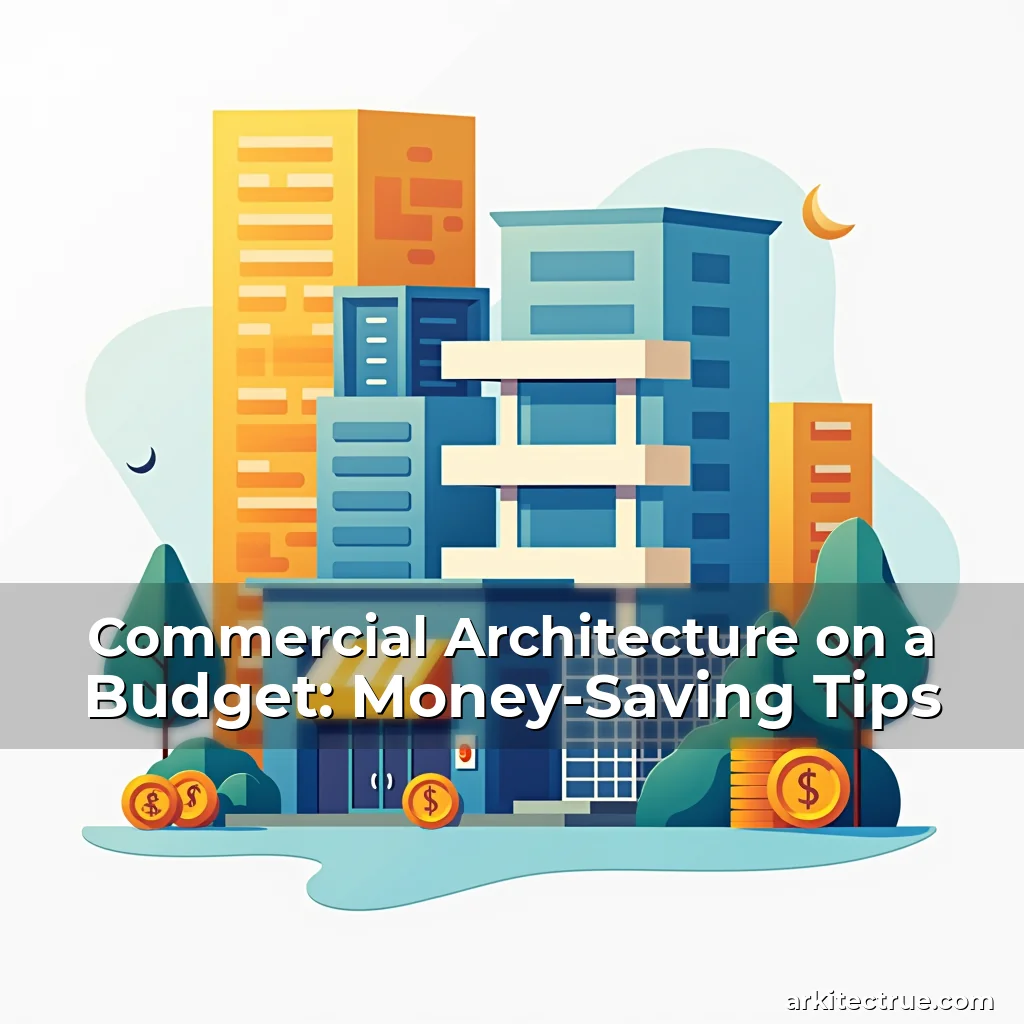
Commercial Architecture on a Budget: Money-Saving Tips
In today’s competitive real estate market, businesses seeking commercial spaces often face pressure to balance affordability with functional design. Commercial architecture isn’t limited to luxury projects—it offers creative solutions that maximize utility while minimizing expenses.
Strategic planning during early stages of construction ensures better resource allocation and avoids costly redesigns later. This guide explores practical approaches to achieving high-quality commercial interiors without overspending.
The Power of Material Selection
Choosing appropriate building materials significantly impacts overall project budgets. Cost-effective options exist across various categories—from flooring to structural elements—that maintain durability and visual appeal.
Engineered wood composites provide a viable alternative to solid timber at lower prices while offering similar strength characteristics. Recycled steel framing reduces both material and transportation costs compared to traditional methods.
- Composite panels: These offer excellent insulation properties along with aesthetic flexibility suitable for diverse architectural styles.
- Laminate finishes: High-performance laminates mimic expensive surface treatments but require less maintenance over their lifespan.
- Ceramic tiles: Durable yet economical choice for commercial bathrooms and high-traffic zones requiring frequent cleaning.
- Prefabricated components: Factory-manufactured parts reduce labor costs associated with custom fabrication processes.
Modular Construction Strategies
Adopting modular construction techniques streamlines operations and lowers overhead expenditures substantially. Prefabricated modules enable faster assembly timelines than conventional site-built structures.
This approach minimizes disruptions caused by prolonged construction periods, allowing business occupants to resume operations sooner after completion. Additionally, standardized module production reduces material waste during manufacturing phases.
Sustainability Integration
Modern modular units frequently incorporate green technologies such as solar panel integration and rainwater harvesting systems. These features not only cut operating costs but also enhance environmental performance metrics crucial for certification programs like LEED.
A recent industry report indicated that 68% of companies using modular methods achieved higher energy efficiency ratings compared to traditionally constructed buildings. Incorporating smart lighting controls further amplifies these benefits through automated power management.
Leveraging Local Contractor Networks
Engaging regional subcontractors instead of national firms typically results in more favorable pricing arrangements. Local builders possess intimate knowledge of municipal regulations which prevents unexpected compliance-related delays.
Established relationships with nearby vendors translate to negotiated discounts on bulk purchases of construction supplies. Utilizing online platforms dedicated to connecting clients with vetted professionals expands access to qualified workforce pools efficiently.
Phased Development Planning
Breaking down large-scale developments into sequential phases spreads out initial capital investments evenly over extended timelines. This method allows owners to monitor progress closely before committing additional funds toward subsequent stages.
Phase-based execution enables targeted improvements based on evolving business requirements rather than assuming static future needs upfront. It facilitates adjustments according to shifting economic conditions or technological advancements post-construction commencement.
Smart Design Optimization Techniques
Utilizing digital modeling tools enhances spatial planning accuracy which prevents rework necessitating extra expenditures. Software simulations help identify potential issues affecting flow patterns or load distribution prior to physical implementation.
Optimizing natural light exposure through strategic window placements reduces reliance on artificial illumination systems—an average 30% decrease in electricity consumption reported among optimized office designs.
- Ventilation layout analysis: Proper placement of air vents improves indoor climate control reducing HVAC system strain.
- Ergonomic workspace layouts: Thoughtful furniture arrangement boosts productivity levels while decreasing employee turnover rates linked to poor working environments.
- Multi-functional room designs: Configuring flexible spaces serves dual purposes thus eliminating need for separate facilities increasing square footage utilization efficiency.
- Built-in storage solutions: Integrated shelving eliminates clutter improving navigation ease within confined workspaces.
Tech Innovations Driving Efficiency Gains
Integrating advanced automation systems into new constructions delivers long-term savings via improved asset tracking capabilities and predictive maintenance alerts. IoT-enabled sensors monitor equipment health status proactively identifying wear indicators before failures occur.
Cloud-based project management software coordinates tasks across multidisciplinary teams ensuring timely delivery of milestones aligned with financial projections. Real-time analytics dashboards reveal cost variances enabling immediate corrective actions when discrepancies arise.
Digital Twin Technology Applications
Create virtual replicas of physical assets using digital twin technology for continuous monitoring of building performance parameters. This simulation aids in forecasting potential deterioration trends allowing preemptive interventions that avoid emergency repairs costing up to four times more than routine servicing.
Analyzed data from twins helps refine building operation protocols optimizing resource allocation decisions based on empirical evidence rather than speculative assumptions commonly used in traditional management practices.
Maintenance Cost Reduction Approaches
Implementing proactive upkeep schedules extends infrastructure lifecycle durations preventing premature replacement demands. Regular inspections detect minor defects that could escalate into costly repair scenarios otherwise overlooked until severe damage manifests visibly.
Investing in durable surfaces and corrosion-resistant coatings initially increases upfront expenditures however dramatically reduces recurring maintenance bills associated with frequent repainting or surface restoration efforts.
Community Engagement Benefits
Fostering positive neighborhood relations through community-oriented facility designs fosters goodwill enhancing property values indirectly. Amenities benefiting surrounding residents increase foot traffic promoting organic growth opportunities for businesses located within proximity.
Collaborative initiatives involving local stakeholders lead to shared ownership experiences cultivating loyalty towards developed areas translating into sustained occupancy rates and stable rental income streams over decades.
Case Studies Demonstrating Success
Examining successful low-cost commercial ventures reveals consistent themes centered around meticulous planning and innovative application of available resources. One notable example involved converting an old warehouse into modern co-working space through adaptive reuse principles without complete demolition.
This transformation retained original structural framework preserving historical integrity while inserting contemporary interior elements meeting current occupational standards. The final outcome achieved substantial space expansion at fraction of reconstruction costs usually required for ground-up builds.
Similarly, another case highlighted efficient usage of vertical space through multi-tiered retail setups accommodating diverse tenant mix under single roof. Shared common areas promoted social interactions encouraging spontaneous commerce boosting revenue generation beyond individual store contributions alone.
Future Trends Influencing Costs
Emerging trends predict continued emphasis on environmentally conscious design methodologies shaping upcoming commercial building paradigms globally. Increasing regulatory pressures mandate adherence to stricter emissions standards forcing reconsideration of traditional construction practices deemed obsolete due to inefficiencies.
Rapid advancement in AI algorithms now predicts precise demand fluctuations assisting developers accurately gauge optimal development scales avoiding either undersupply situations leading to unmet needs or oversaturation causing excessive competition diluting profit margins.
Conclusion
Commercial architecture tailored to fiscal constraints demonstrates remarkable capacity for innovation without sacrificing core functionalities essential to successful operations. By employing calculated decision-making grounded in thorough research and experimentation we unlock pathways previously considered inaccessible due perceived limitations imposed by budgetary restrictions.
Embracing adaptable frameworks responsive to dynamic market forces ensures ongoing relevance against backdrop of ever-changing economic landscapes. Continuous evaluation and refinement of implemented strategies guarantees alignment between architectural ambitions and achievable outcomes within defined financial boundaries.


news is a contributor at ArkitecTRUE. We are committed to providing well-researched, accurate, and valuable content to our readers.
You May Also Like

Commercial Architecture Step-by-Step Tutorial
Key Considerations During Planning Phase Successful commercial ventures begin with meticulous site analysis and feasibility studies. Factors ranging from soil...
Quick Commercial Architecture Solutions Under 30 Minutes
Quick Commercial Architecture Solutions Under 30 Minutes In today's fast-paced business environment, commercial architecture has evolved from mere structural design...
Commercial Architecture: Essential Tools and Resources
Commercial Architecture: Essential Tools and Resources In an era defined by rapid technological advancements and evolving consumer behaviors, commercial architecture...
Fundamental Principles of Commercial Architecture
The Artistry and Science Behind Commercial Architecture: Designing Spaces That Drive Business Success In an era where first impressions matter...