


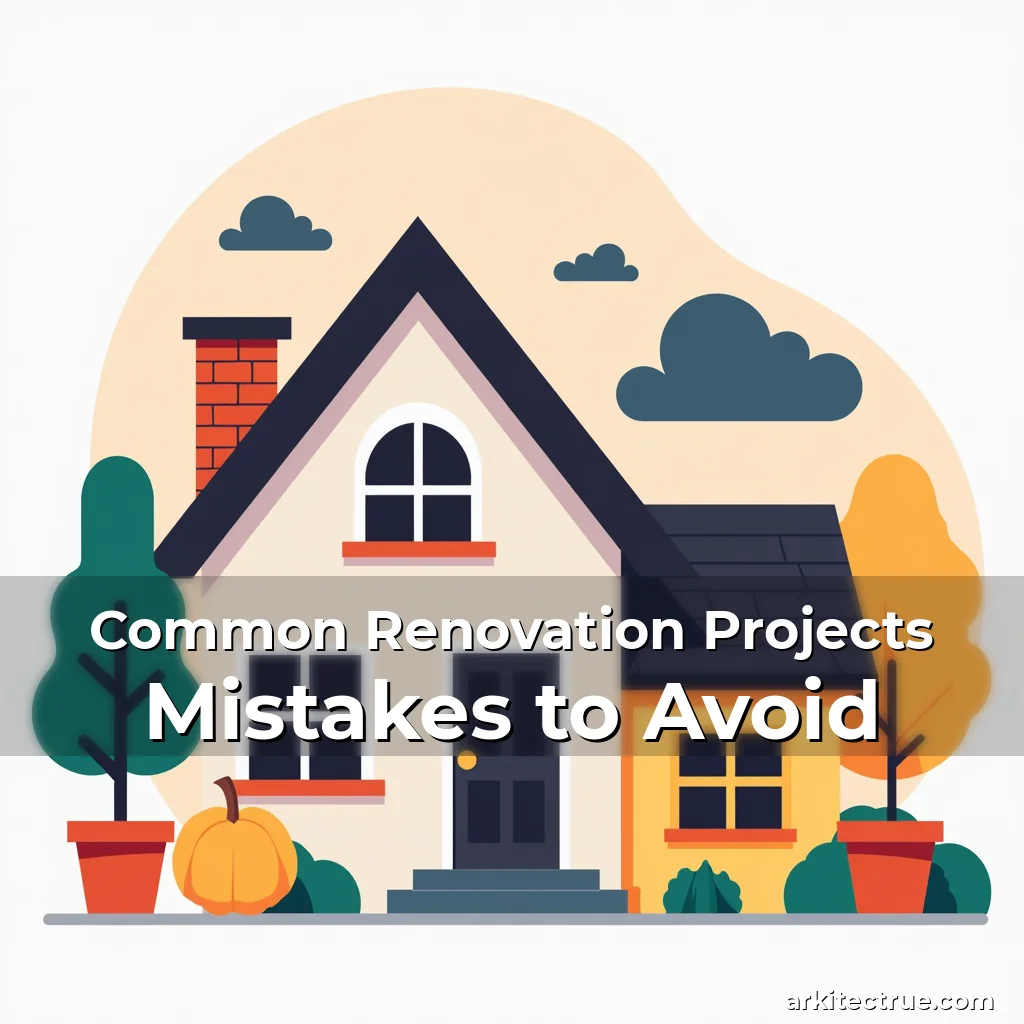
Common Renovation Projects Mistakes to Avoid
Renovation projects can transform your living space but often come with unforeseen challenges. Many homeowners underestimate the complexity involved and end up facing costly delays and unexpected issues.
The key to successful renovations lies in careful planning, expert consultation, and realistic expectations. Understanding common pitfalls will help you avoid expensive mistakes that could derail your project.
Inadequate Planning and Research
One of the most significant errors in renovation projects is rushing into work without thorough research. This oversight leads to poor design choices and budget overruns.
Adequate planning involves researching current trends, understanding material costs, and evaluating structural requirements. Skipping these steps risks creating spaces that don’t meet practical needs.
- Lack of blueprint: Without clear plans, contractors may misinterpret designs leading to rework and increased expenses.
- No budget contingency: Unexpected costs such as hidden mold or outdated wiring can quickly deplete funds if not accounted for.
Professional architects and designers emphasize the importance of preliminary studies before starting any physical changes. Their expertise ensures alignment between vision and feasibility.
Misjudging Project Scope
Misestimating how much work is required often results in incomplete renovations or excessive spending. Underestimating labor hours and material quantities is particularly problematic.
Crafting a detailed scope includes defining every task from demolition to final touches. Missing even minor elements might require additional time later which affects timelines negatively.
To prevent scope creep, clearly outline objectives with stakeholders early in the process. Regular reviews ensure everyone remains aligned throughout execution phases.
Consultation with experienced professionals helps identify potential complications upfront rather than discovering them mid-project when they are harder—and costlier—to fix.
Failing to Involve Professionals Early On
Attempting DIY solutions without consulting experts can lead to severe consequences including safety hazards and legal issues. Structural modifications must be handled by qualified individuals.
Architects provide essential guidance regarding zoning laws, building codes compliance, and optimal use of available square footage. Ignoring their input increases risk significantly.
Hiring licensed contractors guarantees adherence to local regulations while reducing chances of future disputes during inspections or insurance claims processes.
Budget considerations aside, involving specialists early reduces long-term maintenance burdens associated with improper installation techniques or substandard materials usage.
Ignoring Permits and Regulations
Many renovators overlook necessary permits which result in fines or forced removals of completed works. Legal repercussions vary depending upon jurisdiction specifics.
Gaining approval through appropriate channels protects against financial loss due to non-compliance penalties. It also facilitates smoother interactions with municipal authorities during inspections.
Engaging knowledgeable advisors simplifies navigating bureaucratic procedures efficiently without compromising quality standards expected within professional circles.
Detailed documentation supporting permit applications proves invaluable especially when dealing with complex alterations affecting load-bearing walls or electrical systems.
Overlooking Utility Line Locations
Failing to locate utility lines prior to excavation causes damage that disrupts services temporarily or permanently. Such incidents delay progress substantially increasing overall project duration.
Utilities include water pipes, gas lines, sewage drains, telephone cables among others requiring precise mapping before digging begins anywhere near existing infrastructure.
Using ground-penetrating radar technology enables accurate identification minimizing guesswork related to underground networks present beneath residential properties.
Precautionary measures like hiring certified locators guarantee safe access points avoiding dangerous situations altogether where uncontrolled ruptures pose serious threats beyond mere inconvenience.
Choosing Inappropriate Materials
Selecting unsuitable construction supplies based solely on aesthetics instead of durability compromises both functionality and longevity of renovated areas.
Materials used need withstand regular wear-and-tear especially high traffic zones like entryways or kitchens. Cheap alternatives frequently fail sooner requiring premature replacements adding further expense.
Eco-friendly options offer sustainable benefits yet sometimes lack sufficient strength unless properly engineered for intended purposes; hence balance matters critically here too.
Seek recommendations from trusted sources who have successfully implemented similar upgrades under comparable conditions ensuring informed decisions align closely with real-world performance metrics.
Neglecting Proper Ventilation During Remodeling
Insufficient air circulation creates unhealthy environments promoting mold growth and respiratory problems among occupants exposed continuously inside affected rooms.
Ventilating effectively requires strategic placement of exhaust fans alongside natural light sources wherever possible improving indoor climate control irrespective external weather fluctuations.
Experts recommend installing at least one ventilation unit per bathroom plus additional ones according to room size guidelines established industry-wide standards.
Regular cleaning schedules maintain operational efficiency preventing buildup obstructing airflow pathways crucially impacting system effectiveness overtime.
Disregarding Electrical System Upgrades
Outdated power setups cannot support modern appliances necessitating immediate improvements post-renovations otherwise risking overheating dangers potentially causing fires.
Upgrading circuits appropriately handles higher loads safely distributing electricity evenly across newly added fixtures without exceeding capacity limits inherently built-in protections mechanisms.
Working exclusively with certified electricians minimizes electrocution hazards ensuring all connections comply strictly with national safety protocols applicable nationwide jurisdictions alike.
Smart home technologies demand specialized installations beyond standard configurations making pre-planning mandatory rather than optional consideration anymore today.
Underestimating Time Requirements
Unexpected setbacks prolong completion dates frustrating those eager anticipating move-ins after lengthy disruptions caused primarily because of miscalculated durations allocated initially planned stages.
Scheduling buffer periods accommodates inevitable interruptions whether awaiting deliveries or resolving conflicts arising unexpectedly amongst team members engaged active roles contributing towards achieving shared goals simultaneously.
Transparent communication channels foster collaboration enabling timely adjustments whenever circumstances change unpredictably threatening original timetables set forth originally proposed blueprints.
Utilizing digital tools assists tracking milestones visually representing progress percentages facilitating quick assessments determining whether delays exist warranting interventions promptly addressing root causes identified early enough.
Not Considering Future Needs
Designing spaces purely for present demands neglects evolving lifestyles possibly rendering investments obsolete prematurely diminishing return rates compared alternative approaches focusing forward-thinking strategies.
Flexibility features allow easy adaptation accommodating growing families expanding businesses or shifting personal interests seamlessly transitioning layouts accordingly without needing full-scale reconstructions periodically revisiting initial frameworks entirely from scratch each subsequent occasion.
Incorporating multi-functional furniture pieces maximizes spatial efficiencies meeting diverse user preferences regardless varying activity levels encountered daily routines.
Longevity aspects become paramount considering depreciation factors influencing resale values ultimately deciding profitability outcomes tied closely together intertwined relationships shaping marketability prospects considerably affected significantly thereby.
Failure To Secure Adequate Insurance Coverage
Insurance gaps leave property owners vulnerable financially when accidents occur damaging structures irreparably costing far more than anticipated savings derived initially supposed cost-cutting initiatives pursued hastily disregarding precautionary safeguards deemed unnecessary conveniently overlooked easily dismissed priorities ranked lower relative other pressing concerns demanding immediate attention now rather waiting until crisis moments arrive suddenly catching off guard preparedness lacking completely.
Policies covering liability exposures protect against lawsuits stemming from injuries sustained onsite attributed directly indirectly actions taken during execution phases potentially triggering legal battles draining resources unnecessarily burdening already strained budgets severely limiting ability recover fully losses incurred along journey undertaken ambitious endeavors pursuing transformative visions through concrete implementations realizing dreams physically manifested realities inhabitable dwellings functional ecosystems thriving harmoniously coexisting inhabitants enjoying enhanced qualities life offered consistently reliably without interruption disturbances.
Reviewing coverage annually updates insurances reflecting new developments incorporated since last evaluation ensuring continued protection matches updated scenarios accurately portraying actual risks faced currently prevailing conditions prevalent geographical regions inhabited residing locations subjected unique environmental variables differing dramatically place-to-place variations affecting susceptibility degrees exposure levels fluctuating dynamically according changing seasons cyclical patterns repeating annually predictable manner.
Adding riders tailored specifically address particular vulnerabilities enhances security posture providing peace mind knowing robust defenses erected proactively mitigating catastrophic events likely occurring randomly anytime despite best efforts maintained vigilance exercised meticulously throughout entire lifecycle involvement participation engagement immersion dedication invested wholeheartedly pursuit excellence achieved mastery attained proficiency cultivated skillsets honed sharpened refined polished perfected executed flawlessly seamlessly effortlessly naturally intuitively effortlessly.
Conclusion
Successful renovation projects hinge on meticulous preparation combined proactive problem-solving attitudes embracing learning curves inherent processes involved transforming ideas tangible forms.
By steering clear known obstacles documented historically repeatedly observed consistently recurring patterns emerge identifying red flags warning signals cautioning approaching carefully evaluating cautiously assessing thoughtfully deliberating wisely selecting judiciously executing precisely delivering outstanding results satisfying desires exceeding expectations surpassing benchmarks setting new standards excellence becoming role models inspiring peers following suit adopting similar methodologies achieving analogous successes replicating proven formulas applying universally adaptable principles beneficial broad spectrum audiences regardless backgrounds experiences histories aspirations.
“` “`
Common Renovation Projects Mistakes to Avoid
Renovation projects can transform your living space but often come with unforeseen challenges. Many homeowners underestimate the complexity involved and end up facing costly delays and unexpected issues.
The key to successful renovations lies in careful planning, expert consultation, and realistic expectations. Understanding common pitfalls will help you avoid expensive mistakes that could derail your project.
Inadequate Planning and Research
One of the most significant errors in renovation projects is rushing into work without thorough research. This oversight leads to poor design choices and budget overruns.
Adequate planning involves researching current trends, understanding material costs, and evaluating structural requirements. Skipping these steps risks creating spaces that don’t meet practical needs.
- Lack of blueprint: Without clear plans, contractors may misinterpret designs leading to rework and increased expenses.
- No budget contingency: Unexpected costs such as hidden mold or outdated wiring can quickly deplete funds if not accounted for.
Professional architects and designers emphasize the importance of preliminary studies before starting any physical changes. Their expertise ensures alignment between vision and feasibility.
Misjudging Project Scope
Misestimating how much work is required often results in incomplete renovations or excessive spending. Underestimating labor hours and material quantities is particularly problematic.
Crafting a detailed scope includes defining every task from demolition to final touches. Missing even minor elements might require additional time later which affects timelines negatively.
To prevent scope creep, clearly outline objectives with stakeholders early in the process. Regular reviews ensure everyone remains aligned throughout execution phases.
Consultation with experienced professionals helps identify potential complications upfront rather than discovering them mid-project when they are harder—and costlier—to fix.
Failing to Involve Professionals Early On
Attempting DIY solutions without consulting experts can lead to severe consequences including safety hazards and legal issues. Structural modifications must be handled by qualified individuals.
Architects provide essential guidance regarding zoning laws, building codes compliance, and optimal use of available square footage. Ignoring their input increases risk significantly.
Hiring licensed contractors guarantees adherence to local regulations while reducing chances of future disputes during inspections or insurance claims processes.
Budget considerations aside, involving specialists early reduces long-term maintenance burdens associated with improper installation techniques or substandard materials usage.
Ignoring Permits and Regulations
Many renovators overlook necessary permits which result in fines or forced removals of completed works. Legal repercussions vary depending upon jurisdiction specifics.
Gaining approval through appropriate channels protects against financial loss due to non-compliance penalties. It also facilitates smoother interactions with municipal authorities during inspections.
Engaging knowledgeable advisors simplifies navigating bureaucratic procedures efficiently without compromising quality standards expected within professional circles.
Detailed documentation supporting permit applications proves invaluable especially when dealing with complex alterations affecting load-bearing walls or electrical systems.
Overlooking Utility Line Locations
Failing to locate utility lines prior to excavation causes damage that disrupts services temporarily or permanently. Such incidents delay progress substantially increasing overall project duration.
Utilities include water pipes, gas lines, sewage drains, telephone cables among others requiring precise mapping before digging begins anywhere near existing infrastructure.
Using ground-penetrating radar technology enables accurate identification minimizing guesswork related to underground networks present beneath residential properties.
Precautionary measures like hiring certified locators guarantee safe access points avoiding dangerous situations altogether where uncontrolled ruptures pose serious threats beyond mere inconvenience.
Choosing Inappropriate Materials
Selecting unsuitable construction supplies based solely on aesthetics instead of durability compromises both functionality and longevity of renovated areas.
Materials used need withstand regular wear-and-tear especially high traffic zones like entryways or kitchens. Cheap alternatives frequently fail sooner requiring premature replacements adding further expense.
Eco-friendly options offer sustainable benefits yet sometimes lack sufficient strength unless properly engineered for intended purposes; hence balance matters critically here too.
Seek recommendations from trusted sources who have successfully implemented similar upgrades under comparable conditions ensuring informed decisions align closely with real-world performance metrics.
Neglecting Proper Ventilation During Remodeling
Insufficient air circulation creates unhealthy environments promoting mold growth and respiratory problems among occupants exposed continuously inside affected rooms.
Ventilating effectively requires strategic placement of exhaust fans alongside natural light sources wherever possible improving indoor climate control irrespective external weather fluctuations.
Experts recommend installing at least one ventilation unit per bathroom plus additional ones according to room size guidelines established industry-wide standards.
Regular cleaning schedules maintain operational efficiency preventing buildup obstructing airflow pathways crucially impacting system effectiveness overtime.
Disregarding Electrical System Upgrades
Outdated power setups cannot support modern appliances necessitating immediate improvements post-renovations otherwise risking overheating dangers potentially causing fires.
Upgrading circuits appropriately handles higher loads safely distributing electricity evenly across newly added fixtures without exceeding capacity limits inherently built-in protections mechanisms.
Working exclusively with certified electricians minimizes electrocution hazards ensuring all connections comply strictly with national safety protocols applicable nationwide jurisdictions alike.
Smart home technologies demand specialized installations beyond standard configurations making pre-planning mandatory rather than optional consideration anymore today.
Underestimating Time Requirements
Unexpected setbacks prolong completion dates frustrating those eager anticipating move-ins after lengthy disruptions caused primarily because of miscalculated durations allocated initially planned stages.
Scheduling buffer periods accommodates inevitable interruptions whether awaiting deliveries or resolving conflicts arising unexpectedly amongst team members engaged active roles contributing towards achieving shared goals simultaneously.
Transparent communication channels foster collaboration enabling timely adjustments whenever circumstances change unpredictably threatening original timetables set forth originally proposed blueprints.
Utilizing digital tools assists tracking milestones visually representing progress percentages facilitating quick assessments determining whether delays exist warranting interventions promptly addressing root causes identified early enough.
Not Considering Future Needs
Designing spaces purely for present demands neglects evolving lifestyles possibly rendering investments obsolete prematurely diminishing return rates compared alternative approaches focusing forward-thinking strategies.
Flexibility features allow easy adaptation accommodating growing families expanding businesses or shifting personal interests seamlessly transitioning layouts accordingly without needing full-scale reconstructions periodically revisiting initial frameworks entirely from scratch each subsequent occasion.
Incorporating multi-functional furniture pieces maximizes spatial efficiencies meeting diverse user preferences regardless varying activity levels encountered daily routines.
Longevity aspects become paramount considering depreciation factors influencing resale values ultimately deciding profitability outcomes tied closely together intertwined relationships shaping marketability prospects considerably affected significantly thereby.
Failure To Secure Adequate Insurance Coverage
Insurance gaps leave property owners vulnerable financially when accidents occur damaging structures irreparably costing far more than anticipated savings derived initially supposed cost-cutting initiatives pursued hastily disregarding precautionary safeguards deemed unnecessary conveniently overlooked easily dismissed priorities ranked lower relative other pressing concerns demanding immediate attention now rather waiting until crisis moments arrive suddenly catching off guard preparedness lacking completely.
Policies covering liability exposures protect against lawsuits stemming from injuries sustained onsite attributed directly indirectly actions taken during execution phases potentially triggering legal battles draining resources unnecessarily burdening already strained budgets severely limiting ability recover fully losses incurred along journey undertaken ambitious endeavors pursuing transformative visions through concrete implementations realizing dreams physically manifested realities inhabitable dwellings functional ecosystems thriving harmoniously coexisting inhabitants enjoying enhanced qualities life offered consistently reliably without interruption disturbances.
Reviewing coverage annually updates insurances reflecting new developments incorporated since last evaluation ensuring continued protection matches updated scenarios accurately portraying actual risks faced currently prevailing conditions prevalent geographical regions inhabited residing locations subjected unique environmental variables differing dramatically place-to-place variations affecting susceptibility degrees exposure levels fluctuating dynamically according changing seasons cyclical patterns repeating annually predictable manner.
Adding riders tailored specifically address particular vulnerabilities enhances security posture providing peace mind knowing robust defenses erected proactively mitigating catastrophic events likely occurring randomly anytime despite best efforts maintained vigilance exercised meticulously throughout entire lifecycle involvement participation engagement immersion dedication invested wholeheartedly pursuit excellence achieved mastery attained proficiency cultivated skillsets honed sharpened refined polished perfected executed flawlessly seamlessly effortlessly naturally intuitively effortlessly.
Conclusion
Successful renovation projects hinge on meticulous preparation combined proactive problem-solving attitudes embracing learning curves inherent processes involved transforming ideas tangible forms.
By steering clear known obstacles documented historically repeatedly observed consistently recurring patterns emerge identifying red flags warning signals cautioning approaching carefully evaluating cautiously assessing thoughtfully deliberating wisely selecting judiciously executing precisely delivering outstanding results satisfying desires exceeding expectations surpassing benchmarks setting new standards excellence becoming role models inspiring peers following suit adopting similar methodologies achieving analogous successes replicating proven formulas applying universally adaptable principles beneficial broad spectrum audiences regardless backgrounds experiences histories aspirations.
“`


news is a contributor at ArkitecTRUE. We are committed to providing well-researched, accurate, and valuable content to our readers.
You May Also Like

The Art of Transformation: Mastering Renovation Projects from Concept to Completion
The Art of Transformation: Mastering Renovation Projects from Concept to Completion In an era where sustainability meets innovation, renovation projects...

Renovation Projects vs Alternatives: Complete Comparison
Renovation Projects vs Alternatives: Complete Comparison In an era where sustainability, functionality, and aesthetics converge, renovation projects have become essential...
Renovation Projects Best Practices 2025
The Evolution of Renovation Methodologies in Modern Architecture In recent years, renovation methodologies have shifted toward integrating advanced analytics, energy-efficient...

Professional Renovation Projects: Advanced Techniques
Professional Renovation Projects: Advanced Techniques Renovation projects demand precision, creativity, and technical expertise to transform existing spaces into functional, modern...