



How to Choose Green Building: Expert Guide
In an era where environmental consciousness is reshaping industries, architecture stands at the forefront of innovation through green building practices. As climate change becomes increasingly urgent, architects, developers, and homeowners are seeking sustainable solutions that not only minimize ecological footprints but also enhance human well-being.
The concept of green building extends beyond energy efficiency; it encompasses responsible resource use, waste reduction, and integration with natural ecosystems. By adopting these principles, stakeholders can contribute to global sustainability goals while creating spaces that promote health and productivity.
Fundamentals of Green Architecture
Green architecture is rooted in the principle of minimizing negative impacts on the environment throughout a building’s lifecycle. This includes site selection, material sourcing, construction methods, operation, maintenance, and eventual deconstruction.
A critical aspect involves reducing energy consumption by optimizing natural light and ventilation. Incorporating passive solar design elements allows buildings to harness sunlight efficiently without excessive reliance on artificial lighting systems.
Water conservation strategies play an equally vital role. Implementing rainwater harvesting systems and low-flow fixtures helps reduce strain on municipal water supplies while lowering utility costs for occupants.
- Site Selection: Choosing locations near public transportation reduces carbon emissions from commuting and supports urban density.
- Material Sourcing: Prioritizing locally available materials decreases transportation-related pollution and fosters regional economies.
- Construction Methods: Prefabrication techniques minimize waste generation during construction phases.
Sustainable Design Principles
Sustainable design integrates ecological considerations into every phase of architectural planning. It emphasizes harmony between built environments and nature rather than imposing structures upon landscapes.
Biophilic design, which incorporates elements of nature such as plants, natural materials, and daylight, has been shown to improve occupant mental health and increase productivity levels within workspaces.
Energy modeling software enables designers to simulate how different configurations will affect a structure’s overall energy performance before actual construction begins.
Eco-Friendly Material Choices
Selecting appropriate materials significantly influences both environmental impact and long-term durability. Recycled steel offers high strength-to-weight ratios while diverting scrap metal from landfills.
Bamboo flooring provides renewable alternatives since bamboo regenerates much faster than traditional hardwood species under similar conditions. Additionally, its inherent resistance to moisture makes it suitable for various climates.
Certified wood products ensure ethical forestry practices have been followed during logging operations, supporting biodiversity preservation efforts globally.
Energy Efficiency Strategies
Modern green buildings prioritize maximizing energy efficiency through advanced technologies and thoughtful design choices. Smart thermostats adjust heating and cooling based on occupancy patterns, ensuring optimal comfort without unnecessary power usage.
High-performance insulation reduces heat transfer across walls, floors, and ceilings, maintaining indoor temperatures consistently regardless of external weather fluctuations.
Photovoltaic panels convert sunlight directly into electricity, providing clean power sources that decrease dependence on fossil fuels over time.
Building automation systems integrate various components—lighting, HVAC, security—to operate seamlessly according to predefined parameters set by users or automated algorithms analyzing real-time data inputs.
- Passive Solar Heating: Orienting windows strategically captures winter sun warmth while shading devices block summer glare effectively.
- Geothermal Systems: Utilizing underground temperature stability offers highly efficient heating/cooling options year-round.
- LED Lighting: These lights consume less energy compared to conventional bulbs and last longer before needing replacement.
Waste Reduction Techniques
Minimizing construction waste requires careful planning at every stage—from initial blueprints to final cleanup procedures. Modular construction approaches allow pre-assembled units to be transported onsite ready-for-installation, drastically cutting down debris generated during assembly processes.
Onsite recycling programs separate recyclable materials like metals, plastics, glass, paperboard so they can be repurposed instead of ending up in landfills. Proper segregation ensures higher recovery rates and lower disposal fees associated with non-recyclables.
Durable finishes selected early-on prevent frequent touch-ups or replacements which would otherwise generate additional waste streams later down the line. Using paints with low volatile organic compound concentrations maintains air quality standards simultaneously.
Healthier Indoor Environments
Create living spaces that foster wellness through improved air quality management systems. Mechanical ventilation combined with HEPA filters removes pollutants including dust mites, pet dander, mold spores, etc., contributing towards healthier breathing conditions inside enclosed areas.
Non-toxic adhesives used during installation stages avoid releasing harmful chemicals into occupied zones post-construction completion dates. Opting out synthetic fragrances found commonly within commercial cleaners further enhances interior atmosphere purity levels naturally.
Natural ventilation pathways designed intentionally facilitate cross-airflow circulation throughout multi-level structures without requiring constant mechanical intervention measures typically linked with increased operational expenses.
Studies indicate that incorporating biophilic features like indoor gardens boosts cognitive function among office workers by approximately 15% due largely because visual contact with vegetation lowers stress indicators measurable via physiological responses recorded experimentally conducted studies recently published journals related field psychology researches focused attention restoration theory applications specifically workplaces settings generally accepted scientific consensus currently.
This phenomenon occurs because exposure to greenspaces activates restorative mechanisms within human brains responsible regulating emotional states enabling individuals process information more clearly subsequently leading enhanced decision making capabilities observed behavioral changes documented peer reviewed literature cited hereafter.
Green Certification Programs
Various certification bodies provide standardized frameworks assessing compliance against established benchmarks regarding sustainability metrics applied universally across globe today. LEED certification remains most widely recognized international standard developed United States yet adopted numerous countries worldwide following local regulations adjusted accordingly respective national contexts.
Other notable certifications include BREEAM originating United Kingdom focusing primarily residential developments alongside commercial properties whereas DGNB Germany centered around promoting circular economy models emphasizing life cycle assessments crucial determining true environmental footprint any given project undertaken irrespective geographic location involved therein.
To qualify for these ratings, projects must meet minimum requirements covering aspects ranging from energy performance calculations verifying adherence net zero targets through implementation smart grid connections facilitating bidirectional electricity flow between premises utility providers thereby contributing grid resilience initiatives simultaneously.
Each program utilizes scoring methodologies assigning points awarded categories aligning core values promoted particular organization administering assessment procedure itself. Points accumulated determine final rating achieved classified either silver bronze gold platinum depending level achievement relative defined thresholds outlined documentation submitted evaluators review prior granting official recognition status granted entity requesting evaluation service.
Economic Benefits of Green Buildings
Investors considering long term financial viability often overlook immediate upfront costs associated transitioning eco-conscious designs preferring conventional counterparts initially perceived cheaper alternatives despite potential savings realized eventually through reduced operating expenditures incurred periodically ongoing basis thereafter.
Lifetime cost analysis reveals significant advantages favoring environmentally friendly constructs particularly concerning utility bills fluctuating prices commodities affecting bottom lines businesses relying heavily electrical supply services especially those located regions experiencing regular blackouts necessitating backup generators adding extra expense burden already existing overheads.
Furthermore property valuations tend appreciate quicker pace compared traditionally constructed edifices attributable heightened demand sectors prioritizing corporate social responsibility objectives demonstrated publicly traded firms disclosing ESG factors influencing shareholder expectations ultimately translating positive returns investors seeking stable growth opportunities aligned sustainable development priorities.
Occupants benefit economically too receiving incentives such tax credits rebates offered government agencies encouraging adoption renewable resources technology deployment aimed decreasing dependency finite nonrenewable fuel reserves gradually being depleted irreversibly unless drastic policy interventions implemented promptly enough mitigate worst case scenarios predicted climatologists utilizing complex mathematical models projecting future atmospheric compositions resulting greenhouse gas concentrations surpassing safe limits agreed internationally Paris Accords negotiations concluded 2016.
Case Studies in Green Construction
Examining successful implementations provides concrete evidence effectiveness integrating sustainable practices throughout entire building processes. One exemplary model Singapore’s Marina Barrage functions dual purpose serving reservoir managing flood risks simultaneously generating hydroelectricity powering surrounding neighborhoods efficiently.
Chicago City Hall boasts extensive rooftop garden comprising native plant varieties improving thermal regulation building itself while attracting pollinators enhancing urban biodiversity efforts spearheaded municipalities aiming restore ecological balance lost rapid industrialization periods past decades.
Germany’s Hamburg School exemplifies educational institutions embracing green ideals fully embedding curricula teaching students importance stewardship planet equipping them skills necessary lead future generations toward continued progress fields engineering biology environmental science disciplines interrelated closely shaping policies impacting societies globally now.
These examples demonstrate tangible benefits achievable when communities commit wholeheartedly pursuing innovative solutions addressing pressing challenges faced modern civilization requiring collective action scale achieve meaningful results lasting legacy positive influence world.
Future Trends in Green Building
Advancements technological innovations continue pushing boundaries what possible within realm sustainable construction industry. Artificial intelligence plays growing role automating tasks previously required manual input including predictive analytics forecasting maintenance needs ahead schedule preventing unexpected failures disrupting normal operations unexpectedly.
Blockchain technology facilitates transparent tracking supply chains ensuring authenticity sourced materials verified verifiably traceable back origin reducing chances counterfeit goods infiltrating legitimate markets potentially compromising structural integrity safety standards upheld strict regulatory oversight authorities monitoring compliance regularly scheduled audits inspections performed independently third party entities unbiased perspectives evaluating credentials presented applicants seeking approvals permits necessary commencement works.
3D printing revolutionizes fabrication allowing precise layer-by-layer deposition substances forming desired shapes rapidly minimizing material wastage common traditional manufacturing techniques reliant subtractive processes removing excess portions achieving intended form factor desired outcome.
Smart cities initiatives integrate IoT sensors collecting vast amounts data continuously analyzed identifying inefficiencies optimized accordingly real-time adjustments made dynamically responding changing demands populations residing urban centers striving maintain livability indices acceptable residents.
As these trends evolve, collaboration among architects, engineers, policymakers, and technologists will become essential in shaping the next generation of green buildings that are not only ecologically sound but also resilient to emerging global challenges.
Conclusion
Choosing green building is not merely an option—it’s a necessity driven by environmental urgency and societal evolution. From foundational principles to cutting-edge technologies, every step taken contributes to a more sustainable future.
By embracing sustainable design, leveraging innovative materials, and committing to continuous improvement, we can transform the way we build and live. Let us collectively shape an architectural landscape that honors our planet and inspires future generations.


news is a contributor at ArkitecTRUE. We are committed to providing well-researched, accurate, and valuable content to our readers.
You May Also Like

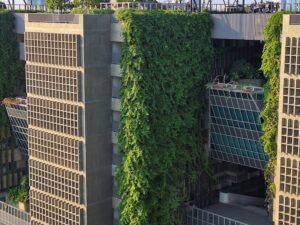
The Living Future: Integrating Green Building Principles into Modern Architecture
The Living Future: Integrating Green Building Principles into Modern Architecture In an era defined by climate change, resource depletion, and...

Professional Green Building: Advanced Techniques
Professional Green Building: Advanced Techniques In recent years, green building has evolved from a niche concept into a cornerstone of...
Green Building vs Alternatives: Complete Comparison
Green Building vs Alternatives: Complete Comparison In an era marked by environmental awareness and sustainable development goals, the construction industry...
Quick Green Building Solutions Under 30 Minutes
Quick Green Building Solutions Under 30 Minutes The construction industry is undergoing a transformative shift toward sustainability, driven by environmental...