


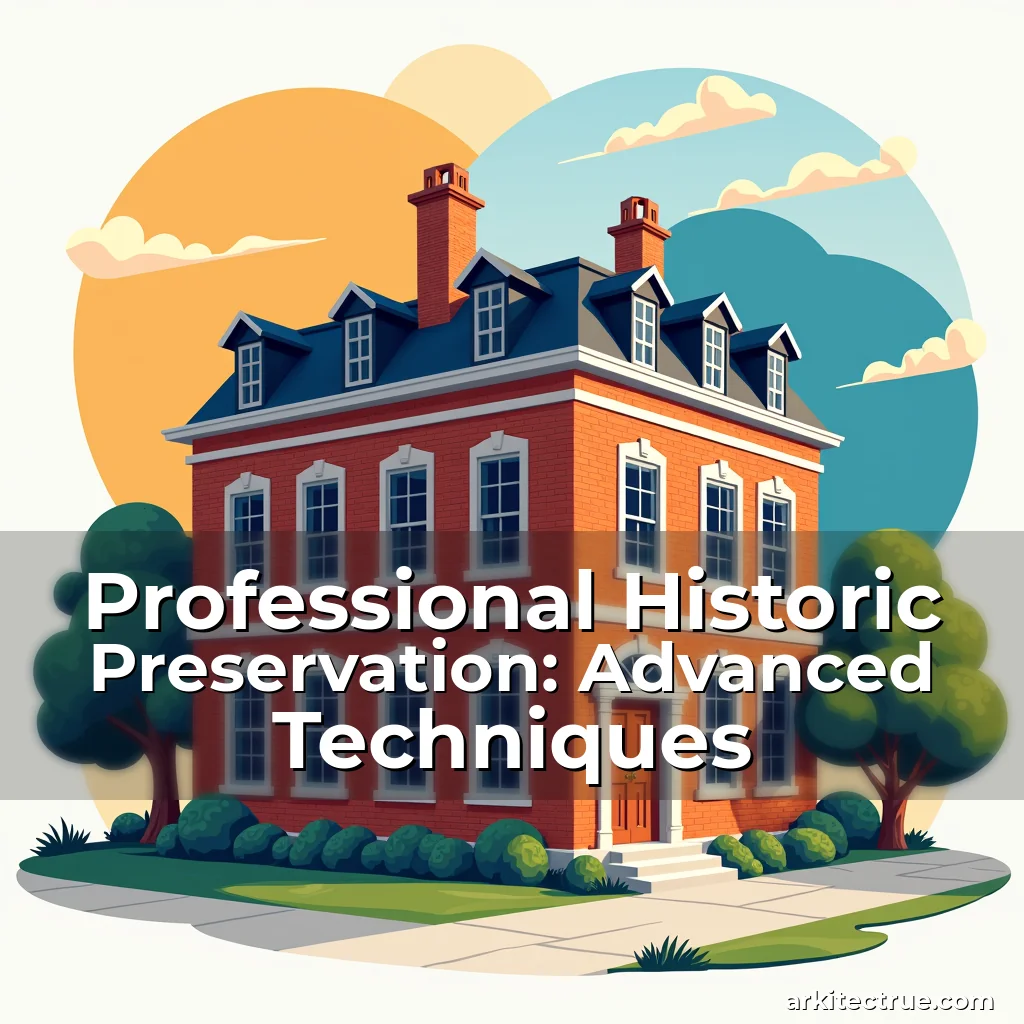
Professional Historic Preservation: Advanced Techniques
Historic preservation is not merely an act of conservation; it’s a dynamic field that requires a blend of historical knowledge, architectural expertise, and modern technological innovation. As we delve deeper into advanced techniques within this profession, it becomes clear that preserving our built heritage involves far more than maintaining old buildings—it encompasses understanding cultural narratives, ensuring structural integrity, and adapting historic structures to meet contemporary needs without compromising their original character.
The significance of professional historic preservation extends beyond aesthetics and nostalgia; it plays a crucial role in shaping communities’ identities and fostering sustainable development practices. By employing cutting-edge methodologies such as 3D scanning, digital archiving, and environmentally friendly restoration materials, practitioners can achieve remarkable results while honoring the past.
The Role of Technology in Modern Historic Preservation
In recent years, technology has become an indispensable tool in the realm of historic preservation. From laser scanning to artificial intelligence-driven analysis, these innovations are revolutionizing how professionals approach documentation, assessment, and restoration projects. This integration of high-tech solutions ensures greater accuracy in capturing intricate details and enables more precise interventions when addressing deterioration issues.
Digital technologies have also transformed the way information is stored and shared among stakeholders involved in preservation efforts. Cloud-based platforms allow real-time collaboration between architects, historians, engineers, and local authorities who may be geographically dispersed yet need seamless communication regarding project specifics and timelines.
- Laser Scanning: Provides highly accurate three-dimensional data essential for creating virtual replicas of historic sites before any physical work begins. These models serve both as reference points during restoration phases and educational tools for future generations.
- Artificial Intelligence: AI algorithms analyze vast amounts of visual data quickly identifying patterns indicative of material decay or structural weaknesses invisible to the naked eye. Early detection through machine learning significantly reduces long-term maintenance costs by enabling timely repairs rather than costly overhauls later down the line.
Ethical Considerations in Historic Preservation Projects
Navigating ethical dilemmas forms a critical aspect of every successful preservation initiative. Professionals must balance respect for historical authenticity against practical demands imposed by current regulations or community expectations. Ethical decision-making often hinges upon transparent dialogue involving all parties affected—including indigenous groups whose ancestral ties might influence site interpretation methods used today.
Transparency remains paramount when dealing with contentious aspects related to adaptive reuse versus complete reconstruction debates surrounding certain landmarks. Engaging local populations early-on helps build trust which ultimately leads towards consensus-oriented outcomes respecting diverse perspectives while safeguarding irreplaceable heritage assets from potential misinterpretation or misuse.
Recommended Reading: PBDW Architects: Join Our Team as an Intermediate ArchitectCultural Sensitivity and Inclusivity Practices
A growing emphasis now places significant importance on incorporating culturally sensitive approaches into preservation strategies worldwide. For instance, Native American tribes across North America advocate strongly for respectful handling of sacred spaces ensuring their spiritual significance isn’t diminished despite modernization pressures facing many reservations today. Incorporating native voices directly into planning stages fosters mutual understanding thereby enhancing overall success rates associated with such endeavors.
Similarly, inclusive design principles guide contemporary adaptations aiming at making older infrastructure accessible without sacrificing its core features. Ramps added judiciously alongside retaining original entryways exemplify thoughtful modifications aimed at achieving universal access standards whilst preserving architectural legacy intact.
Sustainable Methods Applied Within Historic Building Restoration
Sustainability has emerged as another vital component influencing modern preservation practices increasingly aligned with global environmental goals set forth under initiatives like Agenda 2030 SDGs framework. Utilizing eco-friendly construction materials compatible with traditional craftsmanship represents one facet where sustainability intersects directly with conservation ethics.
Green roofs installed atop restored edifices offer dual benefits—enhancing insulation properties thus reducing energy consumption required for heating/cooling purposes simultaneously contributing positively toward urban biodiversity enhancement objectives pursued globally through various ecological programs targeting climate change mitigation.
Case Studies Highlighting Innovative Approaches
To illustrate effective application of aforementioned concepts let us examine notable examples demonstrating exemplary execution levels achieved via strategic implementation combining technological prowess along with adherence strict compliance protocols mandated within respective jurisdictions governing protected areas.
One standout case study involves meticulous rehabilitation undertaken recently concerning National Register listed colonial-era mansion situated near Boston Harbor region. Herein, architects employed photogrammetry software paired seamlessly with drone imagery resulting in ultra-detailed topographical maps facilitating informed decisions around foundation reinforcement measures necessitated due primarily because rising sea levels threatened coastal zones inhabited historically by seafaring families dependent economically upon maritime trade routes established centuries ago.
Additionally, utilization of biodegradable lime plaster instead conventional cementitious compounds proved instrumental restoring facades exhibiting severe weathering caused mainly attributable factors including acid rain exposure combined prolonged UV radiation damage affecting exterior surfaces exposed continuously since initial construction phase circa mid-eighteenth century.
Community Engagement Strategies Enhancing Preservation Success Rates
Fostering active participation amongst residents living nearby designated monuments enhances chances substantially increasing longevity afforded preserved entities considerably compared scenarios wherein minimal public input occurs prior initiating actual intervention activities. Local involvement cultivates sense belonging reinforcing communal identity tied closely together through shared memories embedded physically manifested form tangible artifacts scattered throughout neighborhoods experiencing rapid gentrification trends observed frequently nowadays especially metropolitan centers undergoing extensive redevelopment plans driven largely private sector interests seeking profit motives rather prioritizing heritage values above financial gains obtainable otherwise.
You Might Also Enjoy: Best Historic Preservation Tips and StrategiesStrategies implemented successfully include organizing regular town hall meetings inviting open discussions allowing expression concerns apprehensions individuals harboring relating proposed changes impacting vicinity they inhabit daily lives. Such forums encourage transparency establishing accountability mechanisms ensuring equitable distribution resources allocated towards executing restoration undertakings fairly benefiting everyone concerned regardless socioeconomic background differences existing amongst populace residing close proximity targeted locations.
Legal Frameworks Governing Historic Property Management
Understanding legal parameters defining permissible alterations constitutes fundamental prerequisite mastering complex landscape encountered professionals operating within this specialized domain. Federal statutes like National Historic Preservation Act enacted United States establish baseline protections applying universally applicable rules dictating minimum requirements necessary fulfilling obligations entrusted custodianship roles assigned owners caretakers entrusted responsibility overseeing day-to-day operations managing assets classified officially recognized status affording them elevated level protection vis-à-vis standard property classifications typically governed ordinary building codes.
State-level legislations further refine those federal guidelines tailoring provisions according geographic peculiarities regional characteristics influencing particular challenges faced specific locales. For example, states bordering Great Lakes experience distinct climatic conditions requiring customized maintenance schedules unlike regions characterized arid climates where different types deterioration processes occur predominantly owing variations moisture levels affecting rate degradation experienced materials utilized constructing historic edifices located there respectively.
Training Programs Advancing Expertise Levels Among Practitioners
Continuous education remains imperative sustaining proficiency demanded evolving field continually expanding horizons introducing novel methodologies emerging rapidly technological advancements occurring consistently throughout industry sectors intersecting architecture engineering anthropology disciplines converging together forming multidisciplinary teams collaborating effectively achieving common goal protecting intangible heritage alongside physical remnants representing collective memory societies.
Accredited institutions offering certificate courses specializing niche areas provide structured pathways acquiring requisite skills preparing students entering workforce equipped competencies meeting rigorous expectations employers demand. Workshops focusing hands-on training sessions utilizing latest equipment available marketplaces ensure participants gain practical experience complementing theoretical knowledge acquired academic settings previously.
Challenges Faced by Contemporary Historians & Architects Involved In Preservation Efforts
Despite numerous successes recorded globally regarding revitalization efforts directed towards saving endangered structures, several persistent obstacles continue impeding progress notably funding shortages constraining scope scale achievable projects limited budgets often dictated municipal government allocations subject frequent revisions based shifting political priorities altering emphasis placed upon allocating funds competing priorities vying attention policymakers deciding annual budgetary distributions accordingly.
Another formidable challenge arises conflicts stemming differing interpretations regarding appropriate ways treating relics bearing contested histories particularly instances involving slavery legacies colonial expansions imperial conquests prompting heated debates whether certain symbols representing divisive episodes society ought remain visible publicly displayed accessible visitors wishing learn full spectrum events transpired shaping present world order.
Future Trends Shaping Direction Of Professional Historic Preservation Industry
As we look ahead anticipating forthcoming developments poised transform landscape dramatically redefining paradigms currently prevailing today, integration augmented reality experiences emerges promising avenue enabling immersive encounters allowing users visualize reconstructed versions ancient buildings overlaid digitally onto existing ruins providing interactive storytelling components elucidating evolution architectural styles spanning epochs.
Furthermore, predictive analytics leveraged forecast potential risks threatening historic sites through modeling climate change impacts assessing vulnerabilities susceptible locations likely suffer greatest damages thereby guiding proactive measures preemptively mitigating harm before situations escalate reaching irreversible stages requiring extensive remedial actions afterwards.
Conclusion
Historic preservation stands at a pivotal juncture marked by unprecedented opportunities presented through innovative technologies coupled with heightened awareness societal responsibilities incumbent upon stewards tasked maintaining fragile links connecting generations past present future. Embracing forward-thinking attitudes embracing change does not equate abandoning traditions but rather enhancing capacity protect cherish invaluable treasures entrusted humanity collectively inherit from ancestors preceding us.
In conclusion, by integrating state-of-the-art solutions grounded solid foundations ethical considerations sustainable philosophies inclusive practices robust engagement frameworks legally sound governance structures continuous professional growth opportunities available today, practitioners can navigate complexities inherent this noble pursuit confidently securing enduring legacies worthy admiration reverence ages henceforth.


news is a contributor at ArkitecTRUE. We are committed to providing well-researched, accurate, and valuable content to our readers.
You May Also Like

Historic Preservation on a Budget: Money-Saving Tips
The Timeless Value of Historic Preservation: A Visionary Approach for Architects and Enthusiasts Historic preservation bridges generations through architecture, safeguarding...
Quick Historic Preservation Solutions Under 30 Minutes
Preserving Timeless Heritage: Architectural Strategies for Saving Our Past Historic preservation is a critical practice that safeguards cultural identity, fosters...
Historic Preservation for Small Spaces
The Artistry of Timeless Heritage: A Comprehensive Exploration of Historic Preservation Historic preservation stands at the intersection of art, culture,...

How to Choose Historic Preservation: Expert Guide
How to Choose Historic Preservation: Expert Guide Historic preservation is not merely an act of nostalgia; it's a deliberate effort...