


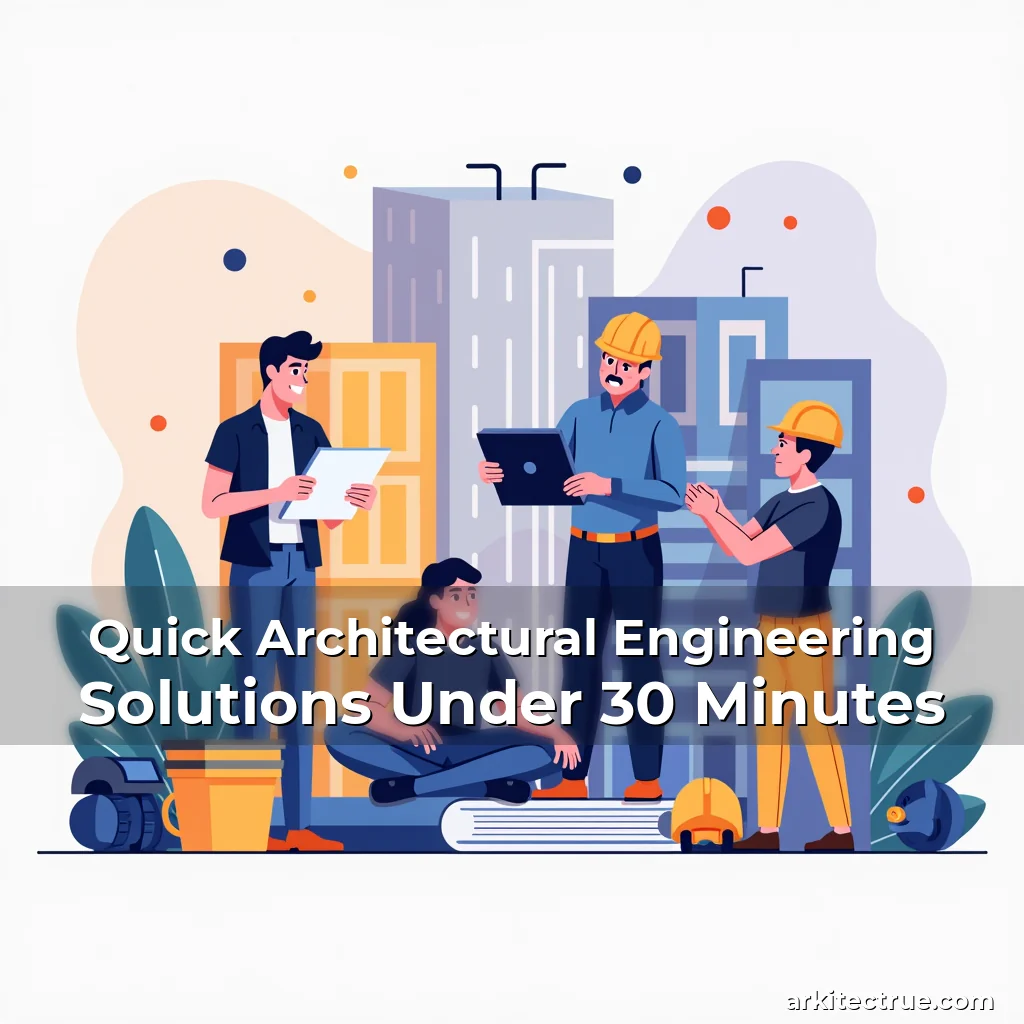
Redefining Spaces: Innovative Practices in Modern Architectural Engineering
In an era defined by rapid technological advancement and environmental consciousness, architectural engineering stands at the intersection of creativity and science. This field seamlessly merges artistic vision with structural integrity, enabling the creation of spaces that are both functional and inspiring.
The evolution of architectural engineering has transformed how buildings interact with their surroundings. From intelligent climate control systems to seismic-resistant frameworks, modern techniques prioritize safety, efficiency, and sustainability in equal measure.
Fusion of Art and Science in Design
Architectural engineering represents the harmonious blend between aesthetic expression and technical precision. It encompasses disciplines ranging from civil engineering to materials science, ensuring structures meet both visual standards and practical necessities.
This multidisciplinary approach allows engineers to innovate without compromising functionality. Advanced software tools now enable precise simulations before construction begins, minimizing errors during implementation.
The integration of BIM technology revolutionized design processes by allowing real-time collaboration among architects, engineers, and contractors. This promotes transparency and reduces costly rework significantly.
- Digital modeling enhances accuracy: 3D models provide exact measurements which reduce material waste by over 20% in typical projects.
- Sustainable material selection: Engineers now prioritize recycled steel and low-carbon concrete, cutting embodied carbon emissions by up to 40%
Technological Advancements Shaping Architecture
The digital age has introduced groundbreaking technologies that redefine what’s possible in architectural engineering. Smart building systems now integrate IoT devices to optimize energy usage and enhance occupant comfort.
Virtual reality platforms allow stakeholders to experience designs virtually before construction starts. This immersive visualization helps identify potential issues early in the development phase.
AI-driven generative design algorithms are changing traditional approaches by generating hundreds of viable options quickly based on predefined parameters.
These innovations increase project efficiency while maintaining creative flexibility. However, they require professionals who understand both the technical capabilities and human-centric design principles.
Eco-Friendly Innovations in Construction
Sustainability has become a cornerstone principle in contemporary architectural engineering. Green building certifications like LEED and BREEAM set benchmarks for environmentally responsible practices.
Engineers employ passive solar design strategies to minimize reliance on artificial heating and cooling systems. These methods leverage natural light and airflow patterns effectively.
Advances in insulation materials contribute to significant energy savings. Aerogel-based insulators offer R-values exceeding 10 per inch while being ultra-lightweight.
The incorporation of green roofs and living walls improves air quality and regulates building temperatures naturally. Studies show these features can lower indoor temperatures by 5-7 degrees Celsius.
Energy Efficiency Through Smart Systems
Modern buildings utilize smart grid connectivity to balance electricity consumption dynamically. This capability enables real-time adjustments based on weather forecasts and occupancy levels.
Intelligent lighting systems equipped with motion sensors cut energy expenditure dramatically. Some installations report reductions of up to 60% in lighting costs annually.
Automated shading mechanisms respond to sunlight intensity automatically, reducing cooling loads during peak hours. This proactive approach saves substantial amounts on HVAC expenses.
Structural Integrity Amidst Environmental Challenges
Achieving robustness against natural disasters requires advanced engineering solutions. Seismic retrofitting techniques protect existing structures while preserving historical value when possible.
Cyclone-resistant constructions incorporate impact-absorbing facades made from composite materials. These designs withstand wind pressures exceeding 180 mph with minimal damage.
Stormwater management systems prevent urban flooding by incorporating permeable pavements and detention basins strategically located within developments.
Biodegradable construction materials are gaining traction due to their reduced environmental footprint. Hempcrete offers thermal regulation properties comparable to conventional insulation materials.
Urban Planning Considerations for Future Cities
As cities expand rapidly, architectural engineers play vital roles in shaping sustainable urban environments. Mixed-use zoning encourages walkability by integrating residential areas with commercial hubs efficiently.
Pedestrian-friendly infrastructure prioritizes safe, accessible pathways that connect different neighborhoods cohesively. This approach fosters stronger communities and reduces vehicle dependency.
Tall buildings require sophisticated foundation systems to support immense weight loads safely. Micropile foundations transfer vertical forces deep underground effectively.
Skybridges connecting high-rises create interconnected cityscapes, promoting efficient movement of people between structures vertically rather than horizontally.
Smart Infrastructure for Intelligent Cities
Internet of Things (IoT) networks monitor building performance continuously. Sensors track factors like humidity, temperature, and structural strain in real time.
Data analytics transform raw information into predictive maintenance schedules, preventing equipment failures before they occur. This proactive strategy extends facility lifespan considerably.
Autonomous drones inspect hard-to-reach areas of skyscrapers regularly, identifying potential vulnerabilities promptly. Their ability to access precarious locations safely increases inspection frequency.
Blockchain technology ensures transparent record keeping for supply chain logistics. This traceability minimizes fraud risks while improving accountability across construction phases.
Education and Professional Development Pathways
Becoming a successful architectural engineer demands rigorous academic training combined with continuous professional growth. Accredited programs typically span five years covering fundamental subjects alongside specialized electives.
Licensure requires passing comprehensive exams assessing knowledge in structural analysis, codes compliance, and ethical practice standards. Maintaining active status involves ongoing education credits every licensing cycle.
Specialization tracks emerge after initial certification, focusing on domains like historic preservation, disaster mitigation, or renewable energy integration uniquely tailored to individual career goals.
Global certifications such as PE (Professional Engineer) license grant international recognition, facilitating cross-border collaborations essential in today’s interconnected world.
The Future Landscape of Architectural Innovation
Emerging trends suggest continued convergence of biology and architecture. Biophilic design elements mimic nature’s forms to promote well-being indoors, reflecting evolutionary psychology principles effectively.
Nanotechnology applications promise self-healing concrete capable of sealing microcracks autonomously. This breakthrough could drastically reduce maintenance requirements for infrastructure globally.
Space habitats represent an exciting frontier challenging current construction paradigms entirely. Architects envision modular units assembled in orbit for lunar bases requiring innovative load distribution solutions previously unexplored.
While speculation abounds regarding future advancements, core competencies remain grounded in foundational engineering principles adapted creatively to evolving contexts perpetually.
Conclusion
Architectural engineering continues to evolve by embracing new technologies while respecting established best practices. Its dual mandate of innovation and responsibility shapes tomorrow’s built environment meaningfully.
To thrive in this dynamic profession, practitioners must maintain curiosity about emerging fields like robotics automation or quantum computing impacts on construction methodologies proactively adapting skills accordingly.


news is a contributor at ArkitecTRUE. We are committed to providing well-researched, accurate, and valuable content to our readers.
You May Also Like


Architectural Engineering: Essential Tools and Resources
Architectural Engineering: Essential Tools and Resources The field of architectural engineering is at the intersection of artistry and technical precision,...
Architectural Engineering Best Practices 2025
Architectural Engineering Best Practices 2025 In 2025, architectural engineering has evolved beyond traditional design principles to embrace sustainability, technology integration,...
Architectural Engineering for Small Spaces
Architectural Engineering for Small Spaces In today’s rapidly urbanizing world, architectural engineering has evolved to address the unique challenges posed...

Engineering Career Opportunities: A Bridge to the Job Market
In a world where digital transformation is accelerating, a university degree in engineering alone is no longer enough for a...