


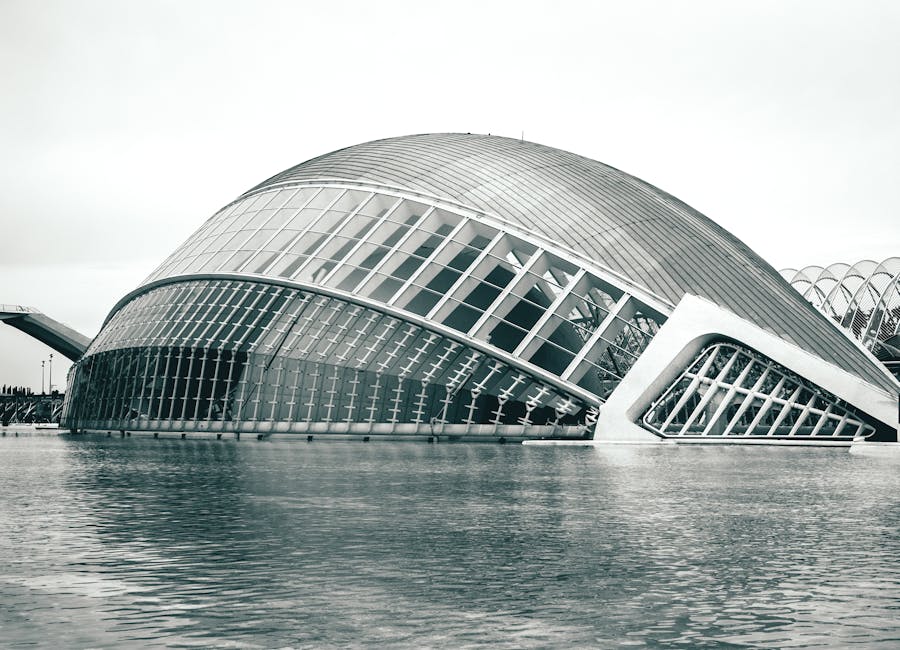
The Art and Science of Building Design: Creating Spaces That Inspire and Endure
In an era where architecture is both a reflection of cultural identity and a response to environmental challenges, the process of building design has evolved into a complex interplay of creativity, technology, and sustainability. Architects today are tasked with crafting spaces that not only meet functional needs but also resonate emotionally and contribute positively to the built environment.
This article explores the multifaceted world of building design—its principles, innovations, and future directions—to provide architects, designers, and enthusiasts with a deeper understanding of how structures come to life from concept to completion.
Fundamental Principles of Architectural Design
At its core, architectural design is guided by foundational principles that shape every aspect of construction, from form and function to material selection and spatial organization. These principles serve as the blueprint upon which all creative decisions are made.
One such principle is functionality—the idea that a structure must first fulfill its intended purpose before considering aesthetics. Whether designing residential homes or commercial skyscrapers, ensuring usability remains paramount.
Balance and proportion play equally crucial roles. A well-designed building maintains visual harmony through carefully considered dimensions, symmetry, and scale, creating environments that feel natural and inviting.
- Material Selection: Choosing appropriate materials ensures durability, cost-effectiveness, and alignment with the project’s aesthetic vision.
- Spatial Flow: Efficient movement within a space enhances user experience while optimizing layout and resource allocation.
The Role of Technology in Modern Building Design
Technological advancements have revolutionized the way architects approach building design, enabling greater precision, efficiency, and innovation across various stages of development.
Digital tools such as BIM (Building Information Modeling) allow for real-time collaboration between stakeholders, reducing errors and streamlining workflows from initial sketches to final blueprints.
Virtual reality (VR) and augmented reality (AR) technologies now offer immersive experiences during the design phase, helping clients visualize proposed structures before groundbreaking occurs.
Artificial intelligence and machine learning further enhance predictive modeling capabilities, allowing architects to simulate energy consumption patterns or structural stress scenarios accurately.
Cultural Context and Historical Influence in Architecture
Awareness of cultural context is essential when developing new buildings; respecting local traditions can foster community acceptance while preserving historical significance.
Historic preservation techniques often inform contemporary designs, blending old-world charm with modern conveniences without compromising authenticity.
For example, traditional Japanese timber framing methods continue influencing sustainable wooden constructions worldwide due to their ecological benefits and craftsmanship values.
Historical Case Studies
The Pantheon in Rome exemplifies ancient Roman engineering mastery with its massive unreinforced concrete dome—an achievement still studied today for its innovative use of materials and structural integrity.
Similarly, Frank Lloyd Wright’s Fallingwater integrates seamlessly with nature using cantilevered terraces over a waterfall, demonstrating early 20th-century ideas about organic architecture.
These examples highlight how past influences continuously shape current practices, proving that good design transcends time periods.
Eco-Friendly Approaches to Sustainable Buildings
Sustainability has become central to modern building design, driven by increasing awareness of climate change impacts and regulatory requirements aimed at reducing carbon footprints.
Green roofs, solar panels, rainwater harvesting systems, and passive heating/cooling strategies are among several eco-friendly features incorporated into contemporary projects.
Biomimicry—a design philosophy inspired by biological processes—offers novel solutions ranging from self-cooling facades modeled after termite mounds to water filtration systems mimicking mangrove roots.
LEED certification programs encourage developers to adopt environmentally responsible practices by providing benchmarks for energy performance, indoor air quality, and resource management.
Designing For Human Experience And Wellbeing
Spaces significantly impact human behavior, mood, productivity, and overall health—factors increasingly prioritized in modern building design methodologies.
Natural light exposure reduces fatigue levels while improving circadian rhythms associated with better sleep cycles. Incorporating ample daylight sources thus becomes vital for occupant wellness.
Acoustic considerations ensure comfort too; properly insulated walls prevent noise pollution inside offices or residences alike, promoting concentration levels and relaxation opportunities.
Biophilic design elements like indoor plants increase oxygenation rates indoors while psychologically connecting occupants back to nature, enhancing mental clarity and emotional stability.
Urban Planning Integration With Architectural Concepts
Architects cannot work in isolation anymore—they must collaborate closely with urban planners who oversee broader city infrastructures including transportation networks, zoning laws, and public amenities distribution.
Smart cities initiatives utilize data analytics to optimize traffic flow, manage waste disposal efficiently, and allocate resources equitably based on population density metrics gathered via IoT sensors embedded throughout neighborhoods.
Pedestrian-friendly layouts prioritize walkability alongside bike lanes connectivity aiming towards zero-emission transport goals aligned with global climate agreements.
Public squares designed around communal gathering spots reinforce social cohesion whereas mixed-use developments combine housing units with retail outlets fostering vibrant street life dynamics beneficial to local economies.
Challenges Facing Contemporary Architects Today
Rapid technological changes demand continuous upskilling efforts from professionals already burdened with tight deadlines and budget constraints imposed by investors seeking quick returns on capital investments.
Climate resilience measures add complexity since buildings need withstand extreme weather events like floods or wildfires which were once rare occurrences becoming common threats globally.
Cultural sensitivity issues arise frequently especially when working internationally requiring careful navigation between differing societal norms regarding privacy expectations versus openness towards shared living arrangements.
Economic fluctuations influence material costs unpredictably forcing compromises either on quality standards or timeline extensions affecting entire supply chain operations involved in construction phases.
Future Trends Shaping Tomorrow’s Built Environment
Emerging trends suggest significant shifts toward modular construction techniques utilizing prefabricated components assembled off-site then transported ready-to-install at destination locations thereby minimizing disruption caused during erection processes.
Autonomous robotic arms equipped with AI algorithms perform repetitive tasks faster than humans do while maintaining consistent accuracy standards required in high-rise edifice formations currently under experimental trials worldwide.
Blockchain applications track ownership transfers transparently preventing illegal land grabbing activities prevalent in some regions where property records remain poorly maintained leading to disputes unresolved for years.
Advancements in 3D printing enable creation of intricate geometries previously unattainable manually opening avenues for customized interior fittings tailored precisely according to individual preferences rather than mass-produced uniformity seen traditionally.
Conclusion
The field of building design continues evolving rapidly influenced simultaneously by technological progressions, ecological imperatives, and shifting societal demands necessitating adaptive approaches continually refined through research and practice.
By embracing interdisciplinary collaborations spanning fields beyond pure architecture—from psychology studies informing ergonomic furniture placements right down to quantum computing models predicting long-term infrastructure degradation risks—we stand poised to create resilient legacies worthy of our generation’s aspirations.


news is a contributor at ArkitecTRUE. We are committed to providing well-researched, accurate, and valuable content to our readers.
You May Also Like

Building Design Best Practices 2025
Building Design Best Practices 2025 The evolution of building design continues to reshape how we interact with our environments, blending...
Building Design for Small Spaces
Building Design for Small Spaces In today’s rapidly urbanizing world, architectural innovation has become increasingly focused on optimizing limited square...
Common Building Design Mistakes to Avoid
Common Building Design Mistakes to Avoid In the dynamic world of architecture, even seasoned professionals can fall prey to common...
Building Design Step-by-Step Tutorial
The Art and Science of Building Design: A Comprehensive Exploration In an era where architecture is both a functional necessity...