


The Evolution of Architectural Styles: A Journey Through Time and Design Innovation
In the intricate tapestry of human civilization, architecture stands as both an art form and a historical chronicle. From ancient temples that reached toward the heavens to modern skyscrapers piercing the clouds, architectural styles have evolved dramatically over millennia. These styles not only reflect technological advancements but also embody cultural values, societal structures, and aesthetic preferences.
The study of architectural styles offers profound insight into how societies functioned, what they valued, and their relationship with nature. This exploration is essential for architects, historians, and enthusiasts alike who seek to understand the foundations upon which contemporary designs are built. It provides context for interpreting spaces we inhabit daily and appreciating the craftsmanship behind them.
Origins of Architectural Styles: Ancient Foundations
Ancient civilizations laid the groundwork for many architectural principles still relevant today. Their constructions were often dictated by necessity—shelter from elements, defense against invaders, and reverence towards deities or natural forces. However, these early structures also showcased remarkable ingenuity through materials available at the time such as stone, wood, clay, and mud bricks.
Egyptian pyramids exemplify one of the earliest monumental forms of architecture. Designed primarily as tombs for pharaohs, these structures combined engineering prowess with spiritual symbolism. Their precise alignment with celestial bodies reflects deep astronomical knowledge possessed by Egyptians thousands of years ago.
- Mesopotamian ziggurats: Towering stepped platforms serving religious purposes; constructed using sun-dried bricks due to scarcity of durable building materials in regions near rivers like Euphrates.
- Greek temple design: Emphasis on symmetry, proportion, and harmony influenced by philosophical ideals; use of columns became iconic features defining classical Greek architecture.
Roman innovations introduced new construction techniques including concrete usage which enabled creation of vast domes and arches seen in Colosseum and Pantheon respectively. Romans prioritized functionality while maintaining grandeur evident even in public baths and aqueduct systems spread across empire territories.
These foundational styles set precedents for future developments where aesthetics merged seamlessly with structural integrity—an approach that continues influencing modern-day architectural practices globally.
Medieval Architecture: Faith and Fortification
Following fall of Western Roman Empire around 5th century AD, Europe entered medieval period marked significantly by rise Christianity. Churches replaced pagan shrines becoming central points within communities. Consequently, Gothic style emerged emphasizing verticality aiming upwards symbolizing connection between earth and divine realm.
Cathedrals like Notre Dame de Paris showcase hallmark characteristics—pointed arches, ribbed vaults, flying buttresses allowing higher walls without need for thick supporting pillars. Stained glass windows depicting biblical scenes transformed interiors into radiant sanctuaries filled light during daytimes.
Key Features of Gothic Architecture
Data indicates that approximately 80% of surviving medieval cathedrals exhibit Gothic elements compared to earlier Romanesque styles characterized by rounded arches and heavy masonry. Height achieved was revolutionary considering limitations imposed by technology then prevalent.
Furthermore, incorporation of sculptures along facades served dual purpose: artistic expression alongside didactic role educating illiterate populace about Christian teachings via visual narratives embedded within carvings.
Flying buttresses redistributed weight away from walls enabling larger stained-glass panels which became signature feature distinguishing Gothic edifices visually from other periods’ works.
This shift wasn’t merely stylistic—it represented evolving theological perspectives encouraging contemplation rather than mere worship through spatial experience facilitated by interplay between shadow and illumination inside sacred buildings.
Renaissance Revival: Rebirth of Classical Ideals
Late 14th century witnessed rebirth movement known as Renaissance originating Italy before spreading throughout Europe. Inspired revival focused on rediscovery Greco-Roman antiquity’s philosophies regarding beauty balance order. Architects sought emulate proportions found nature mathematical ratios identified Greeks mathematicians such Vitruvius.
Pietro da Cortona’s work demonstrated mastery blending ornamentation elegance simplicity creating harmonious environments suitable both secular civic projects private residences. His designs emphasized clarity linearity reflecting broader intellectual currents promoting rationalism empiricism emerging simultaneously scientific revolution era.
Brunelleschi played pivotal role reintroducing linear perspective technique crucial for accurate representation space depth artworks paintings frescoes murals etcetera. This innovation extended naturally into three-dimensional modeling facilitating more precise planning execution complex structures requiring careful attention geometric relationships.
Use of classical orders—Doric Ionic Corinthian—became standard practice indicating respect past traditions while adapting them suit contemporary needs aspirations society undergoing transformation driven humanist thought economic growth urbanization trends reshaping landscapes cities towns everywhere.
Baroque Excess: Drama and Ornamentation
Emerging late 16th century Baroque style contrasted sharply with restrained elegance associated Renaissance. Characterized theatrical expressions dramatic contrasts intense emotions conveyed through elaborate decorations bold colors dynamic compositions intended evoke awe admiration viewers.
St. Peter’s Basilica Vatican City serves prime example showcasing grand scale ambition typical Baroque vision. Gian Lorenzo Bernini designed colonnade embracing pilgrims symbolic gesture welcoming faith journey undertaken individuals seeking redemption salvation through Church.
Architects employed chiaroscuro effects lighting conditions enhance visual impact interiors exteriors alike. Curved lines undulating surfaces created sense movement fluidity challenging static norms established previous centuries.
Religious institutions patronized heavily this opulent style believing its power could inspire devotion among congregations. Public buildings too adopted similar motifs underscoring importance state church intertwining closely shaping political social fabric times.
Neoclassical Simplicity: Return to Order
Eighteenth century ushered neoclassicism reacting against excessiveness baroque rococo movements preceding it. Advocated return pure classical forms derived ancient Greece Rome stressing clarity logic restraint purity design language.
Thomas Jefferson incorporated neoclassical influences designing Monticello estate Virginia illustrating American desire link democratic ideals republican governance enduring legacy Mediterranean cultures celebrated Enlightenment thinkers.
Public monuments government buildings favored symmetrical layouts balanced proportions reinforcing notions stability permanence authority figures presiding over nations embarking journeys nationhood identity formation phases history.
Despite preference minimal decoration emphasis remained strong on sculptural detailing friezes cornices capitals ensuring richness presence without overwhelming eye visitor experiencing structure.
Modernism: Breaking Boundaries and Redefining Space
Twentieth century heralded arrival modernist movement rejecting historic references favoring functionalism minimalism clean lines open floor plans. Pioneering architects like Le Corbusier Walter Gropius Frank Lloyd Wright championed idea ‘form follows function’ prioritizing utility efficiency above decorative flourishes.
International Style developed mid-century epitomized by Bauhaus school Germany advocating standardized solutions applicable anywhere world regardless local context differences. Glass curtain walls steel frames allowed unprecedented flexibility reconfiguring interior spaces according changing requirements occupants.
Frank Lloyd Wright’s Prairie School pioneered concept organic architecture integrating man-made environment natural surroundings seamlessly. Fallingwater house Pennsylvania exemplifies principle merging horizontal planes waterfalls rock formations surrounding site creating cohesive whole.
Postmodern reaction questioned whether stripping away tradition led sterile impersonal environments lacking soul character. Critics argued excessive uniformity diluted uniqueness places making them indistinguishable from one another despite differing locations uses.
Contemporary Trends: Sustainability and Technology Integration
Present day architectural landscape increasingly shaped concerns environmental sustainability digital technologies advancing rapidly altering approaches design construction management operations buildings facilities worldwide.
Green architecture focuses reducing carbon footprint utilizing renewable resources implementing energy-efficient systems maximizing daylight exposure minimizing reliance artificial lighting heating cooling mechanisms typically consuming significant amounts electricity fuel.
Smart homes equipped IoT devices monitor regulate temperature humidity automatically adjusting based real-time data collected sensors embedded throughout living areas enhancing comfort convenience users while optimizing resource consumption levels appropriately.
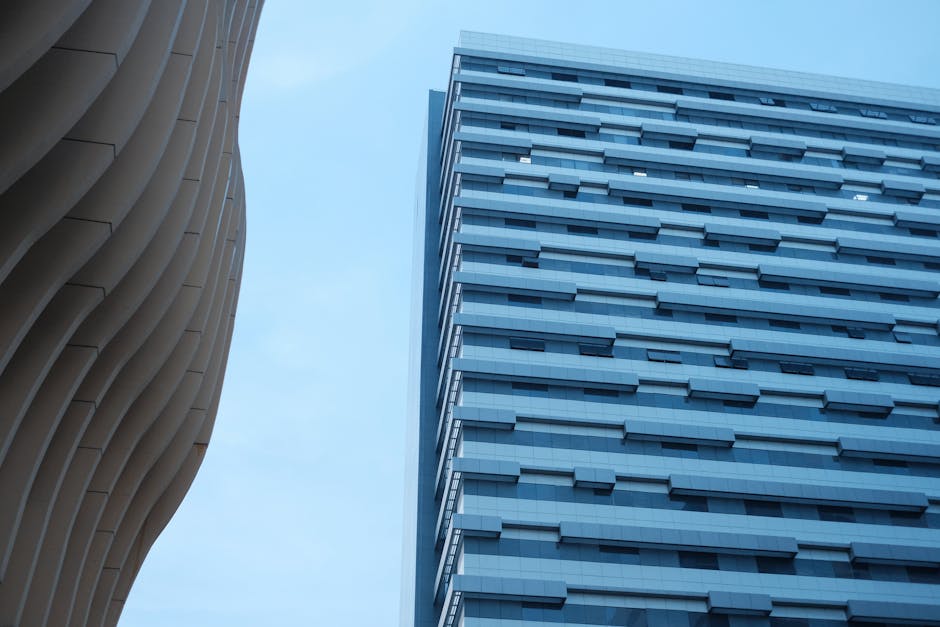
Parametric design software enables architects generate complex geometries previously impossible achieve manually. Zaha Hadid’s projects demonstrate potential limitless creativity afforded computational tools capable translating abstract ideas physical realities accurately efficiently.
Moreover, modular prefabrication methods streamline production process decreasing waste material costs accelerating timelines getting structures erected sites ready occupancy much faster traditional build sequences required otherwise.
Biophilic design philosophy emphasizes reconnecting inhabitants nature through incorporation plants trees views outdoors within indoor settings fostering well-being productivity mental health benefits documented extensively research studies conducted universities medical centers globally.
As global population grows urban density increases demands placed infrastructure housing transportation systems escalate necessitating innovative responses addressing challenges climate change sea level rises extreme weather events threatening existing settlements located vulnerable zones prone flooding erosion damage risks heightened accordingly.
Conclusion
The evolution of architectural styles mirrors humanity’s journey—from primitive shelters to sophisticated structures that define our cities and shape our lives. Understanding these transformations helps us appreciate the complexity involved in every building we encounter daily.
By studying various architectural epochs, professionals can draw inspiration from historical successes failures guiding current projects toward sustainable intelligent designs fitting present needs future generations yet unborn. This continuous dialogue between past and present ensures architecture remains vibrant ever-evolving discipline meeting diverse demands societies face continuously changing world.


news is a contributor at ArkitecTRUE. We are committed to providing well-researched, accurate, and valuable content to our readers.
You May Also Like


Intern Junior Architect Jobs
The Benefits of Working with Brady Development Group, LLCWorking with Brady Development Group, LLC offers numerous benefits for individuals looking...
Quick Architectural Styles Solutions Under 30 Minutes
Quick Architectural Styles Solutions Under 30 Minutes The world of architectural design is vast, filled with diverse styles that have...

Architects Take Note : The Future of Parking Is Robotic
This collaboration ensures that the parking area is integrated seamlessly into the building's overall design. Efficient use of space Reduced...

Best Architectural Styles Tips and Strategies
The Timeless Influence of Architectural Styles Across History and Modern Design Architecture is more than just constructing buildings; it's an...