


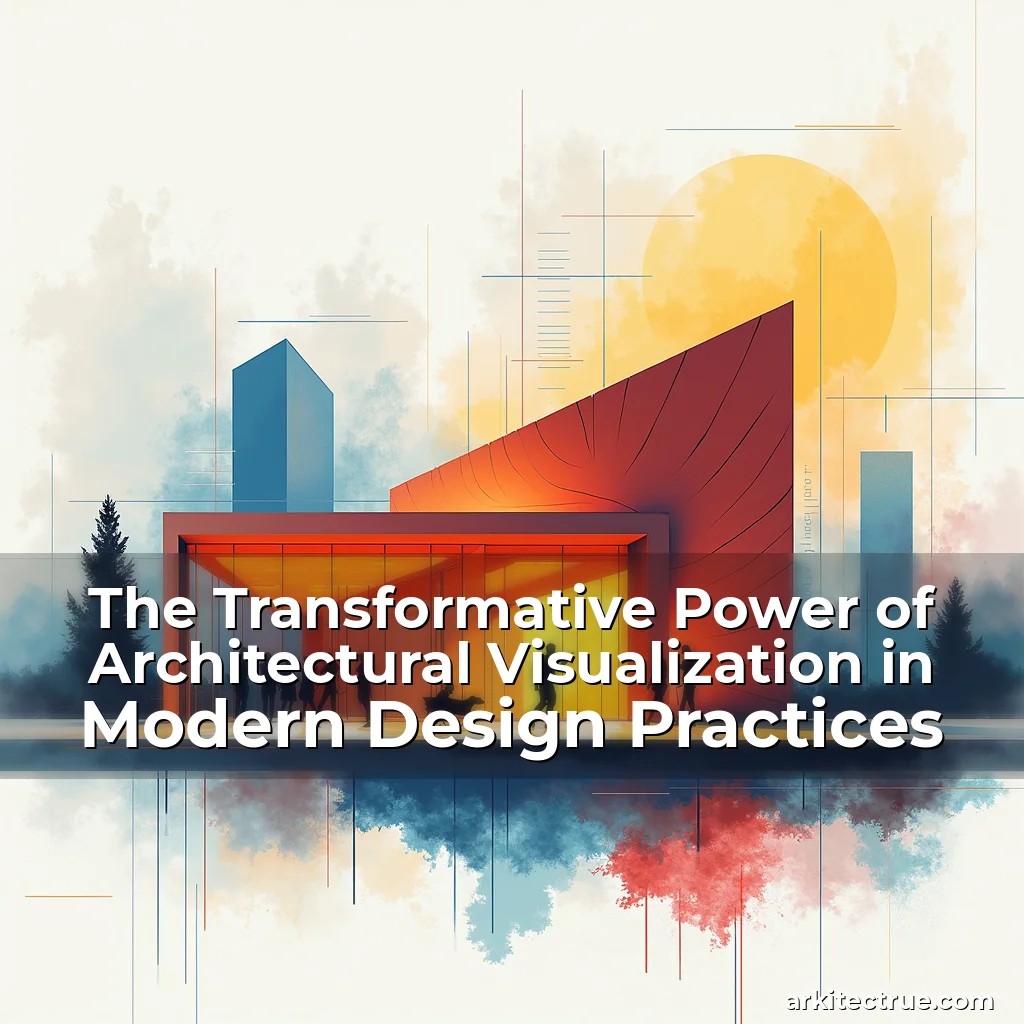
The Transformative Power of Architectural Visualization in Modern Design Practices
In an era where digital innovation reshapes industries, architectural visualization has emerged as a cornerstone of modern design processes. By merging artistry with technology, architects now craft immersive experiences that bridge imagination and reality.
This evolution is redefining how professionals conceptualize spaces before construction begins. The ability to visualize complex structures through photorealistic renderings allows stakeholders to make informed decisions early in the project lifecycle.
Evolution from Sketches to Digital Realities
Around the turn of the millennium, traditional hand-drawn blueprints began yielding to computer-generated imagery. This transition was driven by the need for greater precision and clarity in communicating spatial ideas.
Early software solutions focused primarily on technical accuracy rather than aesthetic appeal. However, as hardware capabilities advanced, so did the potential for creating visually compelling presentations that could capture both functional aspects and artistic vision.
- Revit revolutionized BIM workflows by integrating 3D modeling with construction documentation, allowing real-time updates across disciplines.
- V-Ray introduced realistic lighting simulations, enabling designers to predict how natural light would interact with materials under various conditions.
These tools collectively transformed architectural visualization from a supplementary task into a critical component of project development. Their integration within workflow pipelines ensures consistency between visual representations and actual building performance metrics.
Fundamental Principles of Effective Visualization
At its core, successful architectural visualization relies on understanding human perception principles. Color theory, perspective control, and depth cues play essential roles in guiding viewers’ interpretations of virtual environments.
Designers must balance technical data with emotional engagement when presenting proposals. While measurements remain crucial, conveying the ambiance and atmosphere of proposed spaces helps generate stakeholder buy-in at earlier stages.
The Role of Lighting in Spatial Perception
Lighting can dramatically alter perceived dimensions and mood within a space. Studies show that warm color temperatures create inviting atmospheres while cooler tones evoke professionalism and cleanliness.
CAD software now includes sophisticated daylight simulation features that account for geographic location, time of year, and cloud cover variations. These tools help architects optimize window placements and material choices for energy efficiency.
Applications Across Different Project Phases
Architectural visualization serves distinct purposes during each phase of a building’s lifecycle. Conceptual designs require expressive illustrations that communicate creative intent without getting bogged down in specifics.
Detailed presentation models come into play during client meetings and regulatory reviews. These high-resolution renders showcase intricate design elements such as façade textures and interior finishes.
Construction documentation phases benefit from annotated visualizations that highlight structural components alongside traditional plans. This dual representation aids contractors in interpreting complex assemblies accurately.
Bridging Communication Gaps Between Stakeholders
One of the most significant advantages of architectural visualization lies in its ability to facilitate cross-disciplinary communication. Engineers, urban planners, and clients often have varying levels of technical expertise regarding building systems.
Photorealistic walkthroughs allow non-specialists to grasp complex concepts intuitively. A city planner examining a mixed-use development proposal can better understand circulation patterns through interactive 3D models than via two-dimensional schematics.
Real-time collaboration platforms enable teams to review changes simultaneously regardless of their physical locations. This capability proves particularly valuable for international projects involving diverse professional groups.
Educational Applications and Training Tools
Beyond commercial applications, architectural visualization plays a vital role in education. Students gain hands-on experience using industry-standard software long before entering professional practice.
Schools increasingly incorporate VR headsets into curricula, allowing learners to explore buildings in three dimensions and analyze spatial relationships firsthand. This experiential learning approach enhances comprehension of theoretical concepts taught in classrooms.
Simulation-based training modules help future architects develop skills in rendering techniques, material selection, and environmental analysis. These competencies are foundational for producing effective visual communications in their careers.
Emerging Technologies Reshaping Visualization Capabilities
Advancements in artificial intelligence are beginning to influence architectural visualization practices. Machine learning algorithms can now auto-generate texture maps based on limited input parameters, significantly speeding up production timelines.
Augmented reality applications let users overlay digital models onto real-world environments through mobile devices. This feature enables site-specific analyses that were previously difficult to achieve with conventional methods.
Cloud computing infrastructure supports collaborative workspaces where multiple team members can access and modify shared visualization assets concurrently. Such flexibility streamlines revisions and fosters more dynamic design exploration.
Ethical Considerations in Visual Representation
While technological progress offers numerous benefits, it also raises ethical questions regarding visual honesty in architectural presentations. Some critics argue that hyper-realistic renderings may misrepresent final outcomes if certain assumptions aren’t clearly communicated.
Transparency about which elements are speculative versus confirmed facts becomes crucial when presenting proposals. Clients need clear indications of what constitutes design intent versus what remains subject to change during construction.
Industry standards organizations continue developing guidelines for responsible use of visualization technologies. These frameworks aim to ensure that visual representations serve as accurate reflections of intended design goals rather than misleading idealizations.
The Future Landscape of Architectural Visualization
Ongoing research suggests that the field will see continued convergence between physical and digital realms. Haptic feedback systems might soon allow users to feel surfaces represented in virtual models, enhancing sensory engagement beyond current visual-only interfaces.
As sustainability concerns grow, visualization tools will likely integrate more robust environmental impact assessments. Architects may be able to simulate carbon footprints and energy consumption patterns directly within modeling platforms.
The increasing adoption of AI-driven generative design approaches promises new possibilities for exploring alternative forms and configurations. These intelligent systems could assist in identifying optimal solutions that align with both aesthetic preferences and engineering constraints.
Conclusion
Architectural visualization has evolved from simple illustrative sketches to powerful tools shaping contemporary design methodologies. Its impact extends far beyond aesthetics, influencing decision-making processes at every stage of a building’s journey.
Professionals who embrace these advancements stand to enhance their ability to convey complex ideas effectively. As technology continues evolving, staying abreast of emerging trends will be key to leveraging visualization as a strategic asset in architectural practice.


news is a contributor at ArkitecTRUE. We are committed to providing well-researched, accurate, and valuable content to our readers.
You May Also Like


SCI-Arc Alumni: Redefining the Built Environment
The School of the Art Institute of California Los Angeles (SCI-Arc) has a reputation for fostering radical experimentation and innovation...

Best Architectural Visualization Tips and Strategies
The Art and Science of Architectural Visualization: Transforming Concepts into Reality In an era where visual storytelling reigns supreme, architectural...

How to Choose Architectural Visualization: Expert Guide
How to Choose Architectural Visualization: Expert Guide In an era where visual storytelling shapes public perception, architectural visualization has emerged...
Architectural Visualization for Small Spaces
Designing Beauty Within Constraints: The Art of Architectural Visualization for Small Spaces In an era where urban living is increasingly...