


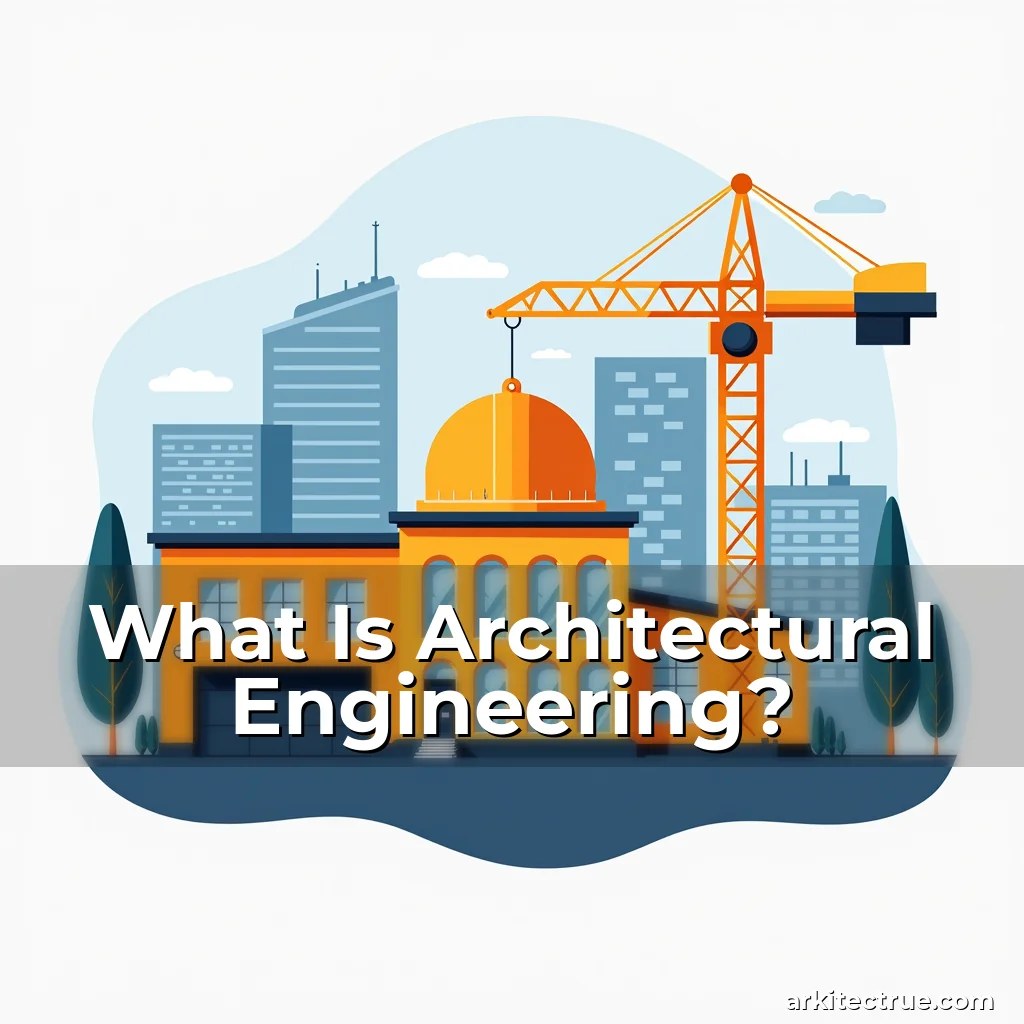
The Intersection of Art and Science: Exploring Architectural Engineering Innovations
Architectural engineering stands at the crossroads of creativity and technical precision, shaping the built environments we inhabit daily. It merges artistic vision with scientific rigor to create spaces that balance form, function, and sustainability.
This discipline has evolved dramatically over centuries, driven by humanity’s ever-growing need for safer, smarter, and more beautiful structures. From ancient temples to futuristic skyscrapers, architectural engineering defines our cultural identity and technological progress.
Defining Architectural Engineering: More Than Just Building Structures
At its core, architectural engineering involves the application of mathematical, physical, and aesthetic principles to design and construct buildings and infrastructure. This multidisciplinary field combines elements of civil engineering, architecture, mechanical engineering, electrical engineering, and computer science.
Professionals in this domain collaborate closely with architects, contractors, and clients to translate abstract designs into tangible realities. Their expertise ensures that every structure meets safety codes, environmental regulations, and user-specific requirements.
- Structural Integrity: Ensuring buildings withstand natural forces like wind, earthquakes, and gravity requires advanced calculations and materials science knowledge.
- Sustainability Integration: Modern architectural engineers prioritize eco-friendly designs that reduce carbon footprints and promote resource efficiency.
A Historical Perspective: How Architectural Engineering Evolved
The origins of architectural engineering trace back to early human settlements, where primitive shelters were constructed using available resources. Ancient civilizations like Egypt, Greece, and Rome pioneered techniques that laid the foundation for contemporary practices.
Rome’s mastery of concrete allowed for monumental feats such as aqueducts and domes, showcasing how material innovation transformed architectural possibilities. These achievements set benchmarks for durability and scale that remain relevant today.
During the Industrial Revolution, advances in steel production and mechanized construction methods revolutionized the field. Skyscrapers began appearing in cities, redefining urban landscapes and spatial relationships.
The 20th century introduced groundbreaking technologies like reinforced concrete, which enabled the creation of complex geometries previously deemed impossible. Simultaneously, computers started playing a pivotal role in design simulations and modeling.
In recent decades, digital tools such as Building Information Modeling (BIM) have become indispensable, allowing for precise planning and visualization before construction begins.
Core Principles Driving Architectural Engineering Success
Every successful project in architectural engineering hinges on foundational principles that guide decision-making processes. These principles encompass structural stability, cost-effectiveness, and adherence to local laws and international standards.
Maintaining equilibrium between visual appeal and practicality is crucial; even the most aesthetically pleasing design fails if it cannot support intended usage safely. Engineers constantly evaluate trade-offs between beauty and utility.
Economic viability plays a significant role too—projects must align with budget constraints while delivering long-term value. Sustainable choices often prove financially advantageous despite initial higher costs due to reduced maintenance expenses later.
Environmental responsibility has emerged as another critical factor influencing design choices globally. With climate change concerns rising, there’s increasing pressure to minimize ecological impacts through innovative strategies.
The Role of Computational Analysis Tools
Modern architectural engineers rely heavily on software solutions capable of performing intricate simulations. Finite Element Method (FEM), Computational Fluid Dynamics (CFD), and other analytical tools help predict performance under various conditions accurately.
Data generated from these analyses informs decisions regarding material selection, load distribution, thermal behavior, acoustics, lighting effects, etc., ensuring optimal outcomes across multiple dimensions simultaneously.
Advancements in cloud computing now enable teams worldwide to access powerful processing capabilities remotely, fostering collaboration regardless of geographical barriers.
Technology Shaping Tomorrow’s Built Environment
Emerging technologies continue pushing boundaries in architectural engineering, enabling unprecedented levels of customization and efficiency. Artificial Intelligence (AI) algorithms assist in generating preliminary designs based on user preferences and site parameters automatically.
Robotics integrated into construction sites streamline repetitive tasks traditionally performed manually, reducing labor intensity and improving accuracy rates significantly. Automated bricklaying machines and drone-assisted surveying are becoming increasingly common.
Virtual Reality (VR) and Augmented Reality (AR) offer immersive experiences during presentations, helping stakeholders visualize proposed changes before implementation occurs physically.
Beyond individual components, entire ecosystems of interconnected devices known as “smart buildings” leverage IoT sensors to monitor occupancy patterns, adjust HVAC settings dynamically, and enhance security measures proactively.
The Rise of Digital Twins
A digital twin refers to a virtual replica of a physical asset used for simulation purposes. In architectural engineering contexts, they allow engineers to test modifications virtually without disrupting actual operations.
These models provide real-time data analytics concerning structural health, energy consumption metrics, and potential failure points—all invaluable information guiding preventive maintenance actions effectively.
With growing adoption rates among leading firms globally, digital twins represent one of the most transformative innovations currently reshaping industry norms substantially.
Sustainable Practices Redefining Industry Standards
As awareness around climate crises intensifies, architectural engineers face mounting expectations to incorporate environmentally responsible approaches consistently. Green roofs, solar panels, rainwater harvesting systems, and passive cooling techniques are now standard features rather than exceptions.
Certification programs like Leadership in Energy and Environmental Design (LEED) incentivize adopting best practices by offering recognition and financial rewards tied directly to meeting stringent criteria related to emissions reduction efforts.
Materials sourcing also receives scrutiny nowadays; recycled composites, low-VOC paints, locally procured timber alternatives, and biodegradable insulation options gain popularity rapidly among progressive developers seeking greener credentials.
Urban planners increasingly advocate mixed-use developments promoting walkability instead of car dependency, thereby decreasing overall traffic congestion and pollution levels considerably.
Overcoming Challenges in Contemporary Projects
Despite remarkable strides made thus far, numerous obstacles persist within architectural engineering domains. Rapid population growth strains existing infrastructures forcing continuous upgrades while maintaining quality assurance standards remains paramount always.
Navigating diverse regulatory frameworks poses additional complexity especially when working internationally where differing legalities govern land use rights, zoning restrictions, permitting procedures vary widely depending upon jurisdiction specifics involved.
Limited availability of certain high-performance materials sometimes hinders achieving desired specifications promptly requiring creative problem-solving skills frequently employed successfully nonetheless.
Lastly, balancing stakeholder demands proves challenging occasionally necessitating mediation sessions aimed towards finding mutually agreeable compromises beneficially impacting final results achieved ultimately.
Fostering Innovation Through Education And Collaboration
To stay ahead amidst evolving landscape continuously, educational institutions emphasize interdisciplinary learning paths integrating STEM subjects alongside humanities disciplines cultivating holistic thinkers adept at tackling multifaceted problems encountered regularly.
Industry-academia partnerships facilitate transfer of cutting-edge research findings straight onto classroom curricula benefitting students acquiring hands-on experience early on preparing them adequately transitioning smoothly post-graduation phase.
Professional networks organized via conferences, webinars, workshops serve vital roles keeping practitioners updated regarding latest methodologies, case studies, policy updates pertinent specifically applicable areas they specialize predominantly focusing upon mainly.
Open-source platforms hosting collaborative projects foster global participation enabling sharing ideas freely accelerating rate at which novel concepts develop maturing quicker attaining commercial viability sooner compared conventional siloed development paradigms previously prevalent extensively earlier timelines.
Looking Ahead: Future Trends Transforming The Field
Predictions indicate continued convergence between artificial intelligence and traditional engineering disciplines opening doors toward fully autonomous construction sites managed entirely by robotic arms guided precisely by machine learning algorithms trained comprehensively beforehand thoroughly.
Generative design powered by AI promises radical shifts occurring gradually but steadily shifting paradigm permanently altering how blueprints originate initially conceived originally fundamentally transforming creative process itself essentially redefining authorship conceptually altogether.
Meanwhile, bioengineered materials inspired naturally derived substances exhibit promising characteristics including self-healing properties, adaptability according to ambient temperatures, inherent resistance against pathogens inherently contributing positively toward longevity enhancing lifespan dramatically surpassing conventional counterparts drastically outperforming largely inferior predecessors historically utilized conventionally predominantly otherwise.
Ethical considerations surrounding surveillance capabilities embedded deeply within smart city initiatives demand careful attention ensuring privacy protections maintained diligently preventing misuse scenarios arising potentially threatening fundamental freedoms guaranteed universally accepted human rights principles cherished collectively valued highly everywhere globally irrespective differences present regionally varying culturally distinct backgrounds existent inevitably unavoidable.
Conclusion
Architectural engineering continues to evolve as a dynamic fusion of artistry and technology, responding creatively yet practically to society’s changing needs. Its influence extends beyond mere structures, shaping cultures, economies, and ecologies profoundly.
By embracing emerging innovations responsibly, prioritizing sustainability relentlessly, and fostering inclusive collaborations passionately, professionals in this field hold immense power to forge resilient futures characterized uniquely defined distinctly identifiable identities reflective true essence humanity’s aspirations manifest visibly tangibly enduringly across generations forthcoming.


news is a contributor at ArkitecTRUE. We are committed to providing well-researched, accurate, and valuable content to our readers.
You May Also Like

Architectural Engineering Strategies and Implementation
The Fusion of Art and Science: Exploring Architectural Engineering's Role in Shaping Modern Structures In an era where innovation meets...


Sausages cats and the human experience : prize winning architect world
His unique approach to design is heavily influenced by the concept of qi and the principles of traditional Chinese medicine....

International Conference on Sustainable Development in Engineering and Technology
The College of Engineering and Technology at the UTAS-Al Mussanah, in partnership with the Research and Consultation Department, is collaborating...

Technical Architect Waterproofing Saint Petersburg FL US Jobs
Key Responsibilities Reviewing and analyzing design and construction documents to ensure compliance with industry standards and regulations Conducting site visits...