


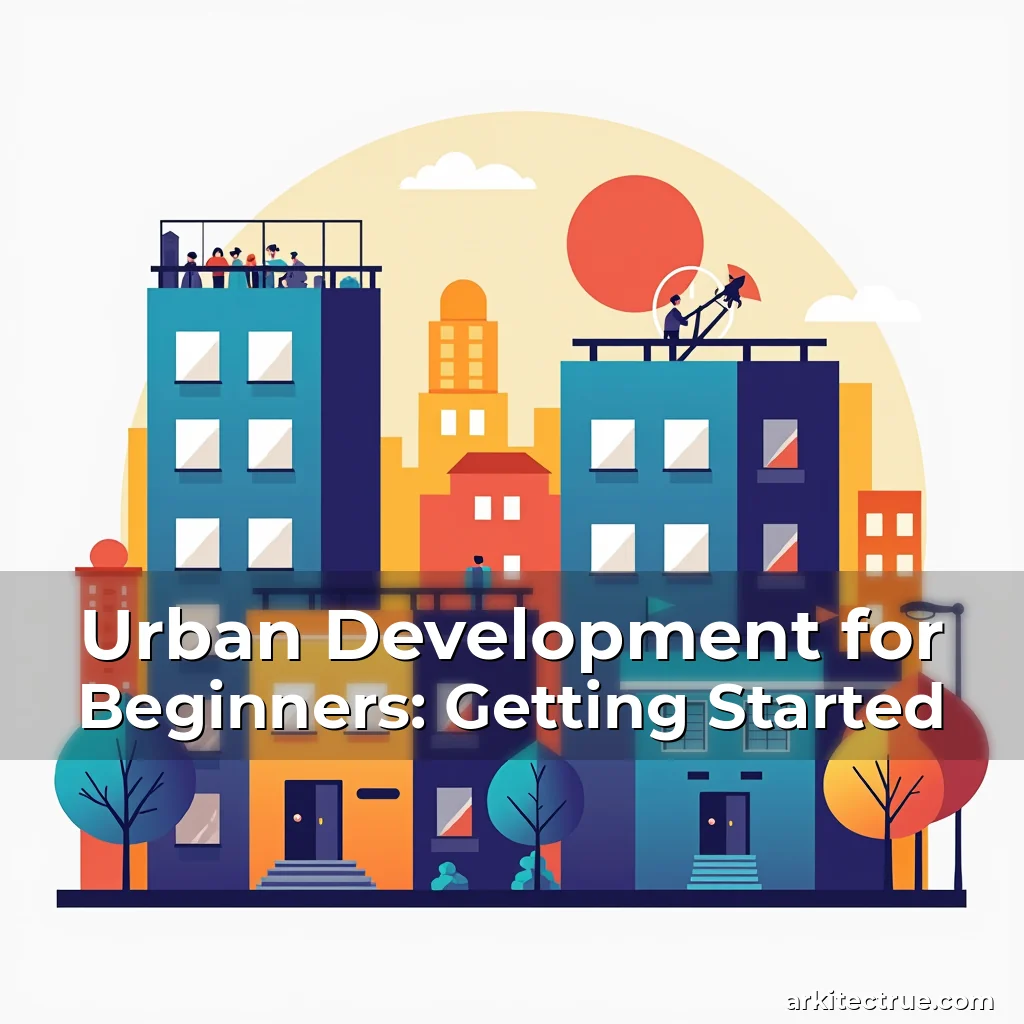
The Evolution of Urban Landscapes: A Modern Architect’s Perspective
In an era defined by rapid technological advancements and shifting societal needs, urban development has transformed from mere infrastructure expansion into a complex interplay of sustainability, innovation, and human-centric design.
This dynamic field challenges architects and planners to reimagine cities that are not only functional but also resilient against climate change, adaptable to population growth, and inclusive for diverse communities.
Fundamental Principles of Contemporary Urban Planning
Modern urban development is guided by core principles that prioritize environmental responsibility, social equity, and economic viability.
These principles shape everything from zoning regulations to public transportation networks, ensuring that new developments contribute positively to both local ecosystems and global sustainability goals.
- Sustainability: Incorporating green building materials, renewable energy sources, and waste reduction strategies is now standard practice in progressive city planning.
- Affordability: Designing mixed-use spaces that accommodate different income levels prevents gentrification while fostering vibrant neighborhood economies.
Smart Technologies Redefining City Infrastructure
Intelligent systems powered by artificial intelligence and IoT devices are revolutionizing how cities manage resources and interact with residents.
From automated traffic control systems reducing congestion to smart grids optimizing electricity distribution, these innovations enhance efficiency without compromising quality of life.
The Rise of Smart Mobility Solutions
Data-driven transit solutions have reduced average commute times by up to 30% in pilot cities implementing real-time scheduling algorithms.
E-scooter sharing programs integrated with public transport apps demonstrate how multi-modal mobility options can significantly lower carbon footprints when properly managed.
Architectural Innovations Shaping Future Cities
Pioneering architectural approaches are redefining skylines through vertical gardens, modular construction techniques, and adaptive reuse of historic structures.
Biomimetic designs inspired by natural forms offer novel solutions for energy conservation, while prefabricated components accelerate project timelines without sacrificing aesthetic integrity.
Community-Centric Development Strategies
Successful urban projects recognize that neighborhoods thrive when they actively involve residents in decision-making processes regarding land use and amenities.
Participatory design workshops and digital feedback platforms enable continuous dialogue between developers and future occupants, leading to more responsive built environments.
Cultural Preservation Through Adaptive Reuse
Historic preservation initiatives often transform obsolete buildings into cultural hubs, educational facilities, or affordable housing units.
Studies show that adaptive reuse projects generate twice as much local employment compared to new construction due to specialized labor requirements.
Addressing Climate Resilience in Urban Environments
Rising sea levels and extreme weather events necessitate proactive measures to protect vulnerable populations within metropolitan areas.
Elevated walkways, permeable pavements, and flood-resistant architecture are becoming essential elements in coastal city master plans worldwide.
Economic Implications of Strategic Urban Growth
Well-planned urban expansions stimulate regional economies through job creation, increased property values, and enhanced business opportunities.
However, poorly executed projects risk creating urban sprawl that strains infrastructure and exacerbates socioeconomic disparities across districts.
Navigating Regulatory Frameworks in Urban Development
Compliance with evolving municipal codes requires close collaboration between architects, engineers, and policymakers at every stage of the development lifecycle.
Zoning laws, building permits, and environmental impact assessments form critical checkpoints that ensure projects align with broader civic objectives.
The Role of Public Spaces in Urban Fabric
Thoughtfully designed plazas, parks, and pedestrian corridors serve as vital connectors within dense urban environments.
Research indicates that access to well-maintained public open space correlates strongly with improved mental health outcomes among city dwellers.
Future Trends Shaping Tomorrow’s Cities
Emerging technologies such as autonomous vehicles and augmented reality will continue reshaping how we conceptualize and experience urban living.
Virtual simulations allow designers to test urban layouts under various scenarios before physical implementation, minimizing costly errors during construction phases.
Conclusion
As urban landscapes evolve alongside technological progress, the role of architects becomes increasingly pivotal in shaping sustainable, equitable, and innovative cities.
By embracing interdisciplinary collaboration and staying attuned to societal changes, professionals can lead the way toward more livable metropolises that meet present needs without compromising future generations’ prospects.


news is a contributor at ArkitecTRUE. We are committed to providing well-researched, accurate, and valuable content to our readers.
You May Also Like

Urban Development: Essential Tools and Resources
Urban Development: Essential Tools and Resources In an era where cities are expanding at unprecedented rates, urban development has become...
Professional Urban Development: Advanced Techniques
Professional Urban Development: Advanced Techniques In an era where cities are expanding at unprecedented rates, urban development has evolved beyond...
Urban Development on a Budget: Money-Saving Tips
The Future of Cities: Sustainable Urban Development Strategies for Architects and Planners In an era defined by rapid urbanization and...
Urban Development Step-by-Step Tutorial
The Blueprint for Future Cities: Innovations in Urban Development In an era marked by rapid urbanization, the blueprint for future...