
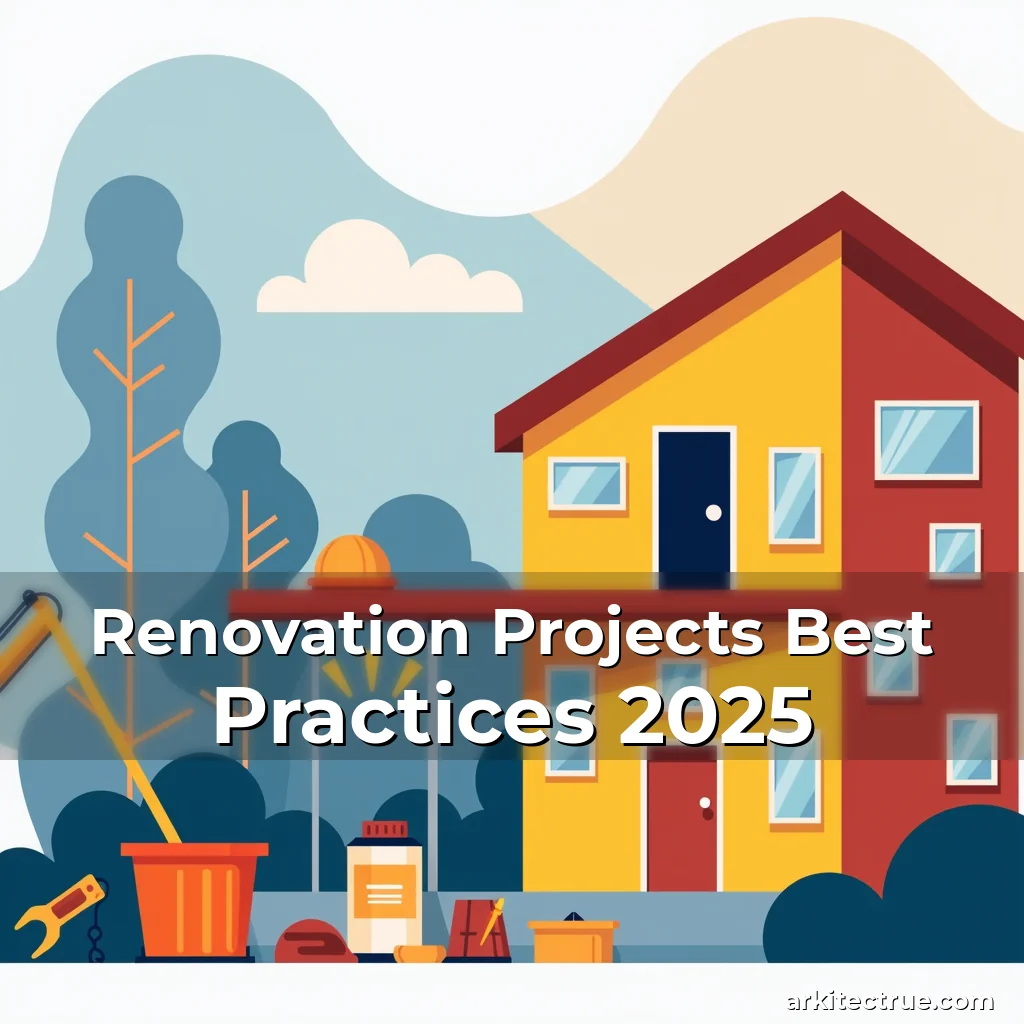
The Evolution of Renovation Methodologies in Modern Architecture
In recent years, renovation methodologies have shifted toward integrating advanced analytics, energy-efficient systems, and AI-driven design tools. These innovations allow professionals to address complexities in older structures while minimizing environmental impact. For example, thermal imaging now identifies hidden damage before demolition begins, saving time and resources.
A growing trend emphasizes adaptive reuse—transforming outdated spaces into functional environments rather than replacing them entirely. This approach preserves cultural heritage and reduces waste, appealing to eco-conscious clients and regulatory bodies alike. Architects must balance innovation with respect for historical context during these transformations.
Critical considerations include compliance with contemporary building codes, accessibility standards, and safety protocols. Many older homes lack features required today, such as fire-resistant materials or wheelchair ramps. Upgrading these elements ensures legal adherence and enhances usability for diverse populations.
- Data-Informed Decisions: Using sensors and software to monitor space performance helps tailor renovations to real-world conditions, reducing guesswork.
- Sustainable Materials: Recycled steel, low-VOC paints, and reclaimed wood are increasingly preferred for their durability and minimal ecological footprint.
Fundraising Strategies for Large-Scale Renovations
Raising capital remains one of the most challenging aspects of significant renovation endeavors. Traditional financing methods like mortgages or loans may be limited for unconventional projects, requiring alternative solutions. Crowdfunding platforms offer creative avenues for securing funds while building community engagement.
Government grants and tax incentives often target sustainability initiatives, which can significantly offset project costs. Examples include rebates for installing solar panels or certifications for LEED-compliant designs. Partnering with local authorities increases eligibility for funding opportunities.
Leveraging Tax Credits for Historical Preserves
Historic preservation tax credits provide substantial financial relief for restoring listed properties. In the United States, federal programs reimburse up to 20% of eligible rehabilitation expenses for certified historical buildings. Similar schemes exist globally, incentivizing architects to prioritize conservation efforts.
To qualify, projects must adhere to strict guidelines set by agencies like the National Park Service in the U.S. Documentation of original construction dates, approval from review boards, and proof of adherence to preservation standards are mandatory steps. Consulting experts familiar with these regulations is crucial for maximizing benefits.
Evaluating Structural Integrity Before Beginning Work
An initial assessment of a property’s structural health forms the foundation of successful renovations. Neglecting this phase risks costly delays and potential dangers later in the process. Hiring licensed engineers or inspectors is non-negotiable for high-value or complex repairs.
Structural evaluation typically involves analyzing load-bearing walls, roof trusses, flooring systems, and foundations. Advanced tools such as ground-penetrating radar detect subsurface issues invisible to the naked eye, ensuring thorough diagnostics before work commences.
Metrically measuring deflections, cracks, and moisture levels reveals vulnerabilities early on. Subtle signs like sloping floors or damp patches indicate deeper problems that could escalate during renovations. Addressing these concerns upfront prevents further deterioration down the line.
Prioritizing inspections also helps manage expectations among stakeholders regarding budget allocations and timelines. Transparent communication based on data supports trust and collaboration throughout the entire project lifecycle.
Design Trends Influencing Contemporary Renovation Projects
Current renovation design prioritizes multifunctionality and biophilic principles. Spaces are being reimagined to serve dual purposes, such as combining home offices with living areas. At the same time, natural light, greenery integration, and organic textures are central themes in creating serene indoor atmospheres.
Smart technology embedded in interiors offers convenience through voice-controlled lighting, automated climate regulation, and security enhancements. However, retrofitting legacy infrastructure poses technical hurdles. Proper wiring assessments become vital prior to implementation to avoid electrical overload scenarios.
Bold color palettes, modular furniture arrangements, and curated art installations reflect a move towards personal expression within renovated settings. These choices enhance visual interest and emotional connection with users beyond mere functionality.
- Natural Elements: Incorporating stone countertops, wooden accents, and living plants fosters tranquility and connects occupants with nature even indoors.
- Flexible Layouts: Utilizing movable partitions allows interior configurations to evolve alongside changing family dynamics or business needs.
Choosing Contractors and Vendors Wisely for Your Project
Selecting competent subcontractors greatly influences renovation outcomes. Misjudging vendor capabilities leads to subpar results, delayed schedules, or increased labor costs. Verifying licenses, insurance coverage, and past client reviews forms part of due diligence before commitment.
Requesting detailed proposals including cost breakdowns, estimated completion times, and contingency plans helps establish clear benchmarks for progress tracking. Comparing bids across multiple firms encourages competitive pricing without compromising quality.
Engaging local craftsmen adds value via personalized service and better alignment with regional building customs. However, international suppliers might offer specialized skills or materials unavailable domestically. Balancing these options depends on project scope requirements.
Demanding references from previous works showcases reliability factors that testimonials cannot fully capture. Visiting completed sites gives tangible insight into craftsmanship level compared to textual descriptions alone.
Implementing Energy Efficiency Improvements During Renovation
Energy audits reveal inefficiencies in existing HVAC systems, insulation ratings, windows, doors, and roofing assemblies. Identifying weak spots enables targeted upgrades aimed at cutting utility bills substantially post-renovation.
Upgrading to double-glazed or triple-glazed windows dramatically improves heat retention capabilities versus standard models. Installing programmable thermostats further optimizes temperature control according to occupancy patterns, promoting both comfort and savings.
Sealing air leaks around ductwork, plumbing penetrations, and crawlspaces minimizes conditioned air loss year-round. Sealed vapor barriers beneath slabs prevent mold growth from excessive humidity accumulation—an especially pertinent concern for basements prone to flooding.
Integrating renewable power sources like rooftop photovoltaics or geothermal heating presents longer-term financial gains despite higher initial outlays. Calculating payback periods assists owners in evaluating viability against traditional fossil fuel reliance strategies.
Ensuring Compliance With Current Building Regulations And Standards
Adhering strictly to zoning laws governs land use restrictions impacting renovators aiming to extend footprints or alter facade appearances. Failing to secure required variances subjects violators to fines, permits revocation, or forced reversal of unauthorized changes.
Fire safety provisions dictate minimum egress window sizes, sprinkler system installation mandates, smoke detector placements, and accessible pathways for emergency services. Inspections confirm compliance status following municipal fire department evaluations upon completion.
Local health departments impose ventilation specifications particularly relevant for kitchens and bathrooms equipped with gas appliances. Meeting prescribed airflow rates through exhaust fans prevents carbon monoxide poisoning hazards and indoor pollution buildup.
Accessibility legislation requires universal design features like grab bars near showers, contrasting floor markers identifying stairs locations, and wider doorway thresholds enabling easy navigation by individuals using mobility aids.
Managing Waste Streams Throughout The Renovation Process
Proper categorization and disposal routines safeguard against illegal dumping penalties and landfill overcrowding. Separately sorting recyclables, hazardous substances, bulk materials facilitates responsible offsite handling procedures aligned with local ordinances.
Donation drives organized with neighborhood thrift stores give usable items second lives while decreasing refuse tonnage transported elsewhere. Coordinating pickup times with volunteers ensures efficient removal of donated goods once sorted through collection bins located strategically near worksites.
Composting food scraps collected from demo phases generates nutrient-rich soil amendments useful landscaping ventures initiated after renovations conclude. Compost piles managed correctly deter pests attracted primarily to unprocessed organics left exposed outdoors unprotectedly.
Recycling electronics containing heavy metals requires specialized processors due to environmental protection agency directives governing toxic chemical release potential. Arranging drop-offs at certified e-waste recycling centers avoids contaminating ordinary trash streams improperly handled by less experienced operators.
Creating Detailed Project Timelines And Milestones
Breakdown schedules divided into distinct phases enable clearer accountability tracking among team members assigned different tasks. Setting realistic deadlines accounts accurately for holidays, permit processing lags, material lead times, and unexpected setbacks disrupting ideal sequencing.
Software applications streamline Gantt chart creation allowing visual representation of overlapping activities against calendar constraints. Real-time updates notify all stakeholders instantly whenever scheduled milestones experience rescheduling requests caused by external variables affecting operations calendars.
Established checkpoints facilitate periodic progress assessments comparing actual achievements against forecast projections stored digitally via cloud computing platforms accessible anywhere internet connectivity exists securely.
If variance analysis indicates imminent timeline breaches exceeding acceptable tolerances range, prompt intervention measures adjust remaining durations dynamically preventing total project failure occurrences resulting from insufficient buffer allowances initially allocated conservatively optimistic estimates.
Communicating Effectively With Stakeholders Involved In The Renovation
Regular town hall meetings keep invested parties apprised of ongoing developments impacting project scopes financially, spatially, temporally. Preparing agendas outlining agenda topics beforehand ensures focused discussions centered solely around business objectives rather than idle conversation deviating core priorities.
Email distributions featuring photo logs capturing sequential transformation stages reinforce transparency cultivating confidence among beneficiaries expecting consistent visibility into resource utilization efficiency metrics relative return investments sought originally proposed goals outlined prospectus documentation submitted initiation stage approvals.
Conducting informal walkthroughs invites feedback from future residents experiencing newly developed environments firsthand generating direct observations translating into actionable improvements benefiting subsequent occupants navigating similar renovations elsewhere within greater geographical regions sharing comparable demographics profiles.
Voice-to-text recording technologies transcribe verbal exchanges preserving verbatim records facilitating accurate recall circumstances arising dispute resolution situations necessitating documented evidence proving allegations either true or unsubstantiated claims made erroneously misrepresenting reality occurring contradictory interpretations generated differing perspectives attempting reconcile divergent viewpoints mutually satisfactorily resolutions.
Post-Renovation Evaluation And Continuous Improvement Opportunities
Collective surveys administered shortly after project handover gauges satisfaction levels concerning delivered product matching expectation set benchmarks communicated preconstruction agreement stipulations outlining deliverables promised exchanged consideration payments rendered upfront secured contractual obligations binding legal commitments enforceable judicial recourse available enforcing penalties incurred breaching covenants violating clauses contained original offering documents signed counterparts agreeing terms conditions precedent commencement activity undertaken execution processes implemented operational implementations realized physical manifestations completed final installations concluded last remaining works finalized closure events celebrated achievement attained desired outcome obtained intended result achieved ultimate goal fulfilled promises kept.
Analyzing performance data gathered from installed smart devices evaluates effectiveness of newly incorporated energy-saving mechanisms predicting maintenance intervals optimizing asset longevity reducing replacement frequencies increasing equipment lifespan achieving cost efficiencies surpassing projected returns on capital expenditures deployed initiating additional investment cycles enhancing portfolio diversification expanding market share penetration attaining dominant positioning sector leadership roles influencing industry standard setting practices dictating emerging trends shaping tomorrow’s built environment visions actualized today through conscientious planning executed diligently.
Conclusion
Renovation projects require meticulous attention to detail, from conceptual vision articulation through precise execution culmination final touches defining lasting impression endured decades afterward becoming integral fabric surrounding communities enriched through thoughtful transformation journeys embarked countless individuals pursuing renewed purpose revitalizing dormant potentials latent awaiting awakening through dedicated effort channelled effectively towards meaningful change catalyzed inspired actions driven passionate advocacy championed visionary leaders illuminating path forward embracing future possibilities unfolding everyday moments lived shared experiences cherished collectively forged enduring connections strengthening bonds linking generations bridging past present futures harmoniously entwined.
Whether your ambition lies in small-scale refreshes or massive reconstructions reshaping skylines, adopting these best practices guarantees success amidst ever-changing architectural paradigms adapting fluidly evolving global landscapes demanding continual reinvention embracing innovation celebrating tradition coexisting symbiotically forging equilibrium between novelty nostalgia crafting living spaces reflecting individual identities collective aspirations simultaneously.

news is a contributor at ArkitecTRUE. We are committed to providing well-researched, accurate, and valuable content to our readers.
You May Also Like



Related Posts
Quick Renovation Projects Solutions Under 30 Minutes
June 11, 2026
Renovation Projects for Beginners: Getting Started
June 6, 2026

Best Renovation Projects Tips and Strategies
June 7, 2026