
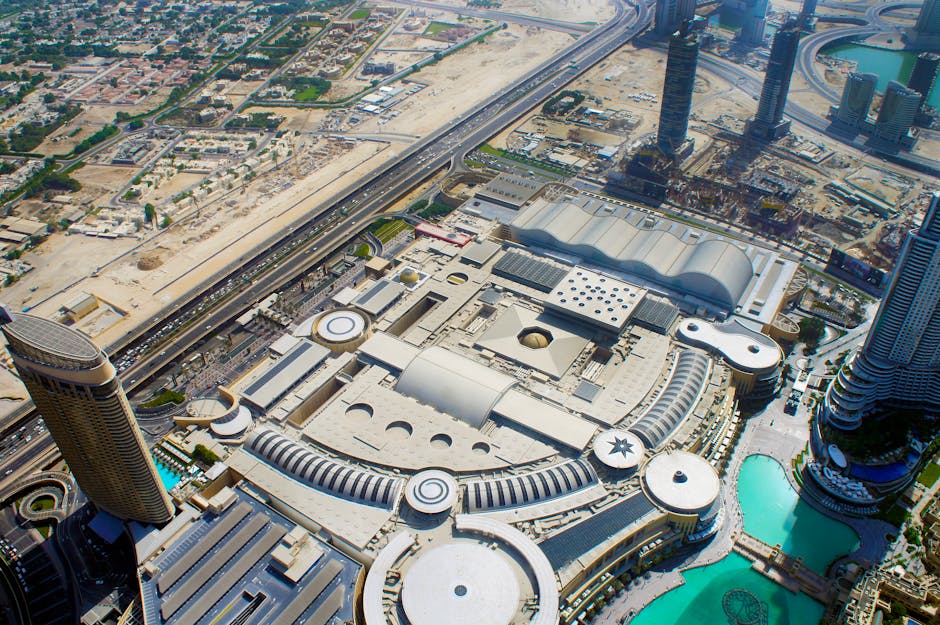
The Future of Urban Development: Innovations Shaping Tomorrow’s Cities
In an era defined by rapid technological advancements and increasing global populations, urban development has emerged as both a challenge and an opportunity. As cities expand at unprecedented rates, architects, planners, and policymakers are redefining what sustainable and livable urban environments look like.
This exploration delves into the transformative forces shaping modern urban landscapes—from smart infrastructure to resilient design—while addressing critical issues such as housing affordability, environmental impact, and social equity. By examining these elements, we can better understand how today’s decisions will shape tomorrow’s cities.
The Evolution of Urban Planning
Urban development is not a new concept; its roots trace back to ancient civilizations that established structured city layouts. However, contemporary urban planning integrates advanced technologies and data-driven approaches to create functional, efficient, and aesthetically pleasing spaces.
The shift from traditional top-down models to collaborative, participatory frameworks marks a significant evolution in how cities grow and adapt. This change reflects a growing recognition that successful urban development requires input from diverse stakeholders, including residents, businesses, and local governments.
Historical examples, such as Haussmann’s renovation of Paris in the mid-19th century, showcase early attempts to transform dense, chaotic urban areas into organized, navigable environments. These efforts laid the groundwork for modern urban planning principles that emphasize functionality, aesthetics, and public accessibility.
- Data-Driven Decision Making: Modern urban planners leverage big data analytics to optimize traffic flow, manage resources efficiently, and predict future needs based on population trends.
- Sustainable Design Principles: Emphasis on green building materials, energy-efficient systems, and waste reduction strategies ensures that new developments align with long-term ecological goals.
Smart Infrastructure: Building the Digital City
One of the most transformative aspects of modern urban development is the integration of smart infrastructure. Smart cities utilize interconnected digital networks to enhance efficiency, sustainability, and quality of life for their inhabitants.
These intelligent systems range from IoT-enabled streetlights that adjust brightness according to pedestrian activity to AI-powered traffic management solutions that reduce congestion and emissions. Such innovations demonstrate how technology can be harnessed to address complex urban challenges.
Moreover, smart grids and renewable energy sources play a crucial role in reducing carbon footprints while ensuring reliable power supply during peak demand periods. These advancements highlight the potential for cities to become self-sustaining ecosystems.
The implementation of 5G networks further accelerates the capabilities of smart infrastructure, enabling real-time communication between various components of the urban environment. This connectivity facilitates predictive maintenance and proactive problem-solving across different sectors.
Eco-Friendly Architecture: Designing for Sustainability
Eco-friendly architecture represents a paradigm shift in urban development, prioritizing environmental responsibility without compromising aesthetic appeal or functionality. Green buildings incorporate natural ventilation, solar panels, rainwater harvesting systems, and other innovative features to minimize resource consumption.
A prime example of this approach is Singapore’s Marina Barrage, which serves dual purposes as a freshwater reservoir and a recreational space. Its design illustrates how multifunctional structures can contribute positively to both ecology and urban living.
Beyond individual buildings, entire neighborhoods are being designed with sustainability in mind. Concepts like mixed-use zoning encourage walkability and reduce reliance on private vehicles, thereby decreasing pollution levels significantly.
Green roofs and vertical gardens have also gained popularity due to their ability to insulate buildings naturally while improving air quality through photosynthesis processes. These biophilic designs foster healthier urban environments and promote biodiversity within concrete jungles.
Furthermore, advances in construction materials—such as cross-laminated timber (CLT) and recycled composites—are making eco-conscious choices more feasible than ever before. Architects now have access to tools that allow them to create durable yet environmentally friendly structures.
Housing Affordability Challenges in Growing Metropolises
Rising property prices and limited availability pose serious threats to housing affordability in many metropolitan regions worldwide. Rapid gentrification often displaces lower-income communities, exacerbating socioeconomic disparities within urban centers.
To combat this issue, some cities have implemented policies aimed at preserving affordable housing stock. Rent control measures, inclusionary zoning mandates, and subsidies for low-income families help ensure that diverse demographic groups can reside comfortably within developed areas.
Creative solutions such as modular homes constructed off-site offer promising alternatives for rapidly expanding cities facing spatial constraints. Prefabrication techniques enable faster deployment times while maintaining high standards of craftsmanship.
Public-private partnerships represent another viable strategy for addressing housing shortages. Collaborative initiatives involving government agencies, developers, and non-profit organizations facilitate investment in underutilized land parcels suitable for residential projects.
Additionally, micro-apartment units tailored specifically for single occupants provide compact yet fully functional living arrangements ideal for densely populated zones where space optimization is essential.
Transportation Revolution: Redefining Mobility in Cities
Modern transportation systems form the backbone of any thriving metropolis. As urban populations continue to rise, developing efficient mobility networks becomes increasingly vital to accommodate daily commutes and support economic activities seamlessly.
Investments in public transit infrastructure—including subways, buses, trams, and bike-sharing programs—help alleviate road congestion while promoting cleaner modes of transport. Electrified vehicle fleets further contribute to reduced greenhouse gas emissions associated with conventional fuel-based transportation methods.
Pedestrian-friendly streetscapes equipped with wide sidewalks, shaded pathways, and safe crossing points encourage walking as a primary mode of travel among locals and visitors alike. Such interventions foster stronger sense-of-place identities within neighborhoods.
Autonomous vehicles present exciting possibilities for reshaping urban mobility patterns. Their widespread adoption could lead to optimized routing algorithms that dynamically adjust routes depending upon current traffic conditions and passenger demands.
Drones are also emerging as potential game-changers in last-mile delivery services, particularly beneficial for e-commerce operations aiming to deliver goods quickly without contributing excessively to vehicular traffic volumes.
Social Equity Considerations in Urban Growth
Equitable distribution of resources remains central to achieving inclusive urban growth. Ensuring fair access to amenities such as healthcare facilities, educational institutions, grocery stores, parks, libraries, and cultural venues helps prevent spatial segregation along income lines.
Community engagement plays a pivotal role in designing equitable urban environments. Involving residents throughout the planning process fosters ownership over developmental outcomes and increases likelihoods of project success when aligned closely with localized needs.
Addressing systemic inequalities requires targeted investments in historically underserved districts. Redevelopment plans should prioritize job creation opportunities alongside improved physical infrastructures so that marginalized populations benefit meaningfully from urban progress.
Universal design principles advocate for creating accessible environments regardless of age, ability, or background. Implementing barrier-free entrances, tactile paving surfaces, audible signals at intersections, and multi-modal transportation hubs exemplify commitment towards universal inclusivity.
Fostering diversity through cultural programming and artistic expressions enhances vibrancy within urban settings. Public art installations celebrating heritage narratives enrich communal experiences while reinforcing shared values across differing demographics.
Climate Resilience Strategies for Future Cities
With climate change posing existential risks to coastal megacities around the globe, integrating resilience strategies into urban development practices has never been more urgent. Rising sea levels threaten millions residing near shorelines necessitating adaptive architectural responses.
Coastal defenses such as seawalls reinforced with vegetation serve dual functions—as protective barriers against storm surges while simultaneously supporting marine ecosystems through habitat restoration efforts. Floating neighborhoods constructed above water level represent futuristic adaptations accommodating projected inundation scenarios.
Urban heat island mitigation tactics involve incorporating reflective surfaces onto rooftops and pavements, planting tree canopies strategically within built forms, and utilizing evaporative cooling mechanisms embedded inside building facades themselves.
Water-sensitive urban design emphasizes capturing rainfall runoff effectively via permeable pavements, bioswales filtering pollutants from surface waters, and underground cisterns storing harvested precipitation for later use during dry spells.
Early warning systems integrated within municipal emergency response protocols enhance preparedness against extreme weather events like hurricanes or flash floods. Community education campaigns raise awareness regarding evacuation procedures ensuring swift dispersals when necessary.
Technology Integration in Contemporary Urban Spaces
The seamless fusion of cutting-edge technologies into everyday urban experiences continues transforming how people interact with their surroundings. From augmented reality overlays guiding pedestrians through unfamiliar territories to interactive kiosks providing real-time information updates on nearby attractions,
IoT sensors deployed throughout cityscapes collect vast amounts of operational data used for predictive modeling exercises concerning everything ranging from electricity grid performance metrics down even to predicting crime hotspots accurately enough ahead of time.
Blockchain applications streamline transaction processes related to rental agreements, property transfers, and service payments securely eliminating intermediaries’ involvement altogether thus enhancing transparency levels significantly compared to legacy financial systems.
Artificial intelligence powered chatbots assist citizens navigating bureaucratic hurdles effortlessly resolving queries pertaining licensing requirements, permit acquisitions, etc., within minutes instead of days spent waiting through traditional channels.
Virtual reality simulations aid architects visualizing proposed developments realistically before actual ground-breaking occurs allowing stakeholders review alterations conveniently remotely saving costs otherwise incurred traveling physically.
Future Trends Influencing Next Generation Cities
Emerging trends suggest radical transformations looming ahead for next-generation cities driven largely by convergent technological breakthroughs intersecting with evolving societal expectations surrounding work-life balance dynamics and personal freedoms.
Decentralization tendencies indicate declining dependency upon centralized authorities favoring localized governance structures capable responding swiftly regional crises independently rather than relying distant bureaucracies delayed decision-making cycles.
Hybrid workplace models redefine commuting habits reducing necessity frequent office visits hence easing pressure already strained transit networks considerably lessening overall traffic burdens experienced previously.
Biophilic urbanism advocates embedding nature deeply within constructed environments promoting psychological well-being observed improvements mental health indicators correlated increased exposure verdant greenery indoor/outdoor settings.
Circular economy principles guide material usage emphasizing recycling/reusing existing stocks minimizing extraction virgin raw materials thus drastically lowering environmental degradation caused resource depletion globally.
Conclusion
As we stand at the precipice of profound changes affecting our urban fabric, embracing innovation becomes imperative for crafting cities that thrive amidst uncertainty brought forth continuous globalization pressures and climate volatility.
By adopting forward-thinking approaches rooted sound scientific research combined empathetic understanding human needs, we possess capacity build resilient vibrant societies harmoniously coexisting natural world without sacrificing comfort convenience afforded modern lifestyles.

news is a contributor at ArkitecTRUE. We are committed to providing well-researched, accurate, and valuable content to our readers.
You May Also Like
Related Posts
Advanced Urban Development Techniques and Methods
November 21, 2025
Urban Development on a Budget: Money-Saving Tips
April 9, 2026
Professional Urban Development: Advanced Techniques
April 10, 2026