
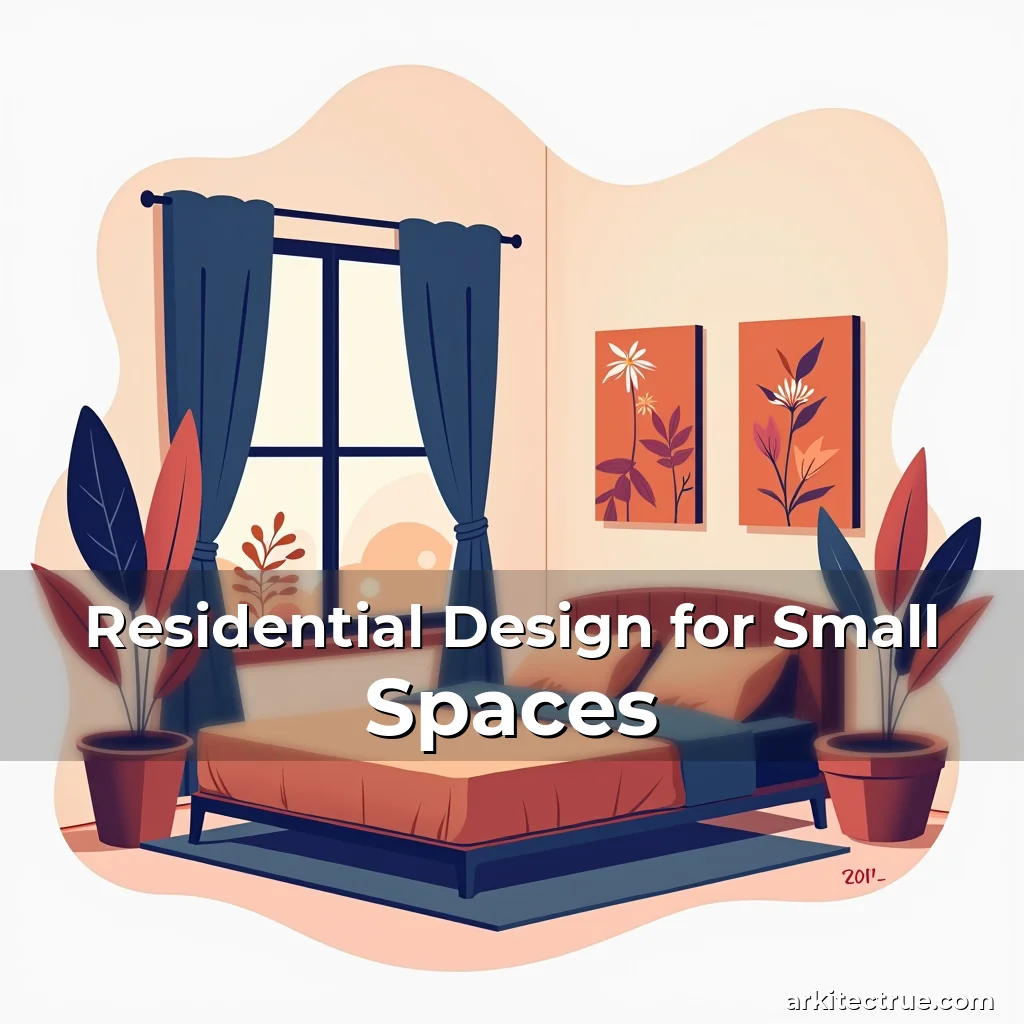
Maximizing Space: Creative Residential Design Strategies for Compact Living
In today’s fast-paced world, residential design has evolved far beyond mere aesthetics—it now focuses heavily on function, especially in urban settings where space is at a premium. As cities grow denser and housing costs rise, homeowners and renters alike seek ways to optimize every inch of their living quarters.
This shift has given birth to a new era of residential architecture centered on innovation, adaptability, and resourcefulness. Whether you’re renovating a studio apartment or reimagining a tiny house, thoughtful design decisions can transform constrained spaces into vibrant, livable environments.
Understanding Spatial Constraints
Before diving into creative solutions, it’s essential to understand what defines a “small” residential space. Typically, anything below 600–800 square feet qualifies as compact, but even larger homes may face layout issues due to inefficient floor plans or outdated designs.
The challenge lies in balancing comfort, privacy, and utility within tight boundaries. A common misconception is that smaller spaces must sacrifice luxury or convenience. However, intelligent planning and modern technologies prove otherwise.
- Dead Space Utilization: Every corner, ceiling height, and wall surface offers potential for storage or multifunctional use. Built-ins, lofted beds, and hidden compartments eliminate wasted real estate.
- Circulation Zones: Clear pathways are critical to avoid clutter. Furniture placement should prioritize movement rather than filling gaps with unnecessary items.
Design Principles for Efficient Layouts
Efficient residential design begins with a clear understanding of zoning. Divide your space into distinct yet interconnected areas—living, sleeping, cooking, and working—without rigid walls. Open-concept layouts enhance visibility and airflow, creating a sense of openness.
Mirrors, glass partitions, and light-colored finishes amplify perception of size. These elements reflect light and visually expand confined areas, tricking the eye into seeing more space than exists physically.
The Role of Flexibility
Flexibility is paramount in small-space living. Modular furniture, fold-out tables, and convertible seating allow rooms to morph throughout the day. For instance, a dining table can double as a workspace during off-hours.
Customizable shelving units and movable dividers enable users to rearrange interiors as needs change. This adaptability prevents stagnation and keeps the home feeling fresh and purposeful.
Material Selection for Small Spaces
The choice of materials significantly impacts the ambiance and usability of compact residences. Light, breathable textures like linen fabrics or smooth ceramic tiles create a serene atmosphere. Dark, heavy materials can overwhelm narrow areas, so opting for lighter shades is wise.
Built-in cabinetry maximizes storage without sacrificing style. Floating shelves save floor space while displaying curated collections, adding personality without bulkiness. Natural wood tones provide warmth, contrasting effectively with cool grays and whites.
Leveraging Vertical Space
Verticality is the unsung hero of small-space design. Ceiling-mounted storage solutions, overhead cabinets, and lofted bed frames free up ground area for daily activities. Think creatively about every available surface—the back of doors, undersides of stairs, and even window sills can hold organized essentials.
Multi-tiered bookcases, hanging planters, and rail-mounted organizers extend reach upwards. These additions not only store items but also contribute to a cohesive, aesthetically pleasing interior.
Innovative Storage Solutions
Storage is often the biggest hurdle in small homes. Hidden compartments beneath flooring, inside walls, or behind decorative panels offer discreet solutions. Custom closet systems with pull-out drawers and adjustable rods maximize accessibility for clothing and accessories.
Pull-down desks, Murphy beds, and fold-away chairs exemplify how furniture itself can serve dual purposes. When not in use, these items vanish into the background, preserving visual clarity and reducing clutter.
Lighting Strategies for Illusion of Space
Natural light remains the most effective tool for expanding perceived space. Large windows, skylights, and sheer curtains invite sunlight indoors, minimizing shadows and enhancing brightness. Reflective surfaces like white paint and metallic accents bounce light across rooms, amplifying openness.
Artificial lighting complements natural sources. Recessed ceilings lights, track lighting, and LED strips add depth without overpowering. Dimmer switches allow mood adjustments, ensuring functionality matches aesthetic goals regardless of the hour.
Smart Technology Integration
Modern technology plays a pivotal role in optimizing small spaces. Smart thermostats, motion-sensor lights, and voice-controlled assistants streamline operations while conserving energy. Integrated systems reduce the need for bulky devices, keeping countertops clean and uncluttered.
Retractable screens, automated blinds, and wireless charging stations exemplify minimalist tech integration. These innovations maintain sleek appearances while providing advanced conveniences tailored to compact living needs.
Personalization Without Clutter
Adequate personal expression is possible even in minimalistic designs. Curated art, bold accent colors, and statement rugs inject character without overwhelming scale. Avoid overcrowding with knick-knacks; instead, select a few meaningful objects to display prominently.
Drywall textures, patterned wallpapers, and layered textiles add dimensionality. Strategic mixing of styles—industrial with Scandinavian, for example—creates a dynamic environment that feels lived-in yet intentional.
Sustainable Practices in Small-Space Design
Eco-friendly materials and practices benefit both the planet and the homeowner’s wallet. Recycled composites, low-VOC paints, and reclaimed wood contribute to healthier indoor air quality. Energy-efficient appliances minimize utility bills while supporting environmental responsibility.
Green roofs, rainwater harvesting systems, and passive solar heating represent sustainable advancements applicable even to modest dwellings. Incorporating these features elevates design value while promoting long-term savings and ecological awareness.
The Future of Residential Design Trends
Emerging trends suggest continued emphasis on modularity and hybrid living. Tiny houses, micro-apartments, and co-living models cater to evolving demographic preferences. Architects experiment with foldable structures and biophilic designs that merge nature with urban environments seamlessly.
Advancements in AI-driven design tools empower individuals to visualize and customize interiors digitally before construction starts. Virtual reality walkthroughs ensure satisfaction early in the process, reducing costly revisions later.
Conclusion
Residential design for small spaces demands ingenuity, precision, and a deep appreciation for functionality. By applying the principles outlined—from material selection to technological integration—you can craft a home that thrives despite its dimensions.
Embrace the challenge as an opportunity to innovate. With careful planning and creative problem-solving, every limitation transforms into a canvas for extraordinary design possibilities.

news is a contributor at ArkitecTRUE. We are committed to providing well-researched, accurate, and valuable content to our readers.
You May Also Like


Related Posts


Project Architect Los Angeles CA US Jobs
April 4, 2025
Quick Residential Design Solutions Under 30 Minutes
April 24, 2026