
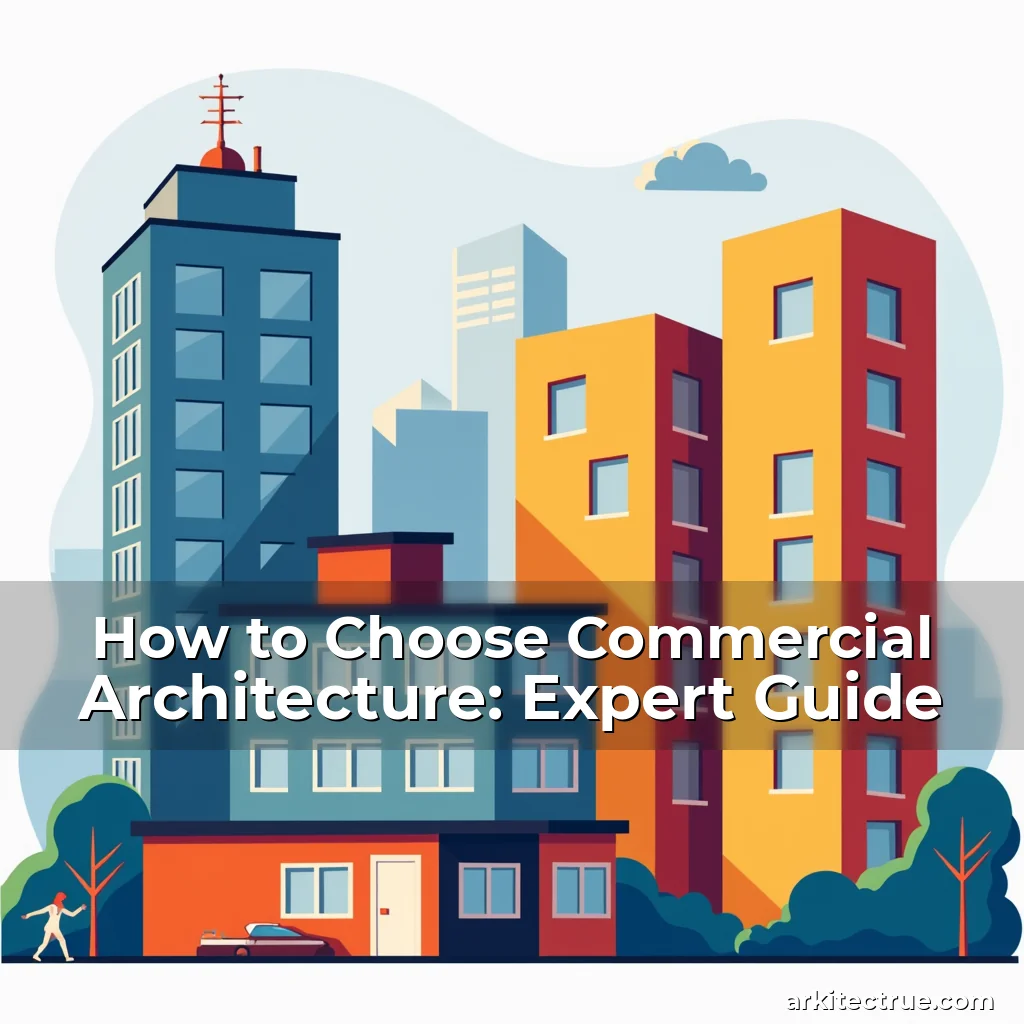
Designing Success: A Comprehensive Guide to Commercial Architecture Practices
In today’s rapidly evolving built environment, commercial architecture serves as a cornerstone of economic activity and societal function. From towering skyscrapers to sleek office spaces and vibrant retail centers, commercial architecture shapes our daily experiences in ways often unnoticed yet profoundly impactful.
This guide delves into the multifaceted world of commercial architecture, offering insights into design philosophies, emerging trends, regulatory frameworks, and innovative technologies reshaping the field. Whether you’re a developer seeking guidance or a student exploring career paths, this overview provides a roadmap to understanding one of architecture’s most dynamic disciplines.
Unveiling the Foundations of Commercial Design
The foundation of successful commercial architecture lies in meticulous planning that balances aesthetics with functionality. Architects must consider numerous variables including site location, client objectives, intended occupants, and long-term sustainability goals before initiating the design phase.
A well-designed commercial space maximizes available square footage while promoting productivity and comfort. For instance, open-plan layouts can foster collaboration in office settings whereas strategically placed signage improves visibility in retail environments.
The choice of materials plays a pivotal role in achieving both durability and visual harmony. Steel and concrete provide robust structural solutions, while glass facades enhance natural light penetration. However, material selection extends beyond mere structural utility – it significantly influences brand identity and occupant experience.
- Spatial organization: Efficient floor planning minimizes wasted space and facilitates smooth traffic flow patterns.
- Ergonomic design: Consideration of human physiology ensures workspaces promote health rather than hinder it.
- Environmental resilience: Designs must withstand weather extremes and accommodate future expansions or reconfigurations.
The integration of green building techniques has become increasingly vital due to rising awareness about climate change mitigation efforts. Incorporating features like rainwater harvesting systems, solar panel installations, and passive cooling mechanisms contributes positively to both ecological preservation and operational cost savings.
Architectural styles vary widely depending upon cultural contexts, regional preferences, and historical influences. While some contemporary projects embrace minimalism through clean lines and neutral palettes, others draw inspiration from traditional forms to establish nostalgic connections with surrounding communities.
Navigating Contemporary Trends Shaping Modern Commercial Spaces
Current industry movements reflect significant shifts toward experiential and flexible interiors that cater to evolving business models. Open-concept workspaces with modular furniture arrangements now dominate corporate landscapes, allowing teams to easily reconfigure their surroundings based on project demands.
Retail environments continue transforming with immersive store concepts aimed at creating memorable customer interactions. Advanced lighting schemes combined with interactive displays engage shoppers’ senses beyond merely showcasing products on shelves.
Mixed-use developments represent another growing trend where residential complexes integrate seamlessly with commercial entities below them. This approach enhances convenience for residents and promotes economic vibrancy through extended operating hours at ground level businesses.
Evolving Standards in Sustainable Development
Recent statistical analyses reveal that LEED-certified buildings consume 25% less energy compared to conventional counterparts. Such data underscores increasing pressure on professionals to incorporate environmentally conscious practices across various scales of development projects.
Moreover, net-zero carbon emissions targets imposed by governments worldwide necessitate architects adopting advanced insulation methods along with renewable energy sources. Smart grids capable of adjusting electricity consumption according to demand fluctuations play a crucial role in reducing peak load stressors on power networks.
Digital tools facilitate simulation processes enabling designers to test energy performance metrics virtually prior to implementation. Software platforms now allow creation of highly accurate three-dimensional models predicting heat distribution patterns influenced by exterior orientations and internal partition placements.
Beyond initial construction phases, ongoing facility management relies heavily on IoT-enabled sensors monitoring indoor air quality parameters. Real-time tracking allows immediate adjustments addressing issues related to humidity levels or ventilation adequacy promptly preventing costly remediation interventions later.
Crafting Purposeful Interiors Through Thoughtful Design Decisions
Interior architecture constitutes equally vital aspect of commercial ventures influencing employee morale and consumer behavior alike. Selecting appropriate color schemes can subtly affect mood – warm hues tend to encourage relaxation in hospitality zones while cooler tones enhance concentration capabilities in academic institutions.
Furniture arrangement dictates social dynamics within shared working areas. Circular tables configured centrally facilitate spontaneous idea exchanges among team members compared to linear setups reinforcing hierarchical communication flows typically observed in managerial suites.
Acoustic engineering deserves particular attention especially in multi-functional venues housing both private meetings and public events simultaneously. Implementing sound-absorbing ceiling tiles alongside strategic placement of dividers mitigates noise pollution considerably improving overall usability regardless of occupancy densities encountered hourly basis.
Mastering Spatial Planning Across Diverse Business Models
Varying requirements exist among distinct sectors necessitating customized approaches when designing commercial properties. Healthcare facilities prioritize infection control through controlled airflow systems whereas educational institutions emphasize flexibility supporting varied teaching methodologies ranging from lectures to group discussions.
Grocery stores exemplify efficient merchandising techniques maximizing sales conversion rates by placing impulse buys near checkout counters and positioning high-margin items prominently within sightlines of customers navigating aisles frequently traversed paths.
Co-working spaces embody present-day entrepreneurial culture favoring adaptable environments accommodating independent contractors and small startups requiring temporary desk rentals. Their layouts usually feature configurable pods equipped with video conferencing gear permitting remote participants join virtual sessions effortlessly.
Strategic Budget Management in Commercial Construction Projects
Adequate financial foresight prevents unnecessary complications during execution stages when unexpected expenses arise challenging planned timelines and allocated resources. Engaging experienced consultants early facilitates identification of potential risks minimizing post-initiation surprises impacting bottom-line profitability prospects negatively.
Value engineering emerges as essential strategy for optimizing capital expenditures without sacrificing quality outcomes achieved. By scrutinizing non-critical components susceptible to cost reductions while preserving core functionalities, developers obtain substantial savings contributing towards higher returns realized faster timeframes.
Financing options differ substantially depending upon property scale – institutional investors commonly fund large-scale mall developments while private equity groups might specialize in hotel franchising opportunities presenting recurring revenue streams beneficially structured loan amortizations.
Compliance Requirements Governing Legal Parameters
Fulfilling regulatory mandates safeguards against legal repercussions arising from infractions concerning zoning violations or outdated building standards still being enforced in certain jurisdictions. Regular consultations with municipal authorities maintain alignment between envisioned blueprints and applicable statutory conditions restricting permissible alterations post-occupancy periods.
Accessibility guidelines ensure inclusivity benefits users belonging diverse mobility statuses – ramps incorporated throughout entrances along side wide doorways facilitating wheelchair access demonstrates conscientious regard toward universal design principles promoted globally by disability advocacy organizations striving equal participation rights preserved intact universally.
Fire protection protocols encompass mandatory provisions covering sprinkler system installations, smoke detection networks, emergency exit configurations fulfilling minimum egress capacity specifications prescribed nationally recognized life safety codes mandatorily required for approval granting operation permits issued upon completion.
Leveraging Technological Innovations for Enhanced Performance Metrics
Advancements in Building Information Modeling (BIM) revolutionize traditional drafting procedures providing multidimensional visualizations aiding decision-making regarding complex assemblies involving steel framing systems interacting with curtain wall glazing interfaces amidst seismic zone considerations prevalent coastal regions facing tectonic plate movement threats regularly monitored geophysicists utilizing satellite telemetry assessments predicting ground motion probabilities accurately informing risk evaluation calculations essential insurance pricing determinants calculated actuarially assessing probable losses.
Smart building automation systems manage hvacr heating ventilating air conditioning operations efficiently responding dynamically shifting thermal loads detected occupancy sensors identifying presence absence indicators triggering pre-programmed temperature setpoints adjusting accordingly conserving energy unnecessarily spent otherwise dissipating into atmosphere depleting finite fossil fuel reserves accelerating global warming trajectories projected IPCC scenario models suggesting disastrous consequences awaiting mitigation strategies implemented urgently through policy initiatives.
Integrated digital twins represent cutting edge technique wherein complete replicas operated concurrently live sites monitor real-time performance contrasting predicted behaviors exposing discrepancies pinpointing root causes facilitating timely corrective actions averting catastrophic failures threatening lives asset values invested stakeholders relying dependable infrastructures serving critical services indispensable modern civilization dependent upon reliable utilities uninterrupted connectivity maintained consistently irrespective geographical dispersion challenges faced interconnected world networked devices exchanging information instantaneously despite temporal spatial variances existing naturally occurring phenomena inherently unpredictable unless forecasted statistically analyzed comprehensively understood through rigorous scientific investigation yielding precise predictions actionable insights guiding informed decisions made proactively rather than reactively once crises emerge unforeseen circumstances escalating into full-blown disasters potentially irreversible damage inflicted irreparably.
Augmented reality overlays enable prospective buyers visualize proposed modifications superimposing translucent layers onto actual locations evaluating design feasibility instantly modifying dimensions scaling sizes comparing alternatives instantaneously without physical prototypes constructed consuming precious time money consumed resources better utilized elsewhere generating greater ROI measurable quantitatively analytically derived metrics confirming efficacy superiority over obsolete conventional means incapable rendering comparable outputs economically viable affordable scalable sustainable long-term investments.
Pursuing Excellence Throughout Lifecycle Phases
Successful commercial architecture transcends initial conception reaching maturity through meticulous adherence to best practices maintained continuously throughout entire lifecycle spanning ideation design development procurement execution occupancy operations decommissioning repurposing. Each stage demands specialized expertise ensuring seamless transitions optimizing value proposition realized incrementally benefiting all parties involved stakeholder relationships fortified trust cultivated strengthening partnerships fostering collaborative innovation propelling industry forward together towards common goals pursued collectively wholeheartedly embracing responsible stewardship ethos inherent ethical obligations accepted willingly consciously upheld consistently demonstrably transparently evidenced objectively verifiably accountable manner.
Conclusion
The realm of commercial architecture embodies a complex interplay between artistry and pragmatism demanding continuous learning adapting evolving landscape characterized rapid technological progress persistent regulatory updates fluctuating market dynamics. Professionals excelling thrive through cultivating holistic perspectives integrating technical acumen with empathetic design sensibilities acknowledging broader implications borne decisions taken today affecting generations residing cities decades henceforward.
To excel commercially requires commitment staying abreast latest innovations benchmarking competitors analyzing performance benchmarks refining skillsets acquiring certifications relevant professions elevating industry standards setting benchmarks inspiring emulation encouraging healthy competition driving improvement advancing collective knowledge base benefitting society overall enriched lived experiences enhanced quality assurance achievable through dedicated pursuit excellence relentlessly pursued day-to-day activities making difference tangible everyday people impacted positively indirectly.

news is a contributor at ArkitecTRUE. We are committed to providing well-researched, accurate, and valuable content to our readers.
You May Also Like
Related Posts
Commercial Architecture for Beginners: Getting Started
April 25, 2026
Commercial Architecture Best Practices 2025
April 30, 2026
Commercial Architecture Step-by-Step Tutorial
April 28, 2026