
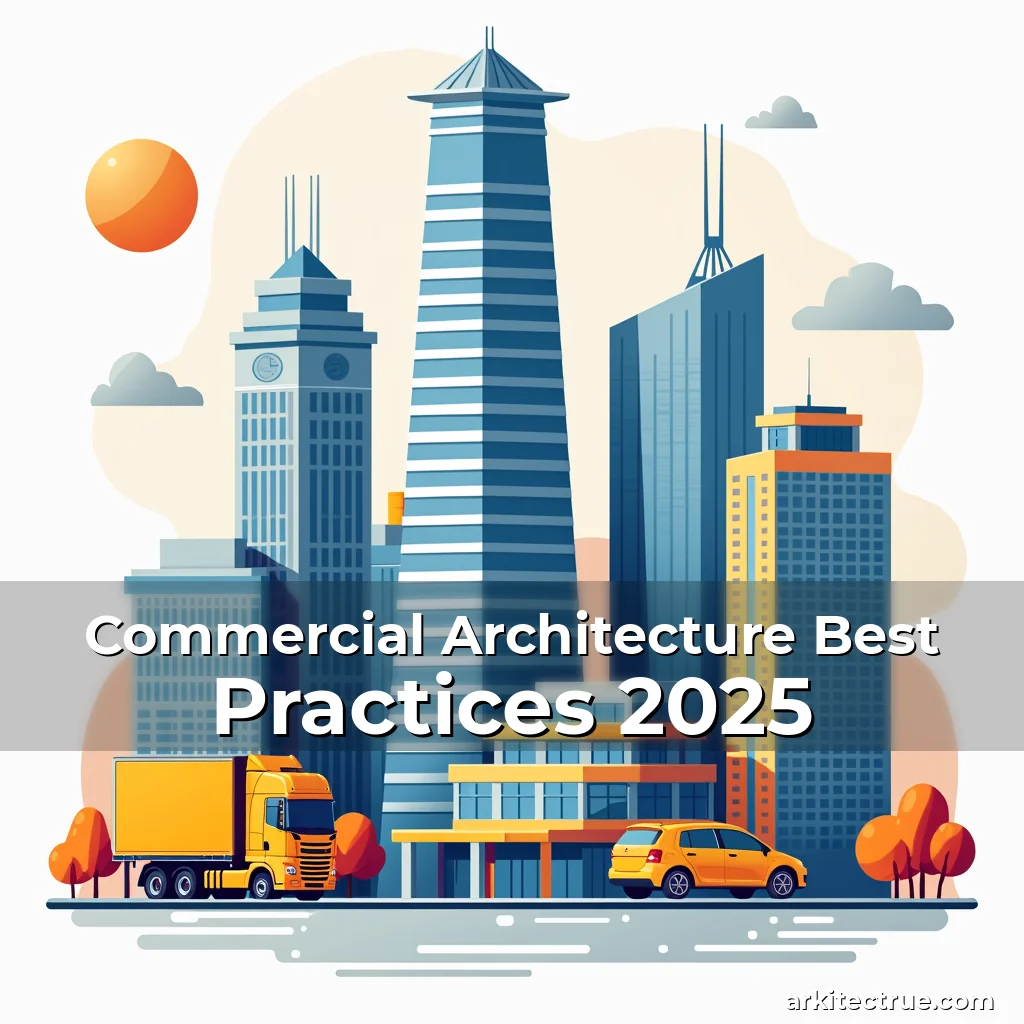
Commercial Architecture Best Practices 2025
In an era where commercial spaces are not only functional but also symbolic of brand identity, architects face unprecedented challenges and opportunities. From sustainability mandates to technological integration, modern commercial architecture demands innovation at every stage.
The year 2025 marks a pivotal moment as we redefine how businesses interact with their environments through design. This guide explores cutting-edge strategies that elevate both aesthetics and functionality within commercial buildings.
The Evolving Role of Commercial Architects
Commercial architects today operate in a landscape shaped by rapid technological advancements and shifting consumer expectations. Their role extends beyond traditional blueprints to encompass digital modeling and sustainable practices.
This transformation has led to a new breed of architect who is equally comfortable with BIM software as they are with green building standards. As urbanization accelerates, these professionals must balance form, function, and environmental responsibility seamlessly.
Architects now collaborate closely with engineers, interior designers, and business strategists from the project’s inception. This multidisciplinary approach ensures that commercial structures meet operational needs while reflecting corporate values visually.
The demand for adaptive reuse projects has surged, prompting architects to innovate in repurposing existing buildings without compromising structural integrity or aesthetic appeal.
- Digital Prototyping: Utilizing advanced CAD tools allows architects to create precise models before construction begins, reducing errors and material waste significantly.
- Sustainable Design Integration: Incorporating passive solar techniques, natural ventilation systems, and energy-efficient materials helps reduce long-term operating costs and environmental impact.
Designing for Functionality and Aesthetics
Modern commercial architecture prioritizes dual objectives—creating spaces that are both visually appealing and highly functional. Achieving this balance requires careful consideration of spatial flow and user experience.
Open-plan layouts have become increasingly popular due to their ability to foster collaboration among employees. However, such designs must include designated quiet zones to accommodate individual work requirements effectively.
A key principle guiding contemporary design is flexibility. Spaces need to adapt easily to changing business needs, whether through movable partitions or modular furniture solutions.
Lighting plays a crucial role in shaping perceptions; strategic placement can enhance productivity while creating inviting atmospheres tailored to different departments’ needs.
Materials selection influences everything from acoustics to maintenance requirements. Choosing durable yet aesthetically pleasing finishes contributes significantly to overall space quality.
Incorporating Technology Into Commercial Designs
The integration of smart technology into commercial buildings is revolutionizing how people use and interact with physical spaces. From automated climate control to AI-driven security systems, tech enhances efficiency and safety.
Voice-controlled interfaces are becoming standard features in executive offices and conference rooms across industries. These technologies streamline operations while minimizing manual interventions required for daily tasks.
IoT-enabled sensors provide real-time data on occupancy levels, temperature fluctuations, and energy consumption patterns, enabling proactive management decisions based on accurate information rather than guesswork.
Data analytics platforms allow facility managers to predict equipment failures before they occur, thereby preventing costly downtime associated with unexpected breakdowns during peak hours.
Augmented reality applications enable virtual walkthroughs prior to finalizing construction plans, helping stakeholders visualize end results accurately and make informed choices early in development cycles.
Sustainability in Contemporary Commercial Projects
Environmental stewardship has moved from being optional to essential in commercial architecture circles worldwide. Green certifications like LEED and BREEAM set benchmarks for eco-friendly construction methods and resource conservation efforts.
Energy-efficient HVAC systems paired with renewable power sources represent significant strides toward carbon neutrality goals established by many corporations aiming for net-zero emissions targets by mid-century.
Rainwater harvesting units combined with grey water recycling mechanisms help minimize reliance on municipal water supplies, thus lowering utility bills and preserving precious freshwater resources globally.
Green roofs and living walls contribute to improved air quality while insulating buildings against extreme weather conditions, ultimately leading to reduced heating/cooling expenses over time.
Implementing circular economy principles encourages reusing discarded construction materials instead of sending them to landfills—an initiative supported by growing public awareness around plastic pollution issues affecting marine life negatively.
- Eco-Friendly Materials: Using reclaimed wood, recycled steel, and low-VOC paints reduces environmental footprint without sacrificing durability or visual appeal.
- Smart Energy Management: Installing motion-sensor lighting and programmable thermostats optimizes electricity usage according to actual occupancy schedules rather than fixed timers.
Cultural Considerations in Global Commercial Development
As businesses expand internationally, understanding local cultures becomes vital when designing commercial properties abroad. Architectural styles often reflect regional traditions which influence spatial organization preferences.
Color symbolism varies widely across cultures—for instance, white signifies purity in Western contexts whereas red represents luck in Chinese culture. Such nuances affect branding consistency when establishing global headquarters or retail outlets.
Linguistic diversity necessitates thoughtful signage solutions incorporating multilingual options without cluttering interiors unnecessarily. Clear communication remains critical regardless of location specifics.
Local regulations governing zoning laws, building codes, and accessibility norms require thorough research before initiating any foreign site development projects.
Community engagement initiatives involving local artisans or craftsmen enrich architectural expressions uniquely tied to each region’s heritage, fostering stronger ties between enterprises and host populations.
Climate-specific adaptations ensure comfort levels remain optimal irrespective of geographical differences—such as using breathable fabrics for curtains in hot climates versus heavy insulation layers suitable for colder regions.
Fostering Innovation Through Collaborative Workspaces
Collaborative workspace design promotes creativity by encouraging spontaneous interactions among teams working towards common objectives. Open areas equipped with flexible seating arrangements facilitate cross-departmental brainstorming sessions efficiently.
Interactive whiteboards connected via cloud services allow remote participants to join meetings virtually, ensuring seamless collaboration even when team members cannot physically attend gatherings simultaneously.
Well-designed break-out zones offer respite from intense concentration periods, supporting mental well-being through periodic relaxation intervals strategically scheduled throughout workdays.
Biophilic elements integrated into office landscapes—including indoor plants, natural light expo
Acoustic treatments designed specifically for open-plan settings prevent excessive noise interference, maintaining ambient sound levels conducive to focused work activities without complete silence.
Future Trends Shaping Commercial Architecture
Advancements in artificial intelligence will continue influencing commercial architecture trends notably through predictive analytics applied to building performance metrics. Machine learning algorithms analyze historical data sets identifying potential inefficiencies ahead of schedule.
Modular construction techniques gaining traction promise faster build times coupled with lower costs compared to conventional methods relying heavily upon on-site labor forces. Prefabricated components assembled offsite arrive ready-for-installation status saving considerable timelines.
Autonomous delivery robots navigating predefined routes inside warehouses demonstrate emerging possibilities for integrating mobility solutions within commercial premises enhancing logistics efficiency substantially.
Immersive virtual reality experiences may soon replace traditional model reviews allowing clients full immersion capabilities exploring proposed designs interactively prior commitment stages commence.
Regenerative design philosophies emphasize restoring ecosystems impacted negatively by human activity making future commercial ventures potentially restorative rather than merely less damaging approaches previously considered sufficient.
Conclusion
Commercial architecture in 2025 reflects a dynamic interplay between tradition and innovation, driven by evolving market demands and technological breakthroughs. The field continues to embrace change wholeheartedly adapting swiftly whenever necessary circumstances arise.
By adopting best practices outlined here—from embracing sustainability measures right down to leveraging latest available technologies—professionals involved in commercial architecture can position themselves advantageously amidst ongoing transformations occurring rapidly within industry sectors globally.

news is a contributor at ArkitecTRUE. We are committed to providing well-researched, accurate, and valuable content to our readers.
You May Also Like



Related Posts
Commercial Architecture for Small Spaces
April 29, 2026

Professional Commercial Architecture: Advanced Techniques
April 28, 2026