The Evolution and Innovation of Modern Architecture: Shaping Tomorrow’s Built Environment
In an era defined by rapid technological advancements and shifting societal needs, modern architecture has emerged as both a reflection of our times and a catalyst for change. From sleek skyscrapers that pierce the clouds to sustainable homes that harmonize with nature, today’s architectural landscape is characterized by bold experimentation and forward-thinking design.
This exploration delves into the dynamic world of modern architecture, examining its origins, key principles, innovative materials, iconic structures, sustainability practices, digital tools, cultural influences, future trends, and practical applications. Whether you’re an architect seeking inspiration or simply curious about how buildings shape human experience, this journey through contemporary architectural thought will provide invaluable insight.
The Roots of Modern Architecture
Modern architecture traces its lineage back to the late 19th century when industrialization began transforming construction methods and urban landscapes. The Bauhaus movement, founded in Germany in 1919, played a pivotal role in shaping early modernist ideals by emphasizing functionality, simplicity, and the integration of art with everyday life.
Pioneering architects such as Le Corbusier and Ludwig Mies van der Rohe further refined these concepts during the mid-20th century. Their emphasis on open floor plans, minimal ornamentation, and use of steel and glass redefined what was possible in building design while setting enduring standards for modern aesthetics.
Key characteristics of modern architecture include:
- Functionalism: Every element serves a purpose beyond mere decoration
- Minimalism: Clean lines and uncluttered spaces create visual harmony
- Material innovation: Steel, concrete, and glass became foundational building blocks
- Open interiors: Flexible layouts promote adaptability and natural light flow
Defining Principles of Contemporary Design
While rooted in historical movements, contemporary architecture continues to evolve through new interpretations of core principles. Sustainability now ranks among the most critical considerations alongside structural integrity and aesthetic appeal.
Designers prioritize energy efficiency by incorporating passive solar techniques, green roofs, and advanced insulation systems. These strategies not only reduce environmental impact but also enhance occupant comfort through better climate control and reduced reliance on artificial heating/cooling systems.
Sustainable Materials Revolutionizing Construction
Recent years have seen a surge in eco-friendly material options that challenge traditional building norms. Cross-laminated timber (CLT), recycled steel, and low-carbon concrete alternatives are reshaping industry standards while reducing carbon footprints significantly.
According to a 2023 report from the International Energy Agency, buildings account for nearly 40% of global CO₂ emissions. This statistic underscores why architects must embrace environmentally responsible choices without compromising structural performance or design quality.
Iconic Structures That Define Modern Aesthetics
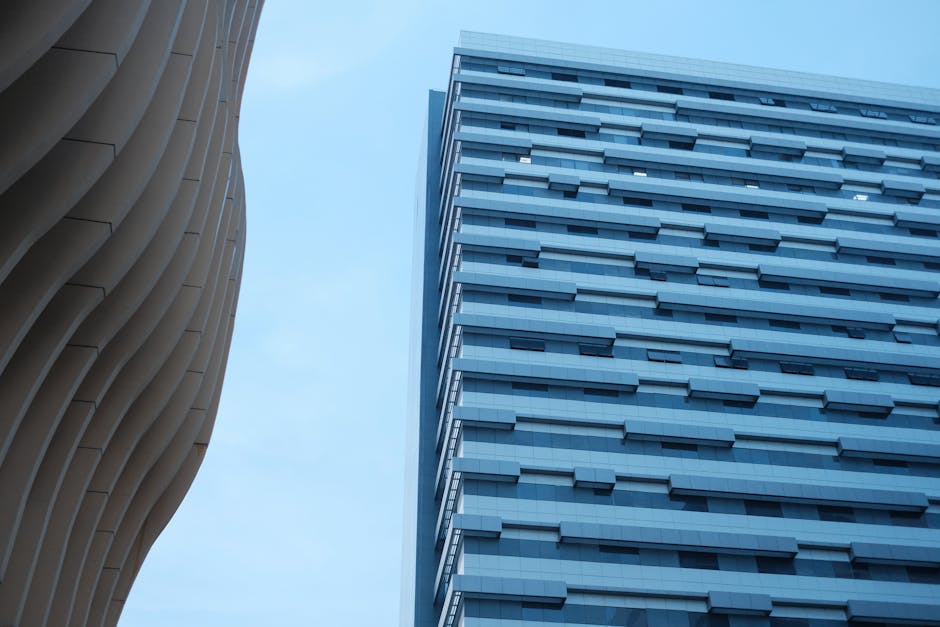
Several landmark buildings exemplify the ingenuity and vision driving modern architecture today. Zaha Hadid Architects’ Heydar Aliyev Center in Baku stands out for its fluid, curvilinear forms that defy conventional geometry while creating immersive spatial experiences.
The Beijing National Stadium, famously nicknamed the “Bird’s Nest,” showcases another dimension of modern design where engineering prowess meets artistic expression. Its intricate lattice structure supports massive cantilevered elements using precise calculations and high-strength steel alloys.
Notable examples across different regions demonstrate that modern architecture thrives on contextual awareness and local adaptation rather than uniformity:
- Frank Gehry’s Guggenheim Museum Bilbao transformed an entire city through its titanium-clad undulating surfaces
- Bjarke Ingels Group’s Amager Bakke waste-to-energy plant combines utility with striking visuals featuring a ski slope on its roof
- Tadao Ando’s Church of Light uses raw concrete and natural light to evoke spiritual transcendence
Digital Tools Transforming Architectural Practices
Advancements in technology have revolutionized every stage of the architectural process from initial concept development to final construction execution. Building Information Modeling (BIM) software allows designers to create highly accurate virtual representations that integrate data from various disciplines seamlessly.
Parametric modeling enables architects to generate complex geometries previously deemed impossible through algorithms that respond dynamically to changing parameters. These tools facilitate greater creativity while ensuring precision in fabrication processes involving robotics and automated machinery.
Emerging technologies currently influencing architectural innovation include:
- Virtual Reality (VR): Enables immersive walkthroughs before any physical work begins
- Augmented Reality (AR): Overlays digital information onto real-world environments for enhanced visualization
- Artificial Intelligence (AI): Assists in optimizing designs based on environmental conditions, cost constraints, and user preferences
Cultural Influences on Global Architectural Trends
Architecture remains deeply intertwined with culture, reflecting social values, traditions, and identities worldwide. In Japan, for instance, contemporary architects often blend minimalist aesthetics with traditional craftsmanship evident in projects like Kengo Kuma’s Suntory Museum of Art.
African nations are experiencing a resurgence of indigenous architectural styles combined with modern techniques to address pressing challenges like housing shortages and climate resilience. Projects such as NBBJ’s Ghanaian campus at Ashesi University showcase this synthesis effectively.
Cross-cultural exchanges continue enriching the field as architects draw inspiration from diverse sources including:
- Mediterranean courtyards adapted for hot climates with shaded outdoor living areas
- Indigenous knowledge applied to vernacular architecture in developing countries
- Historical motifs reinterpreted through contemporary lens in heritage restoration projects
Economic Considerations in Modern Building Projects
The financial aspects of constructing modern buildings play a crucial role in determining their feasibility and long-term viability. Rising material costs, labor expenses, and regulatory requirements necessitate careful budget planning from inception stages.
Investors increasingly seek returns through mixed-use developments that combine residential, commercial, and recreational spaces within single complexes. Such integrated approaches maximize land usage efficiency while catering to multifaceted lifestyle demands.
Cost-saving strategies employed in modern architecture include:
- Modular construction: Prefabricated components assembled off-site reduce overall project timelines
- Smart building systems: Automated controls optimize energy consumption and maintenance schedules
- Lifecycle analysis: Evaluating total costs over a structure’s lifespan informs more informed investment decisions
Futuristic Concepts Redefining Urban Spaces
As cities grow denser and resources become scarcer, visionary architects are exploring radical solutions to accommodate expanding populations sustainably. Vertical farms integrated into high-rise buildings offer potential answers by producing food locally within urban centers.
Self-sustaining megastructures capable of generating their own power through renewable energy sources represent another frontier being actively researched. These autonomous ecosystems could redefine how we live, work, and interact within built environments going forward.
Predictive models suggest that by 2030:
- 68% of the world’s population will reside in urban areas
- Building-related emissions need to decrease by 50% compared to current levels
- At least three-quarters of new constructions will incorporate smart technologies
Community Engagement in Architectural Planning
Successful modern architecture requires meaningful engagement with communities affected by proposed developments. Participatory design processes ensure that residents’ voices shape outcomes rather than having them imposed upon them passively.
Public consultations, workshops, and interactive platforms enable stakeholders to contribute ideas regarding functionality, aesthetics, and accessibility features. This collaborative approach fosters ownership and increases chances of successful implementation post-construction.
Benefits of inclusive design methodologies include:
- Increased acceptance: Residents feel valued when their input influences decision-making
- Better usability: Designs reflect actual needs rather than assumptions made by professionals alone
- Enhanced social cohesion: Shared spaces created through collective participation strengthen communal bonds
Preserving Heritage While Embracing Progress
The tension between preserving historic sites and accommodating modern infrastructure presents ongoing challenges for architects globally. Adaptive reuse projects seek middle ground by repurposing old buildings instead of demolishing them outright.
Technological innovations aid conservation efforts through 3D scanning and digital archiving which help document fragile structures accurately before any alterations occur. These records serve dual purposes – aiding preservation and informing future renovations sensitively.
Examples illustrating effective balance between past and present include:
- The Louvre Pyramid in Paris integrates modern glass structure within classical French palace setting
- Glass dome addition at Chichu Art Museum in Naoshima preserves original site character while enhancing visitor experience
- Renovation of Edinburgh Castle keeping medieval walls intact amidst contemporary additions
Conclusion
Modern architecture embodies a continuous dialogue between tradition and innovation, form and function, individual expression and collective well-being. It reflects our evolving understanding of space, materials, and human interaction within built environments.
By embracing sustainability, leveraging cutting-edge technologies, respecting cultural contexts, and prioritizing community involvement, architects can create spaces that inspire, endure, and uplift generations to come. As we move toward an uncertain yet exciting future, the role of thoughtful, progressive architecture becomes ever more vital in shaping the world around us.
“`

news is a contributor at ArkitecTRUE. We are committed to providing well-researched, accurate, and valuable content to our readers.
You May Also Like

Related Posts