
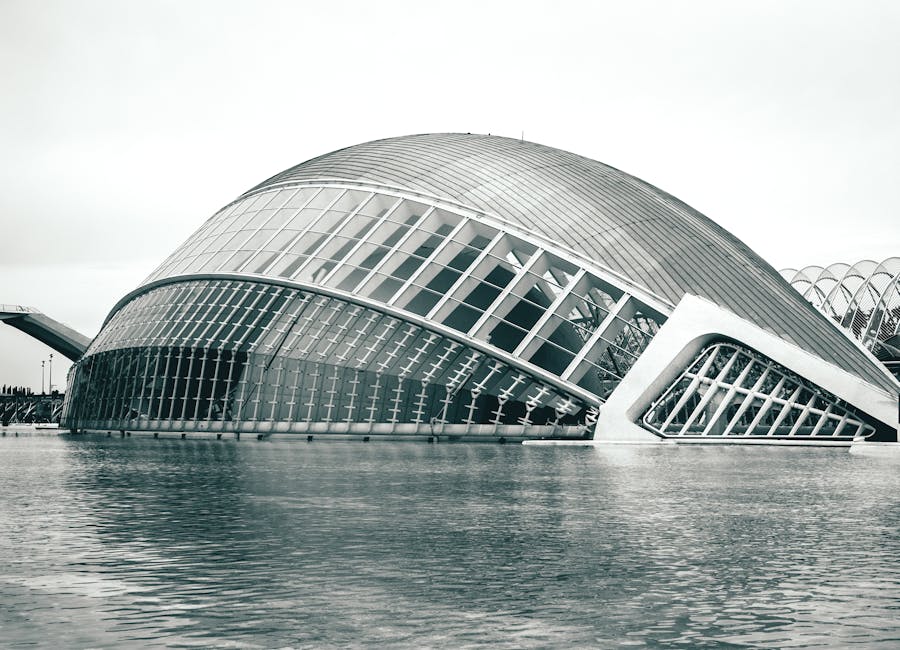
The Art and Science of Building Design: Crafting Spaces That Inspire and Endure
In an era where architecture is increasingly intertwined with technology, sustainability, and human-centric principles, building design has evolved beyond mere aesthetics to become a multidisciplinary endeavor. Architects today are tasked not only with creating visually striking structures but also ensuring they meet functional needs, environmental standards, and cultural contexts.
This article delves into the intricate world of building design, exploring its foundational elements, innovative trends, and the critical considerations that shape modern architectural practices. Whether you’re an aspiring architect, a construction professional, or simply curious about how spaces come to life, this guide offers insightful perspectives on what makes buildings both beautiful and enduring.
The Foundations of Effective Building Design
At the heart of every great building lies a solid foundation built upon several key principles. These include functionality, structural integrity, aesthetic appeal, and adaptability over time. A well-designed structure must serve its intended purpose while remaining resilient against natural forces and changing user requirements.
Functionality often begins with understanding the client’s vision and the space’s primary use—whether residential, commercial, industrial, or public. This initial phase involves extensive research and collaboration between architects, engineers, and stakeholders to define clear objectives before any physical work commences.
- Structural Integrity: Ensuring safety through sound engineering practices and material selection is paramount. Buildings must withstand various loads such as gravity, wind, seismic activity, and even extreme weather conditions without compromising stability.
- Aesthetic Appeal: While form follows function, visual harmony remains crucial. Thoughtful integration of color schemes, textures, lighting effects, and spatial flow contributes significantly to a building’s overall impact on users and observers alike.
Sustainable Practices Shaping Modern Architecture
Eco-consciousness now plays a central role in contemporary building design, driven by global climate concerns and regulatory mandates aimed at reducing carbon footprints. Sustainable strategies range from energy-efficient systems to renewable resource utilization, each contributing towards greener environments.
Green roofs, solar panels, rainwater harvesting mechanisms, and passive heating/cooling techniques exemplify sustainable innovations currently transforming urban landscapes worldwide. Such features not only minimize ecological damage but enhance occupant comfort through improved indoor air quality and temperature regulation.
Energy Efficiency Through Smart Technologies
Advancements in smart home automation have revolutionized how we interact with our surroundings within constructed environments. Integrated sensors monitor occupancy levels automatically adjusting lighting intensity based on real-time data collected across different zones inside a facility.
These technologies reduce unnecessary power consumption during off-hours when areas remain unoccupied yet still consume significant amounts of electricity otherwise left unused due to traditional static controls prevalent until recently.
Cultural Contexts and Regional Influences on Architectural Styles
Architecture cannot exist in isolation; it reflects societal values, historical narratives, and geographical characteristics unique to particular regions around the globe. Understanding these contextual factors ensures designs resonate locally rather than imposing foreign ideals onto communities unfamiliar with them.
For instance, tropical climates necessitate open-air layouts promoting ventilation naturally whereas colder northern latitudes require insulation-heavy constructions capable of retaining heat efficiently amid harsh winters. Similarly, vernacular styles rooted deeply in local traditions offer cost-effective solutions tailored specifically for their respective environments.
Vernacular architecture provides invaluable lessons regarding materials sourcing proximity which reduces transportation emissions associated with long-distance procurement processes typically involved in international projects lacking regional specificity.
Technological Innovations Revolutionizing Contemporary Construction Methods
Digital tools such as BIM (Building Information Modeling), AI-driven simulations, drones equipped with LiDAR scanning capabilities, and 3D printing technologies collectively redefine conventional approaches used previously limited primarily by manual labor constraints alone.
BIM software enables collaborative platform creation allowing cross-disciplinary teams including architects, contractors, electricians etc., to visualize complete project lifecycle phases simultaneously enhancing coordination accuracy minimizing costly rework occurrences later stages after commencement.
LiDAR scans generate precise topographical maps aiding site analysis prior to development initiating process thereby reducing potential errors related inaccurate assumptions made initially without thorough survey assessments conducted beforehand.
Human-Centric Approaches Enhancing User Experience Within Built Environments
Modern architecture increasingly prioritizes occupants’ psychological wellbeing alongside basic physiological necessities ensuring holistic satisfaction derived from inhabiting designed spaces. Ergonomic furniture arrangements, biophilic design incorporating nature elements, noise reduction measures all contribute positively toward mental health outcomes among residents/users.
Biophilic design introduces living components such as plants, water features, wood finishes creating calming atmospheres proven scientifically beneficial decreasing stress hormones increasing productivity rates amongst office workers exposed regularly compared those working exclusively under artificial illumination settings devoid organic connections present elsewhere.
Noise pollution control becomes essential particularly within densely populated cities where external disturbances frequently penetrate interior domains affecting concentration abilities severely impairing cognitive functions requiring uninterrupted thought processes necessary accomplishing complex tasks effectively.
Case Studies Highlighting Successful Implementation Of Innovative Concepts
An exemplary case showcasing successful application of integrated green infrastructure includes Bosco Verticale located Milan Italy comprising twin towers adorned extensively with vegetation covering approximately 900 trees along with diverse plant species strategically selected according to microclimatic conditions prevailing atop high-rise structures.
This vertical forest concept successfully mitigates urban heat island effect improves biodiversity supports pollinators enhances thermal performance via evaporative cooling effects provided by transpiring foliage thus demonstrating tangible benefits achievable through thoughtful implementation eco-friendly initiatives embedded directly into architectural fabric itself.
Similarly, Singapore’s Marina One integrates lush gardens cascading down façades merging seamlessly with surrounding cityscape forming vibrant ecosystems coexisting harmoniously amidst concrete jungles typical metropolitan centers usually characterized stark contrasts between natural habitats man-made constructs.
Futuristic Trends Reshaping Tomorrow’s Architectural Landscape
Emerging trends indicate shift away traditional fixed geometries toward dynamic morphologies adaptable responding stimuli encountered daily interactions occurring within evolving digital landscape continuously reshaped advancements happening rapidly fields robotics IoT connectivity becoming integral aspects defining future directions pursued relentlessly pushing boundaries further ahead horizon.
Self-repairing materials utilizing nanotechnology represent promising avenue addressing maintenance challenges faced aging infrastructures suffering degradation overtime potentially extending lifespans substantially reducing recurring expenses incurred regular upkeep required maintaining operational efficiency consistently across varying climatic pressures applied externally affecting durability internally.
Moreover, modular construction methods gaining traction owing flexibility scalability enabling rapid deployment emergency situations disaster relief operations temporary shelters erected swiftly meeting urgent housing demands populations displaced sudden calamities without relying lengthy bureaucratic procedures hindering timely interventions desperately needed saving lives preventing additional suffering caused prolonged exposure hazardous conditions.
Conclusion
Building design encompasses far more than superficial appearances; it embodies deep-rooted philosophies balancing artistic expression technical precision ethical responsibility toward planet inhabitants sharing common ground beneath vast celestial expanse above us all.
By embracing sustainability, leveraging technological innovation, respecting cultural heritage, focusing human welfare foremost priorities shaping tomorrow’s skylines we ensure legacies left behind reflect true essence creativity ingenuity compassion guiding lights illuminating paths forward generations yet unborn standing tall proud monuments testament excellence achieved through collective efforts united singular mission elevating humanity living standards immeasurable heights previously unimaginable.

news is a contributor at ArkitecTRUE. We are committed to providing well-researched, accurate, and valuable content to our readers.
You May Also Like


Related Posts

Building Design for Beginners: Getting Started
February 6, 2026
Building Design Step-by-Step Tutorial
February 9, 2026
Building Design Best Practices 2025
February 10, 2026