
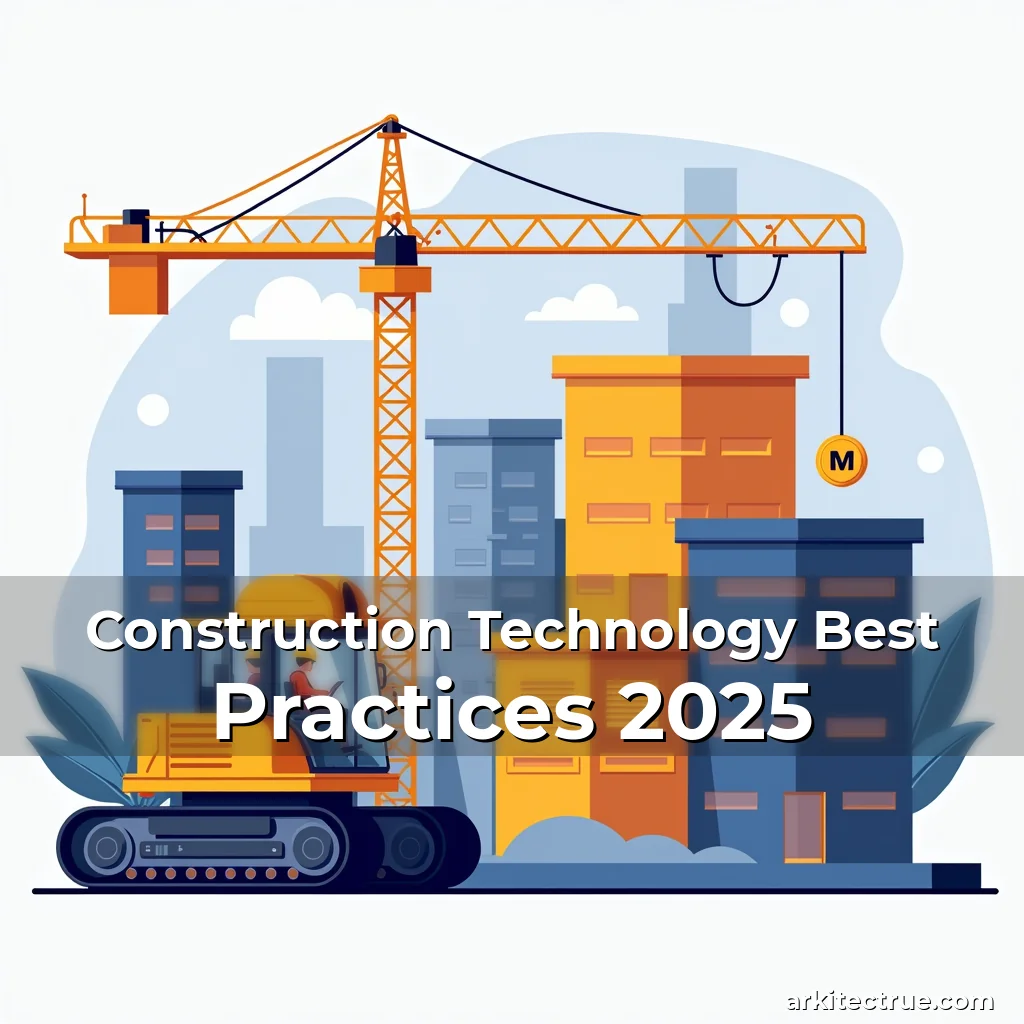
Construction Technology Best Practices 2025
The construction industry is undergoing a transformative shift driven by rapid advancements in technology. From artificial intelligence to robotics, modern tools are reshaping how projects are designed, managed, and executed.
In 2025, professionals must adopt cutting-edge solutions that enhance efficiency, reduce costs, and ensure sustainability across every stage of development. This guide explores essential practices shaping tomorrow’s built environment.
Digital Design Tools Redefining Architectural Innovation
BIM software has become an industry standard, enabling teams to create highly accurate 3D models that integrate structural, mechanical, and electrical systems. These digital twins allow stakeholders to visualize entire buildings before groundbreaking begins.
Advanced parametric modeling allows architects to explore complex geometries while maintaining strict adherence to building codes. Real-time collaboration features enable multidisciplinary teams to work simultaneously on shared platforms.
- BIM interoperability: Seamless data exchange between CAD programs ensures design consistency across disciplines
- Generative design algorithms: AI-powered tools rapidly produce hundreds of optimized设计方案 based on specified constraints
- Virtual reality walkthroughs: Immersive experiences let clients review spatial relationships and make informed decisions early in the process
Cloud-based BIM platforms now support real-time updates from field crews, ensuring designs stay aligned with actual site conditions. Mobile access enables instant revisions during client meetings or job site visits.
Augmented reality overlays have revolutionized design reviews by superimposing digital blueprints onto physical spaces. This capability reduces errors caused by misinterpretation of traditional drawings.
As computational power increases, designers can simulate environmental impacts such as solar expo
Sustainable Construction Technologies for Future-Ready Projects
Eco-friendly materials combined with smart monitoring systems are redefining green building standards. Self-healing concrete and carbon-absorbing facades represent breakthrough innovations in material science.
Energy-efficient HVAC systems equipped with IoT sensors optimize indoor climate control while minimizing waste. Smart lighting networks adjust brightness based on occupancy levels and natural light availability.
Modular construction methods significantly reduce material waste compared to conventional approaches. Prefabricated components manufactured offsite arrive ready for assembly with minimal excess inventory.
Water conservation technologies include greywater recycling systems and low-flow fixtures that cut consumption without compromising comfort. Rainwater harvesting structures collect and filter stormwater for non-potable uses.
Carbon Capture Innovations in Building Materials
Recent developments show promise in reducing embodied carbon through innovative material formulations. Carbon-negative concrete mixes use industrial CO₂ emissions to strengthen the final product.
Architectural firms are integrating these materials into façade systems where they can absorb atmospheric pollutants over time. Some experimental projects demonstrate up to 30% reduction in lifecycle emissions using advanced composites.
These technologies align with global net-zero targets while offering long-term cost savings through reduced maintenance needs. Material suppliers now provide life-cycle analysis reports to help specifiers make environmentally responsible choices.
Automation and Robotics Revolutionizing On-Site Operations
Autonomous equipment is transforming labor-intensive tasks once performed manually. Bricklaying robots can assemble walls faster than human workers while maintaining precise tolerances.
Drones equipped with LiDAR scanners capture high-resolution topographic maps within minutes, replacing days of manual surveying. These aerial assessments identify potential challenges before excavation begins.
Robotic arms handle repetitive duties like welding and insulation installation with consistent quality. Their ability to operate continuously improves project timelines and reduces reliance on skilled labor shortages.
Cutting-edge exoskeleton suits assist workers in lifting heavy materials safely. These wearable devices distribute weight evenly, preventing injuries from musculoskeletal strain.
Smart hard hats with integrated cameras record daily activities automatically, creating permanent records for safety audits and dispute resolution. GPS tracking embedded in equipment prevents theft and monitors asset locations in real time.
Collaborative robots (cobots) work alongside human operators on tasks requiring both precision and adaptability. Unlike traditional automation, cobots learn from interactions to refine their processes continually.
Artificial Intelligence Driving Smarter Decision-Making
Machine learning algorithms analyze historical data to predict potential delays and budget overruns before they occur. Predictive analytics helps managers allocate resources more effectively across different phases of construction.
Natural language processing powers chatbots that assist field staff with code lookups, compliance queries, and supply chain information. Voice-activated interfaces streamline documentation workflows during busy periods.
AI-driven scheduling software optimizes workforce deployment by considering factors like weather forecasts, local regulations, and subcontractor availability. Dynamic rescheduling capabilities minimize downtime when unexpected events arise.
Computer vision systems monitor progress against baseline plans, flagging deviations that could impact deadlines or budgets. These alerts allow supervisors to intervene promptly before issues escalate.
Data mining techniques extract insights from unstructured sources like emails, meeting notes, and sensor readings. Pattern recognition identifies trends that inform better strategic planning and risk mitigation strategies.
Internet of Things Enhancing Project Monitoring and Maintenance
Connected sensors embedded in infrastructure continuously track stress points, moisture levels, and vibration patterns. Early warning systems alert engineers to developing issues before visible damage occurs.
Smart wearables monitor worker health metrics like heart rate variability and body temperature. These biometric indicators help prevent heat-related illnesses during outdoor operations.
Automated reporting systems compile data from various sources into consolidated dashboards accessible via mobile devices. Real-time visibility empowers managers to make informed decisions quickly.
Predictive maintenance algorithms analyze equipment usage patterns to schedule servicing proactively. Preventive care extends machinery lifespan and avoids costly breakdowns during critical project phases.
Remote monitoring capabilities allow experts to diagnose problems from centralized command centers rather than visiting sites physically. This approach saves time and reduces operational disruptions.
Blockchain Technology Ensuring Transparency and Accountability
Distributed ledger systems create immutable records of transactions, contracts, and change orders. This transparency builds trust among stakeholders involved in multi-party collaborations.
Smart contracts automate payments upon fulfillment of predefined milestones, reducing administrative overhead associated with manual approvals. Digital signatures verify authenticity without needing paper documents.
Supply chain tracking becomes fully transparent as each component’s journey is recorded permanently on the blockchain. This traceability aids in verifying sustainable sourcing claims and combating counterfeit products.
Document management systems leverage blockchain to maintain version-controlled histories of all project files. Any unauthorized changes trigger automatic alerts to authorized personnel.
Dispute resolution benefits from having verifiable audit trails showing exactly what was agreed upon and when modifications occurred. This clarity minimizes litigation risks in complex construction agreements.
Emerging Trends Shaping Tomorrow’s Industry
Additive manufacturing is pushing boundaries in customized component production. 3D printing allows creation of intricate shapes previously impossible with traditional fabrication methods.
Self-repairing infrastructure incorporates microcapsules containing healing agents that activate upon detecting cracks. These intelligent materials extend service life and reduce maintenance requirements.
Fiber-optic sensing networks detect minute deformations in structures by measuring light intensity variations along installed cables. This ultra-sensitive detection system provides early warnings of structural fatigue.
Urban farming integration within commercial buildings utilizes vertical gardens that purify air while producing food locally. These living walls contribute to biodiversity and improve occupant well-being.
Biophilic design principles merge nature elements with built environments through automated shading systems and indoor water features. Studies show these integrations increase productivity and mental health outcomes for occupants.
Quantum computing promises exponential improvements in simulation accuracy for megastructures. Its unparalleled processing speed will revolutionize how we model seismic resilience and aerodynamic performance.
Conclusion
The convergence of these technological advances represents a paradigm shift in construction methodology. By embracing innovation responsibly, the industry can achieve unprecedented levels of efficiency and sustainability.
Professionals who actively engage with emerging tools will lead the transformation toward smarter, safer, and more resilient built environments. Continuous education and open-mindedness remain crucial for navigating this dynamic landscape successfully.

news is a contributor at ArkitecTRUE. We are committed to providing well-researched, accurate, and valuable content to our readers.
You May Also Like

Related Posts
Common Construction Technology Mistakes to Avoid
March 18, 2026

How to Choose Construction Technology: Expert Guide
March 16, 2026
Construction Technology Step-by-Step Tutorial
March 17, 2026