
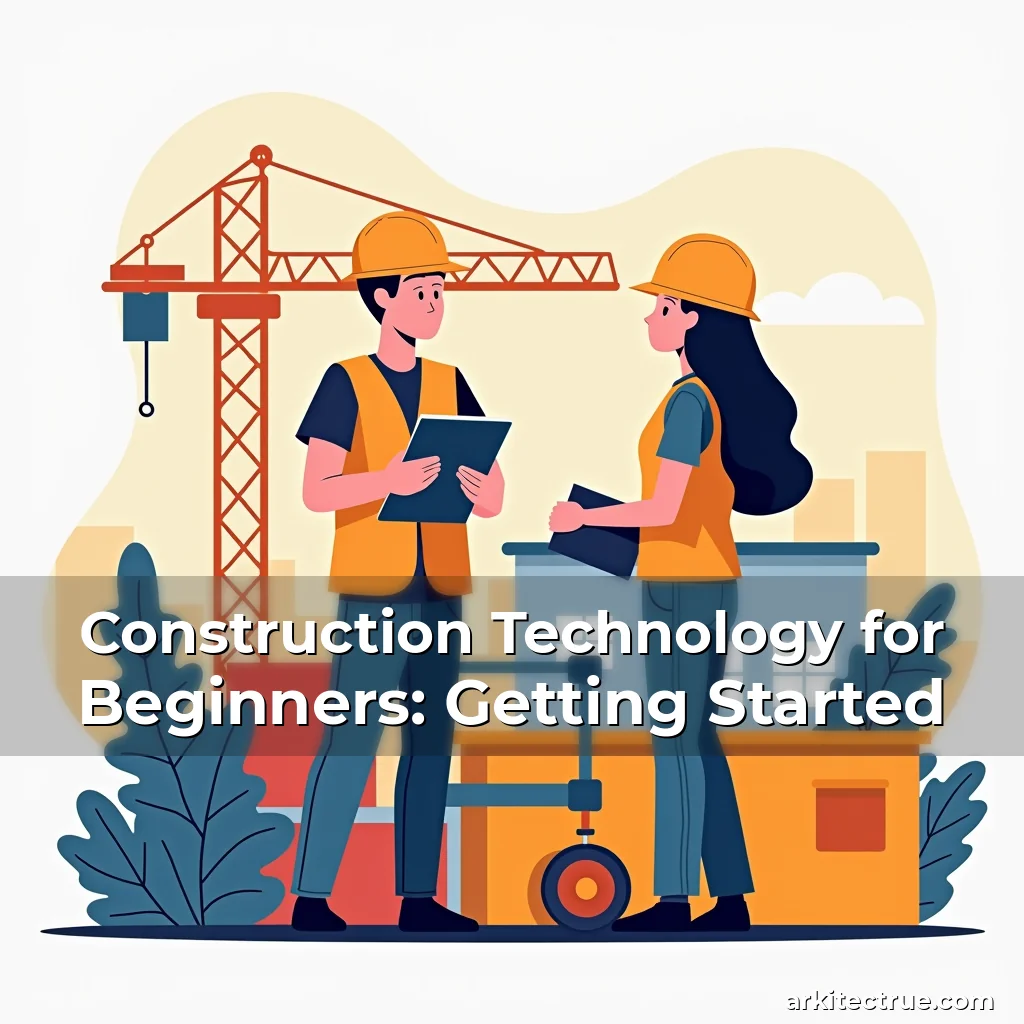
Revolutionizing Construction: The Future is Built with Technology
The construction industry has always been at the forefront of human innovation, transforming raw materials into functional spaces that define our cities and communities. However, recent advancements in construction technology are reshaping how we design, build, and manage infrastructure projects.
From artificial intelligence-driven project management systems to 3D printing techniques capable of constructing entire buildings overnight, modern technologies are making construction faster, safer, and more sustainable than ever before. This shift toward digital transformation promises to redefine traditional workflows and elevate industry standards globally.
The Digital Transformation of Construction Projects
Digital tools have become indispensable across every phase of construction, from initial concept development to final inspections. Building Information Modeling (BIM) software allows architects, engineers, and contractors to create intelligent 3D models that contain vast amounts of data about each component within a structure.
BIM facilitates real-time collaboration between stakeholders by enabling simultaneous access to shared model files. This reduces errors caused by outdated blueprints and streamlines decision-making processes through visual representations of complex designs.
One key benefit of BIM is its ability to detect clashes between different building elements before they occur during actual construction. By simulating various scenarios virtually, teams can identify potential conflicts involving electrical conduits intersecting with plumbing lines or structural supports blocking HVAC ducts.
This proactive approach minimizes costly rework on-site while optimizing resource allocation throughout the project lifecycle. As adoption rates increase, many firms now integrate AI algorithms into their BIM platforms to automate routine tasks such as quantity takeoffs and scheduling estimations.
- Data integration: BIM centralizes information about every aspect of a building’s design, including material specifications, cost estimates, and maintenance schedules.
- Improved communication: Real-time updates ensure all team members receive accurate information simultaneously, reducing miscommunication risks significantly.
- Sustainability benefits: Accurate simulations allow designers to evaluate energy efficiency strategies early in the planning stage rather than discovering inefficiencies after construction begins.
Automation and Robotics in Modern Construction Sites
Rapidly advancing automation technologies are revolutionizing how work gets done on construction sites. Autonomous machinery equipped with GPS guidance systems can perform earthmoving operations with pinpoint accuracy, drastically improving productivity compared to conventional methods.
Robotic arms fitted with precision cutting tools enable workers to complete repetitive tasks much faster without compromising quality control standards. These machines operate consistently under varying weather conditions, ensuring continuous progress even when human labor would be hindered by external factors.
A prime example is bricklaying robots developed by companies specializing in construction robotics. One notable system uses robotic arms guided by computer vision to lay bricks at speeds far exceeding those achievable manually, resulting in significant time savings during large-scale residential developments.
Additionally, automated concrete pouring systems utilize sensors and feedback mechanisms to maintain consistent thickness levels across surfaces being poured. This ensures structural integrity remains uncompromised while minimizing waste due to over-pouring common in manual applications.
Impact on Labor Workforce Dynamics
The introduction of automation raises questions about job displacement concerns among traditional tradespeople. While some roles may evolve towards supervisory positions overseeing robotic operations instead of performing them directly, new opportunities emerge in areas requiring technical expertise related to maintaining these advanced systems.
Firms investing heavily in automation must also consider workforce training programs aimed at upskilling current employees so they can effectively interface with smart machines deployed across worksites. This transition period requires careful planning but ultimately leads to higher overall efficiency gains once fully implemented.
According to reports from industry analysts, approximately 80% of major construction firms plan to adopt increased levels of automation within five years. This trend suggests an ongoing shift away from purely physical labor towards more technologically integrated approaches benefiting both employers seeking improved ROI figures and employees looking forward to less physically demanding jobs.
Smart Materials Revolutionizing Structural Integrity
Innovative smart materials represent another frontier pushing boundaries within contemporary construction practices. Self-healing concrete infused with microcapsules containing healing agents automatically repairs minor cracks upon exposure to moisture or temperature changes.
This capability extends service life expectancy substantially while decreasing long-term maintenance costs associated with regular crack inspection routines typically required for traditional concrete structures. Moreover, self-healing properties contribute positively towards sustainability goals by reducing embodied carbon footprints linked with frequent repair interventions.
Another groundbreaking advancement involves shape-memory alloys used in seismic-resistant buildings. These special metals return to predetermined shapes following deformation triggered by earthquakes, thereby absorbing shockwaves efficiently without sustaining permanent damage themselves.
Such innovations enhance safety measures dramatically, especially in regions prone to natural disasters where conventional reinforcement methods might fail under extreme stress conditions. Integrating these adaptive materials into architectural frameworks presents exciting possibilities for future resilient urban landscapes designed specifically against climate change threats.
Virtual Reality & Augmented Reality Applications
Immersive virtual reality (VR) experiences provide invaluable insights during pre-construction phases allowing designers to explore spatial relationships within proposed environments before committing resources towards physical mockups.
Augmented reality (AR), on the other hand, overlays digital information onto real-world settings using mobile devices or specialized headsets worn by site personnel. This helps visualize exactly how completed components will fit together visually alongside existing structures currently undergoing renovations.
Visionary developers leverage VR/AR solutions extensively during client presentations showcasing interior layouts interactively, giving buyers or investors tangible glimpses inside unfinished properties prior to commencement stages. Such interactive demonstrations foster better understanding among non-specialist audiences who might otherwise struggle interpreting static renderings alone.
On active construction sites, AR-enabled tablets assist foremen identifying precisely located reinforcing bars embedded deep within walls simply by scanning designated coordinates displayed digitally atop surface layers. This eliminates guesswork traditionally involved locating hidden infrastructure accurately which often led to expensive mistakes later down the line.
Sustainable Practices Powered by Emerging Technologies
Eco-friendly construction methodologies gain momentum thanks largely due to technological breakthroughs facilitating greener alternatives previously deemed economically unfeasible. Solar panel-integrated facades generate renewable electricity powering nearby buildings sustainably while contributing aesthetically pleasing exteriors simultaneously.
Green roofs composed entirely out of vegetation serve dual purposes acting as insulation barriers against heat transfer while supporting biodiversity initiatives encouraging pollinators thriving amidst greenery above rooftops. Advanced hydroponic systems incorporated into wall panels further reduce reliance upon soil-based agriculture consuming precious landmass elsewhere.
Moreover, prefabricated modular units assembled offsite then transported whole pieces ready for installation cut emissions considerably versus conventional cement-heavy approaches relying solely upon local sourcing practices subject to transportation delays.
Cities adopting circular economy principles prioritize reuse/recycling protocols emphasizing dismantling old edifices systematically extracting salvageable parts repurposed effectively rather than discarding everything outright post-demolition phases unnecessarily generating landfill waste.
AI Integration Enhancing Predictive Maintenance Strategies
Artificial Intelligence (AI) plays pivotal role analyzing massive datasets gathered via Internet Of Things (IoT) sensors deployed throughout infrastructural networks monitoring performance metrics continuously providing timely alerts regarding emerging issues needing immediate attention.
Predictive analytics powered by machine learning algorithms forecast probable failure points based historical patterns detected across similar assets enabling preemptive actions taken well ahead schedule preventing catastrophic breakdowns altogether.
For instance, bridge health monitoring systems utilizing AI interpret vibration readings detecting subtle shifts indicative of weakening structural components prompting targeted inspections focusing precisely affected zones rather than blanket assessments covering entire spans indiscriminately.
These intelligent diagnostic capabilities extend beyond mere reactive responses evolving progressively towards preventative care regimes safeguarding public welfare proactively rather than merely responding emergencies retroactively once problems manifest visibly noticeable signs.
Blockchain Ensuring Transparency Across Supply Chains
Blockchain technology introduces unprecedented transparency managing transactions securely tracking product provenance verifying authenticity confirming ethical sourcing validating compliance regulations throughout global supply chains essential construction sectors reliant diverse international suppliers delivering critical goods services worldwide.
By creating immutable records documenting every step supply chain journey immutability guarantees tamper-proof verification ensuring accountability held strictly adhered eliminating fraud opportunities exploiting weaknesses opaque traditional documentation procedures vulnerable manipulation deceitful actors.
Smart contracts executed autonomously upon fulfillment predefined criteria streamline procurement processes removing intermediaries reducing administrative overhead accelerating delivery timelines enhancing operational efficiencies critically important fast-paced competitive markets.
Furthermore, blockchain enables secure sharing confidential data selectively granting permissions restricting unauthorized access preserving sensitive commercial agreements protected stringent encryption protocols bolstering cybersecurity defenses against cyber threats increasingly prevalent digitized ecosystems.
Future Trends Shaping Tomorrow’s Infrastructure Landscape
Looking ahead, several transformative trends promise reshape infrastructure development profoundly altering paradigms governing how societies construct dwellings commercial complexes civic amenities connecting people places things seamlessly integrating seamless digital interfaces everyday living environments.
Drone surveying emerges powerful tool capturing aerial imagery mapping terrain features generating topographical maps swiftly replacing traditional ground crews traversing hazardous terrains collecting measurements manually fraught dangers inaccuracies inherent human error limitations.
Autonomous vehicles transporting construction materials navigate routes optimized dynamically adapting traffic congestion road closures ensuring uninterrupted flow supplies reaching destinations promptly mitigating downtime interruptions disrupting workflow continuity negatively impacting project timelines.
Meanwhile, generative design software leverages algorithmic computations producing optimal structural configurations considering countless variables simultaneously surpassing human capacity evaluating myriad combinations realistically feasible solutions achieving superior results unimaginable conventional trial-and-error methodologies constrained finite imagination constraints.
As these innovations converge gradually becoming mainstream standard operating procedures within construction enterprises worldwide, professionals must embrace lifelong learning keeping pace relentless evolution reshaping industry landscape continuously evolving nature technological advancements propelling civilization forward building smarter healthier planet collectively.
Conclusion
The convergence of digital tools, automation, smart materials, immersive visualization technologies, sustainability-focused innovations, predictive maintenance strategies, transparent supply chain management, and visionary future trends paints an exhilarating picture for the construction sector.
Embracing these technological revolutions does not merely mean staying relevant—it means leading the charge in shaping tomorrow’s built environment responsibly, innovatively, and inclusively. Whether you’re a seasoned professional or just beginning your journey in architecture and construction, now is the time to engage deeply with these transformative forces.

news is a contributor at ArkitecTRUE. We are committed to providing well-researched, accurate, and valuable content to our readers.
You May Also Like

Related Posts
Construction Technology Step-by-Step Tutorial
March 17, 2026

How to Choose Construction Technology: Expert Guide
March 16, 2026