
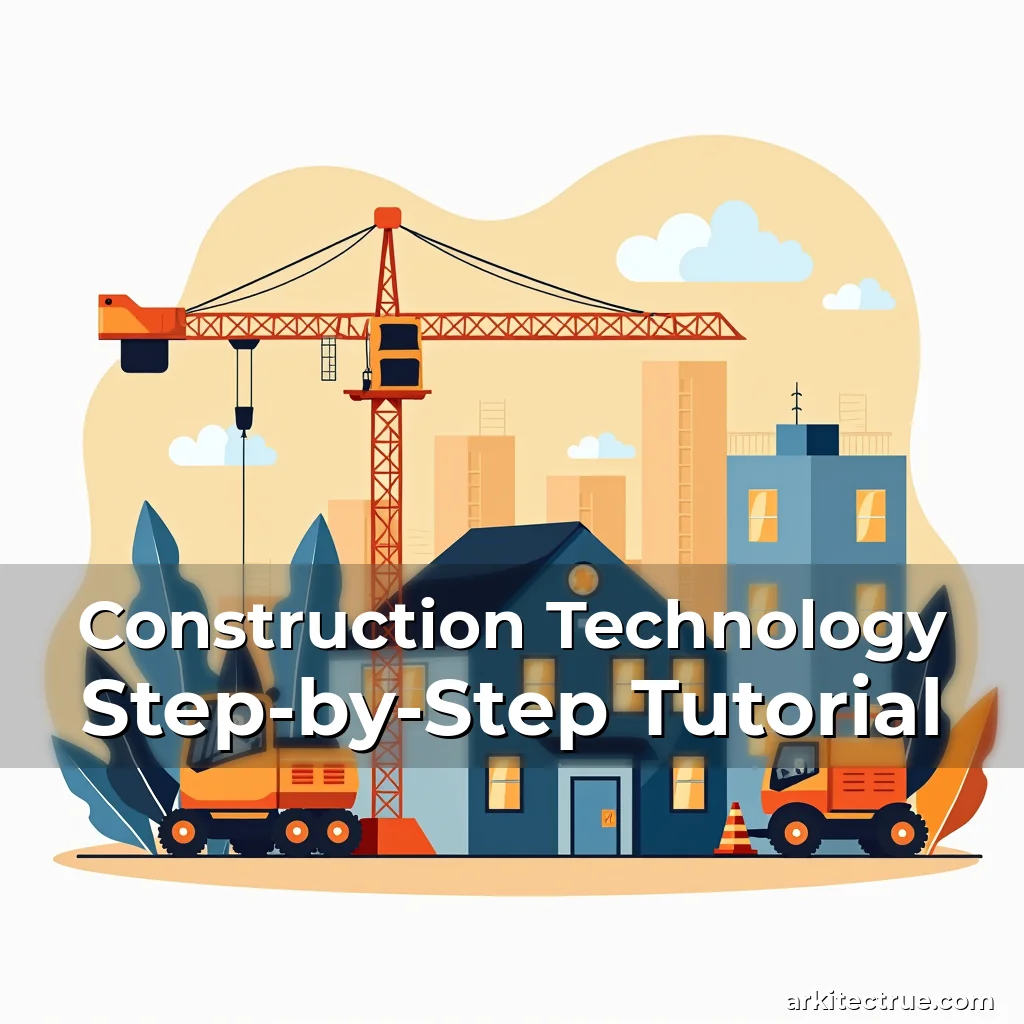
The Future Built Today: How Construction Technology is Reshaping Modern Architecture
In an era where innovation drives progress, construction technology has emerged as a game-changer within the architecture industry. From smart buildings that respond to their occupants’ needs to AI-driven design tools that optimize spatial efficiency, the field is undergoing a seismic shift.
This transformation isn’t just about aesthetics; it’s about creating structures that are smarter, safer, and more sustainable than ever before. As architects and engineers embrace these advancements, they’re unlocking new possibilities that were once confined to science fiction.
Revolutionizing Design Processes with Digital Tools
Digital modeling software now forms the backbone of architectural practice. Programs like Revit and AutoCAD allow designers to create intricate 3D models that go beyond traditional blueprints by incorporating structural analysis capabilities right from the initial concept stage.
These platforms enable real-time collaboration across global teams, streamlining workflows that used to take weeks into mere hours. The integration of Building Information Modeling (BIM) takes this further by embedding data-rich information layers into every element of the digital model.
BIM transforms static drawings into dynamic databases. Every wall thickness, material specification, and mechanical system becomes searchable and modifiable within the virtual environment. This level of precision reduces costly errors during construction phases and facilitates better decision-making at every project milestone.
Cloud-based solutions have taken this even further by allowing instant access to models from any location. Architects can review designs while traveling between sites, enabling faster iterations and improved client communication through visual representations rather than technical specifications alone.
- Parametric design tools: Enable complex geometries previously impossible with conventional methods
- Generative algorithms: Automatically suggest optimal configurations based on environmental factors and building codes
- Virtual reality simulations: Allow clients and stakeholders to experience spaces before construction begins
Smart Materials Redefining Structural Capabilities
The materials we use in construction are evolving rapidly. Traditional concrete and steel are being supplemented by innovative composites that offer superior strength-to-weight ratios and enhanced durability characteristics.
Nano-engineered coatings provide self-cleaning properties and UV resistance, significantly reducing maintenance requirements over time. These microscopic innovations translate into tangible benefits for building owners seeking long-term cost savings.
Self-healing concrete represents another breakthrough in material science. Embedded microcapsules release healing agents when cracks form, extending the lifespan of infrastructure without requiring constant repairs or replacements.
Sensors embedded within materials now monitor structural integrity continuously. By detecting stress points and potential weaknesses in real-time, these systems alert maintenance crews before issues escalate into critical failures.
Transparent solar panels integrated into facades generate renewable energy while maintaining aesthetic appeal. This dual functionality exemplifies how modern materials address both functional and environmental considerations simultaneously.
Automation and Robotics Transforming Onsite Workflows
Construction sites today feature robotic arms assembling prefabricated components with millimeter-level accuracy. These machines handle repetitive tasks such as bricklaying and reinforcement bar bending far more efficiently than human workers.
Autonomous vehicles navigate job sites transporting materials between locations without the need for manual operation. This not only improves safety but also enhances productivity by eliminating wait times associated with traditional loading/unloading processes.
Drones equipped with LiDAR scanners survey worksites quickly capturing topographical data essential for site preparation and progress monitoring. Their ability to cover vast areas in minutes makes them invaluable for large-scale projects.
3D printing technology has revolutionized modular construction techniques. Entire rooms can be printed using specialized concrete mixtures that harden rapidly under controlled conditions. This method drastically reduces labor costs and minimizes waste generation.
Exoskeletons worn by construction workers assist with heavy lifting tasks, preventing musculoskeletal injuries while improving overall ergonomics on the jobsite. This wearable technology represents a significant step forward in worker safety protocols.
Artificial Intelligence Enhancing Decision-Making
Machine learning algorithms analyze historical project data to predict potential delays or budget overruns before they occur. By identifying patterns across thousands of past constructions, AI provides early warnings that help managers adjust schedules proactively.
Computer vision systems inspect work quality automatically comparing current progress against approved plans. This eliminates subjective assessments and ensures compliance with strict regulatory standards consistently across all stages of development.
Chatbots powered by natural language processing streamline communication between different parties involved in a construction project. They handle routine inquiries, schedule meetings, and track deliverables ensuring everyone stays aligned throughout the process.
Predictive analytics optimize resource allocation by forecasting demand fluctuations based on weather forecasts, market trends, and supply chain dynamics. This enables companies to maintain lean inventories without risking shortages that could halt operations mid-project.
Sustainable Innovations Driving Green Buildings
Eco-friendly technologies are redefining what sustainability means in contemporary construction practices. Solar panel integration goes beyond simple rooftop installations towards becoming integral elements of façade systems themselves.
Green roofs covered with vegetation regulate indoor temperatures naturally while absorbing rainwater runoff. These living walls contribute positively to urban ecosystems by improving air quality and supporting local biodiversity initiatives.
Advanced insulation materials minimize heat transfer through building envelopes dramatically reducing heating/cooling demands. Phase-change materials store thermal energy during peak sun exposure periods releasing it gradually later in the day.
Water recycling systems treat grey water for reuse in irrigation and toilet flushing applications. Combined with low-flow fixtures, these measures significantly lower municipal water consumption rates for commercial facilities.
Energy recovery ventilation units capture waste heat from exhaust streams repurposing it for preheating incoming fresh air supplies. This closed-loop approach maximizes efficiency without compromising occupant comfort levels.
The Role of Augmented Reality in Project Visualization
Augmented reality overlays digital information onto physical environments enhancing how professionals interact with construction sites. Superimposed diagrams highlight electrical conduits hidden behind walls making troubleshooting easier during renovations.
Mobile AR apps guide contractors through assembly procedures step-by-step using interactive visuals instead of relying solely on written instructions. This hands-free approach increases accuracy and reduces interpretation errors commonly found in paper manuals.
Client presentations benefit greatly from immersive walkthrough experiences where proposed changes become instantly visible within existing spaces. Stakeholders can explore interior layouts virtually adjusting dimensions until reaching ideal configurations.
Field service technicians utilize AR glasses to receive remote assistance from experts located elsewhere. Real-time video feeds combined with annotation features facilitate quicker problem resolution minimizing downtime caused by equipment malfunctions.
Cybersecurity Considerations in Smart Infrastructure
As buildings become increasingly connected through Internet of Things devices, protecting sensitive data becomes paramount. Network vulnerabilities could expose personal information stored within smart home systems or compromise operational controls managing critical infrastructure.
Regular security audits ensure that firmware updates remain current safeguarding against known exploits targeting outdated operating systems running various embedded controllers throughout the structure.
Password protection policies mandate strong authentication mechanisms preventing unauthorized access attempts via brute force attacks directed at networked appliances like thermostats or lighting controls.
Data encryption protocols protect transmission channels securing communications between mobile devices and central management servers responsible for overseeing building automation functions seamlessly.
Fostering Innovation Through Collaboration
Cross-disciplinary partnerships accelerate technological adoption by bringing together diverse expertise from fields such as robotics engineering, computer science, and civil engineering disciplines. Joint research initiatives foster breakthrough discoveries applicable across multiple sectors.
Industry consortia promote knowledge sharing among competitors encouraging open-source developments that benefit entire communities rather than individual firms profiting exclusively from proprietary inventions.
Academic institutions play crucial roles by conducting applied research programs addressing real-world challenges faced by practitioners daily. Internship opportunities bridge theoretical education with practical application reinforcing workforce readiness upon graduation.
Government incentives spur experimentation through tax credits awarded for implementing cutting-edge solutions meeting specified performance benchmarks related to energy efficiency or carbon reduction targets set forth annually.
Preparing for Tomorrow’s Challenges
Continuous professional development remains essential as emerging technologies reshape familiar landscapes within our profession. Certifications covering BIM proficiency demonstrate commitment toward staying abreast of latest industry standards.
Workplace cultures must evolve embracing change rather than resisting it. Training programs focused on upskilling employees prepare organizations for future disruptions ensuring sustained competitiveness amidst rapid transformations occurring globally.
International cooperation strengthens resilience against common threats affecting built environments worldwide. Shared best practices regarding disaster response strategies enhance preparedness efforts regardless of geographic location differences encountered routinely.
Ethical considerations surrounding AI deployment require careful evaluation to prevent unintended biases influencing design decisions impacting marginalized populations disproportionately affected by algorithmic recommendations generated autonomously without human oversight.
Conclusion
The convergence of advanced technologies and architectural principles creates unprecedented opportunities shaping tomorrow’s built environment. By integrating digital tools, intelligent materials, and automated systems effectively, we’re laying foundations for smarter cities capable of adapting dynamically to changing societal needs.
To stay ahead in this rapidly evolving landscape requires proactive engagement with ongoing innovations. Embracing these transformative forces doesn’t merely redefine what’s possible—it empowers us to build a future worthy of our collective aspirations as creators of space and places for people to live, work, and thrive.

news is a contributor at ArkitecTRUE. We are committed to providing well-researched, accurate, and valuable content to our readers.
You May Also Like


Related Posts
Best Construction Technology Tips and Strategies
March 15, 2026
Construction Technology on a Budget: Money-Saving Tips
March 16, 2026