
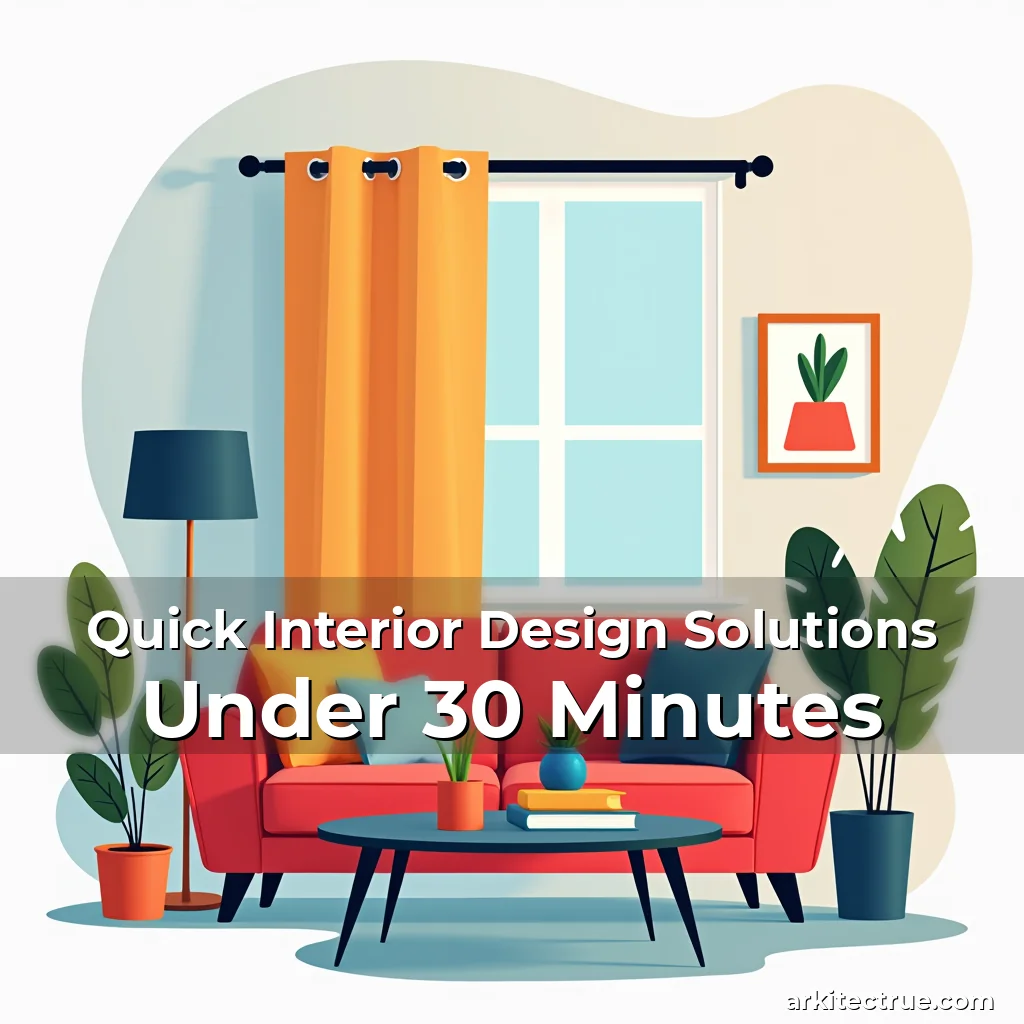
Transform Your Space in Minutes: Smart Interior Design Tactics for Everyday Living
In an era where time is currency, interior design solutions must be both efficient and effective. Whether you’re working within tight deadlines or simply seeking quick fixes to elevate your living space, this guide offers practical strategies tailored to fast-paced lifestyles.
The right approach can turn any room into a functional haven without hours spent on elaborate renovations. From strategic furniture placement to clever storage hacks, we’ll explore how minor adjustments yield significant results swiftly.
Time-Sensitive Rejuvenation Techniques
Rapid interior transformations begin with assessing what’s already present. A fresh perspective often reveals untapped potential in existing decor elements.
Decluttering surfaces instantly creates visual breathing room. Removing excess items from countertops, shelves, and floors allows natural light to flow freely and makes spaces feel larger.
- Vacuum-sealed bags: Store out-of-season clothing and extra linens to maximize closet and under-bed space efficiently.
- Magnetic knife blocks: These provide secure countertop organization while adding modern aesthetics to kitchen workspaces.
A quick sweep through each room identifying clutter sources ensures targeted action rather than generalized efforts. This focused strategy saves time and yields immediate impact.
Folding chairs and modular ottomans offer flexibility for changing needs. These pieces can function as seating during gatherings yet fold away when not required, maintaining clean lines and open areas.
Ease of Access Through Strategic Layouts
Optimizing traffic patterns improves functionality across all rooms. Positioning frequently used items along primary pathways increases convenience without requiring major rearrangements.
Consider placing coffee mugs near the kitchen counter instead of hidden cabinet depths. Similarly, keeping remote controls within easy reach transforms everyday interactions into smoother experiences.
Kitchen islands double as prep stations and casual dining spots. When designed properly, they become central hubs that enhance workflow between cooking zones and serving areas.
Data-Driven Spatial Arrangement
Research indicates that optimal spacing between furniture pieces enhances comfort levels by up to 68%. Leaving at least two feet between seats promotes better conversation flows and reduces feelings of overcrowding.
Additionally, positioning sofas facing each other encourages interaction compared to traditional back-to-wall setups. These small layout changes create warmer environments without construction costs.
Creative Lighting Solutions
Lighting dramatically influences spatial perception. Layered lighting approaches combine ambient, task, and accent lights to achieve dynamic effects quickly.
Adjustable LED strips beneath cabinets provide instant mood control while improving visibility over countertops. Their energy efficiency makes them ideal for frequent use scenarios.
Lampshades with diffused fabrics soften harsh overhead lighting, creating cozier atmospheres suitable for evening relaxation periods.
Solar-powered outdoor string lights add charm to patios without electrical installations. They transform dull evenings into magical settings effortlessly.
Color Psychology Applications
Selecting appropriate color palettes affects emotional well-being significantly. Warm hues promote coziness whereas cool tones encourage tranquility in different contexts.
Accent walls using bold colors draw attention to architectural features without overwhelming spaces. This technique adds depth visually while maintaining overall balance.
Pastel shades are excellent choices for children’s bedrooms as they stimulate creativity without causing sensory overload. Their softness also helps manage hyperactivity tendencies naturally.
Textile Integration Strategies
Soft textures introduce warmth and personality into any environment rapidly. Throw blankets, rugs, and cushions require minimal investment but deliver substantial style impacts.
Bold patterned throws contrast nicely against neutral backgrounds. Choosing coordinating colors ensures cohesion even amidst varied designs.
Layering textiles through mismatched pillows adds dimensionality to otherwise flat surfaces. It invites tactile engagement which enriches spatial experience qualitatively.
Rug placement defines room boundaries effectively. Even small area rugs anchor seating arrangements neatly within open floor plans.
Functional Decor Innovations
Multi-purpose furniture addresses space constraints ingeniously. Convertible sofa beds serve dual functions seamlessly, adapting easily based on daily requirements.
Wall-mounted desks save precious square footage while providing stable writing surfaces above regular height levels. This configuration prevents desk-related posture issues too.
Storage benches replace ordinary stools by incorporating built-in compartments for magazines, books, or toys. Such additions maintain aesthetic appeal while enhancing utility values considerably.
Dual-sided mirrors expand visual space illusions beautifully. Strategically placed ones reflect light around corners, making confined areas appear wider instantly.
Personalized Touch Elements
Artwork selections personalize interiors uniquely. Framed photographs or local artwork infuse individuality without demanding extensive commitments financially.
DIY projects such as handmade candles or macramé wall hangings allow creative expression affordably. These touches make spaces genuinely reflective of personal tastes authentically.
Plants bring life literally indoors. Low-maintenance species like snake plants thrive in indirect sunlight conditions commonly found inside homes today.
Customizable shelving units accommodate evolving collections gracefully. As interests change over time, adjustable configurations ensure continued relevance organically.
Concluding Thoughts
This overview highlights numerous ways to refresh interiors rapidly without major investments. The key lies in prioritizing versatile solutions that adapt readily according to lifestyle shifts.
By implementing these tactics thoughtfully, anyone can cultivate beautiful living environments efficiently regardless of available time resources. Let these ideas inspire immediate action towards creating personalized sanctuaries worthy of admiration.
“`

Related Posts

Fay and Gus Jones Legacy Endowment
April 23, 2025
Interior Design Step-by-Step Tutorial
February 27, 2026
