
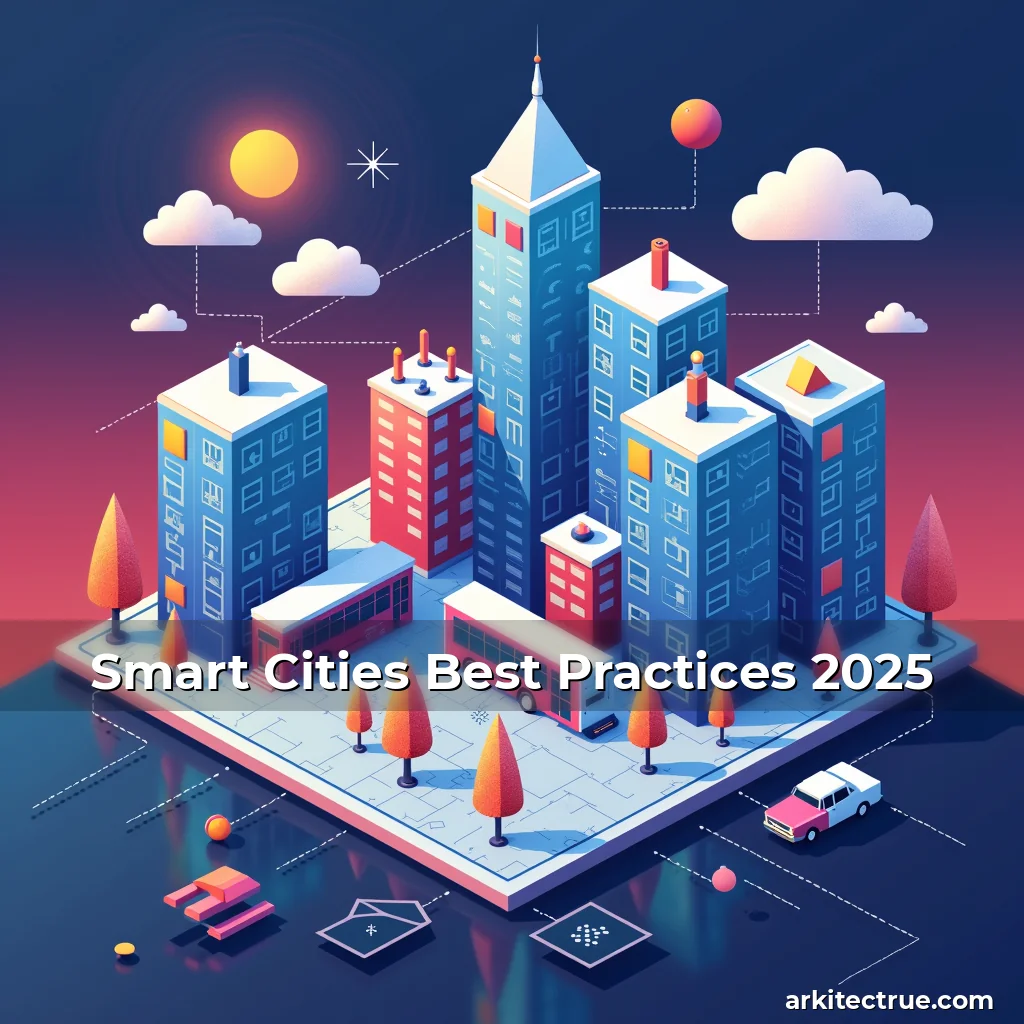
Smart Cities Best Practices 2025
In 2025, smart city initiatives are evolving beyond mere technological upgrades to become holistic ecosystems that integrate urban infrastructure, citizen engagement, and sustainable development. As architects and urban planners navigate these advancements, understanding best practices is essential to shaping resilient, inclusive, and future-ready environments.
The transformation toward smarter urban spaces demands collaboration across disciplines—spanning engineering, data science, policy-making, and design—to create solutions that address both immediate challenges and long-term goals. This guide explores strategies, technologies, and frameworks critical to building effective smart cities by 2025.
Fostering Citizen-Centric Design Through Data Transparency
Citizen participation lies at the heart of successful smart city projects. By leveraging open-data platforms and digital feedback mechanisms, municipalities can empower residents to contribute meaningfully to decision-making processes.
Data transparency builds trust between governing bodies and citizens while enabling informed choices regarding personal mobility, energy consumption, and public services. When individuals have access to real-time information, they can optimize their daily routines and advocate for improvements tailored to local needs.
Architects must consider how built environments facilitate or hinder civic engagement. For instance, designing walkable neighborhoods with accessible digital kiosks encourages interaction with municipal systems through intuitive interfaces.
- Implement participatory budgeting tools: Platforms allowing residents to allocate funds for neighborhood-specific projects foster inclusivity and accountability.
- Create interactive maps for service requests: Digital mapping applications enable users to report issues like potholes or broken streetlights efficiently.
These practices ensure that technology serves as an enabler rather than a barrier, promoting equitable access to resources and opportunities within urban landscapes.
Integrating Sustainable Infrastructure With Smart Technologies
Sustainable development remains a cornerstone of modern smart city frameworks. The integration of renewable energy sources, green building materials, and intelligent waste management systems is crucial for reducing environmental impact.
Achieving sustainability requires rethinking traditional infrastructure models. Smart grids capable of dynamically balancing electricity supply and demand play a pivotal role in integrating solar panels, wind turbines, and battery storage units seamlessly into urban networks.
Beyond energy efficiency, water conservation technologies such as sensor-equipped irrigation systems help minimize wastage without compromising landscape aesthetics or ecological health.
Green roofs and vertical gardens not only enhance biodiversity but also provide natural insulation against extreme temperatures—an increasingly vital consideration given climate change trends.
Architectural innovations focused on passive cooling techniques further reduce reliance on artificial heating/cooling systems during peak hours, contributing significantly to overall carbon footprint reduction efforts.
Leveraging IoT Sensors for Real-Time Urban Monitoring
The Internet of Things has revolutionized how cities monitor and manage various aspects of urban life—from traffic flow patterns to air quality levels. Strategically placed sensors collect vast amounts of data used to inform proactive maintenance schedules and emergency response protocols.
For example, embedded pavement sensors detect road surface conditions in real time, alerting authorities when repairs are necessary before incidents occur. Similarly, noise pollution monitoring devices identify areas requiring sound dampening measures based on collected decibel readings.
Pedestrian movement tracking via motion-sensing cameras aids in optimizing pedestrian pathways and ensuring safety around high-footfall zones like train stations or commercial districts.
Such continuous surveillance enables predictive analytics capabilities that go beyond reactive problem-solving towards anticipating potential disruptions before they escalate into crises.
However, implementing widespread IoT deployment necessitates robust cybersecurity measures to protect sensitive data from unauthorized access or malicious interference.
Enhancing Mobility Solutions Through Intelligent Transportation Systems
Urban congestion continues to be one of the most pressing concerns facing metropolitan regions worldwide. Intelligent transportation systems offer innovative approaches to managing vehicular flows more effectively while encouraging alternative modes of transport.
Autonomous vehicle fleets integrated with AI-driven route optimization algorithms promise significant reductions in travel times and fuel consumption compared to conventional driving methods.
E-bike sharing programs combined with dedicated bike lanes create low-emission micro-mobility options ideal for short-distance commuting scenarios common among上班族 populations.
Public transit enhancements include real-time GPS tracking features that allow passengers to plan journeys accurately using mobile apps displaying bus arrival estimates down to minute precision.
Moreover, adaptive signal control technology adjusts traffic light timings dynamically according to current road conditions, minimizing unnecessary stops and improving overall throughput capacity.
Building Resilient Cybersecurity Frameworks for Connected Environments
As interconnected systems become integral components of contemporary urban infrastructures, securing them against cyber threats becomes paramount. A single vulnerability could compromise entire city operations ranging from power distribution networks to emergency communication channels.
Cybersecurity architectures must evolve alongside technological progressions; adopting zero-trust security principles ensures that every device accessing network resources undergoes rigorous authentication checks regardless of its origin location.
Regular penetration testing sessions conducted by third-party experts help uncover weaknesses proactively before adversaries exploit them maliciously.
Education campaigns targeting both technical staff and general populace raise awareness about phishing attempts and social engineering tactics commonly employed by hackers aiming to breach secure databases containing personally identifiable information.
Collaborative partnerships between private sector entities specializing in cybersecurity solutions and governmental agencies streamline threat intelligence exchanges crucial for staying ahead of emerging risks.
Creating Inclusive Public Spaces Using Adaptive Architectural Techniques
Designing adaptable public realms caters to diverse user groups encompassing varying abilities, cultural backgrounds, and socioeconomic statuses. Universal design principles guide architects in crafting flexible environments where everyone feels welcomed and accommodated appropriately.
Multifunctional plazas equipped with modular furniture arrangements cater to different events ranging from farmer’s markets to outdoor concerts without necessitating complete structural overhauls each time activities change.
Wayfinding systems incorporating Braille signage along with auditory cues assist visually impaired individuals navigating complex urban layouts independently.
Community centers featuring co-working spaces encourage cross-generational interactions beneficial for fostering innovation driven by collaborative spirit inherent in creative industries thriving amidst vibrant cityscapes.
Furthermore, prioritizing mixed-use developments reduces dependency on automobiles thereby enhancing walkability scores which correlate strongly with improved mental well-being outcomes observed consistently across numerous demographic studies.
Optimizing Energy Efficiency Via Smart Grid Management
Energy-efficient grid configurations represent another key pillar supporting sustainable growth trajectories envisioned under smart city paradigms. Advanced metering infrastructures coupled with machine learning algorithms predict consumption patterns accurately facilitating better load management practices.
Demand-response programs incentivize consumers to shift non-critical usage periods away from peak hours thus alleviating strain on aging transmission lines prone to failure during high-demand seasons.
Microgrids operating autonomously during outages maintain essential functions uninterrupted even when primary utility providers experience regional blackouts caused by severe weather events affecting broader electrical grids.
Additionally, blockchain-based peer-to-peer energy trading platforms enable households generating surplus electricity through rooftop photovoltaic installations to sell excess power directly to neighboring residences bypassing intermediaries altogether.
This decentralized approach fosters localized resilience against systemic vulnerabilities present within centralized energy distribution models historically susceptible to cascading failures originating from singular points-of-failure locations.
Driving Economic Growth Through Innovation Hubs And Entrepreneurial Ecosystems
Establishing innovation hubs positioned strategically within urban cores stimulates entrepreneurial activity by aggregating talent pools comprising startup founders, investors, mentors, and research institutions engaged collectively in advancing disruptive technologies relevant today’s rapidly changing global economy.
Co-living accommodations integrated with shared office facilities lower barriers entry costs associated traditionally with launching ventures particularly advantageous early-stage enterprises seeking affordable yet productive workspaces conducive creativity flourish.
Government subsidies directed specifically toward clean tech startups accelerate market adoption rates enabling scalable solutions addressing pressing environmental challenges confronting communities globally affected differently depending upon geographical contexts.
Incubator programs offering mentorship tracks customized according individual business plans increase likelihood success stories emerging from incubation phases transitioning smoothly into full-fledged operational stages supported ongoing funding rounds secured through angel investor networks cultivated deliberately during pre-launch preparatory phases.
By cultivating supportive environments nurturing grassroots level inventions poised transforming everyday experiences positively impactful lives countless people residing dynamic metropolises experiencing constant evolution due relentless pace advancement occurring simultaneously across multiple sectors simultaneously.
Conclusion
Smart cities represent more than just advanced technology implementations—they embody visionary approaches aimed at creating livable, adaptable, and environmentally responsible urban settings suitable for generations to come.
Adopting best practices discussed above empowers stakeholders including architects, policymakers, technologists, and citizens alike working collaboratively toward realizing aspirational futures defined not solely by connectivity metrics but enriched human-centric values emphasizing equity accessibility prosperity intertwined seamlessly within physical fabric defining modern societies.
“`

news is a contributor at ArkitecTRUE. We are committed to providing well-researched, accurate, and valuable content to our readers.
You May Also Like



Related Posts

How to Choose Smart Cities: Expert Guide
May 21, 2026

Smart Cities vs Alternatives: Complete Comparison
May 20, 2026