
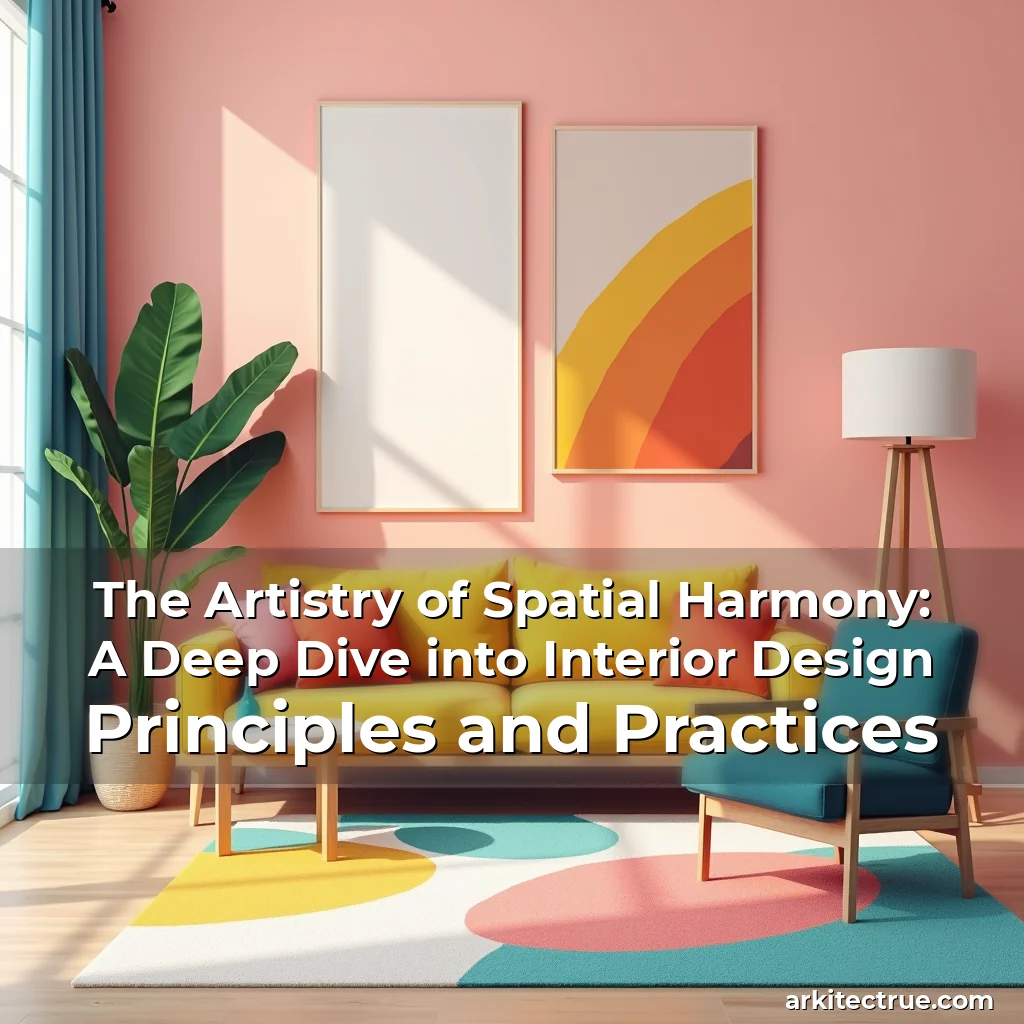
The Artistry of Spatial Harmony: A Deep Dive into Interior Design Principles and Practices
In an era where every square inch of living space holds immense value, interior design has evolved from mere decoration to a sophisticated discipline blending aesthetics, functionality, and human psychology. This field is not merely about selecting furniture or choosing paint colors; it’s a strategic process that transforms empty spaces into environments tailored to individual needs and lifestyles.
From the grandeur of architectural masterpieces to the intimacy of personal living rooms, interior design shapes how we interact with our surroundings daily. It influences everything from mood and productivity to health and well-being through thoughtful spatial arrangement and material selection.
Fundamental Pillars of Effective Interior Design
The foundation of any successful interior design project rests upon several core principles that guide both professionals and enthusiasts alike. These foundational elements create a framework within which creativity can flourish while ensuring practicality remains intact.
One such principle is balance, which refers to the distribution of visual weight across a room. Achieving equilibrium involves careful consideration of furniture placement, color schemes, and decorative accents. Properly balanced interiors prevent feelings of instability or clutter, promoting a sense of calm and order.
Symmetry plays a crucial role in creating visually pleasing compositions. However, asymmetrical designs often offer greater flexibility and dynamism when executed thoughtfully. The key lies in maintaining harmony without sacrificing uniqueness or personality.
- Proportion: Ensuring all elements are appropriately sized relative to each other creates a cohesive look. Large pieces should be complemented by smaller accessories rather than overwhelming them.
- Rhythm: Repeating patterns or textures at regular intervals establishes movement within a space, guiding the eye naturally around the environment.
Contrast adds depth and interest to any interior setting. Strategic use of contrasting colors, materials, or forms prevents monotony while highlighting focal points effectively. When applied correctly, contrast enhances visual appeal without compromising overall cohesion.
Variety introduces diversity without disrupting unity. By incorporating different shapes, finishes, and styles, designers avoid predictability while keeping the space engaging and dynamic. Thoughtful variety ensures each element contributes positively to the whole composition.
The Role of Color Psychology in Interior Spaces
Color is one of the most powerful tools available to interior designers, capable of evoking emotions, influencing behavior, and defining the character of a space. Understanding color theory allows designers to make informed choices that align with client preferences and psychological effects.
Cool tones such as blues and greens tend to promote relaxation and serenity. These hues are particularly effective in bedrooms, bathrooms, and meditation areas where tranquility is essential. Warm colors like reds and oranges stimulate energy and passion but may be less suitable for spaces requiring calmness.
Neutral palettes provide versatility and timelessness, making them ideal for those who prefer adaptability over bold statements. Whites, grays, and earthy tones serve as excellent backdrops for accentuating vibrant decor items while offering a sense of sophistication.
The impact of color extends beyond aesthetics; studies have shown that certain shades can affect cognitive performance and emotional states. For instance, blue environments are associated with increased productivity, while yellow promotes optimism and warmth.
When designing workspaces or learning environments, considering these psychological aspects becomes paramount. Selecting appropriate color schemes based on intended functions ensures optimal comfort and efficiency for occupants.
Case Study: Transformative Power of Color Application
A notable example illustrating color’s influence comes from an office redesign project in New York City. By implementing a soft green palette throughout open-plan workstations, designers reported improved employee morale and reduced stress levels among staff members.
This transformation was supported by surveys indicating higher satisfaction rates regarding workspace ambiance post-renovation. Employees expressed feeling more relaxed yet focused compared to previous settings dominated by stark white walls and fluorescent lighting.
Material Selection: Enhancing Functionality Through Texture and Durability
The choice of materials significantly impacts both the aesthetic quality and functional performance of an interior space. From flooring options to wall coverings, each decision affects comfort, maintenance requirements, and long-term durability.
Natural materials like wood and stone bring organic warmth and authenticity into modern interiors. Their inherent textures add dimension while providing tactile experiences that synthetic alternatives struggle to replicate convincingly.
On the other hand, engineered surfaces such as laminate countertops or vinyl floors offer cost-effective solutions with enhanced resistance against wear and tear. They allow homeowners to achieve desired looks without compromising on practical considerations related to upkeep and longevity.
Mixing various types of materials strategically can elevate design complexity without appearing chaotic. Combining smooth ceramics with rough-hewn timber or pairing sleek metals with plush fabrics enables layered expressions that speak volumes about style sensibilities.
Considering sustainability factors also plays an increasingly vital role today. Eco-friendly materials made from recycled components contribute positively towards environmental conservation efforts while meeting contemporary design standards effortlessly.
Ergonomics and Human-Centered Design Approaches
Creating comfortable living environments goes beyond visual appeal—it requires deep understanding of ergonomic principles governing human interaction with physical objects. Ergonomic design optimizes usability so individuals can perform tasks efficiently without undue strain.
Kitchen layouts exemplify this approach best. Work triangles formed between sink, stove, and refrigerator minimize unnecessary movements during meal preparation. Similarly, adjustable seating arrangements accommodate diverse body sizes and mobility needs seamlessly.
Incorporating flexible storage solutions further supports user convenience. Customizable shelving systems enable easy reorganization according to changing priorities or seasonal demands, fostering adaptable living conditions that evolve alongside inhabitants’ lifestyles.
Lighting configurations must also adhere strictly to ergonomic guidelines. Natural daylight exposure regulates circadian rhythms effectively whereas artificial illumination should mimic natural light cycles wherever possible for optimal alertness and restfulness periods.
By prioritizing accessibility features—such as widened doorways, lever handles instead of knobs, and non-slip floor treatments—designers ensure inclusivity remains central throughout their creative processes regardless of age group served.
Integrating Technology Seamlessly Into Living Environments
Modern interior design necessitates intelligent integration of technology without sacrificing elegance or simplicity. Smart home devices now play pivotal roles in enhancing security, entertainment capabilities, and energy management efficiencies simultaneously.
Hidden wiring solutions maintain clean lines while allowing full utilization of smart thermostats, automated blinds, and voice-controlled assistants. Discreet installation techniques preserve minimalist aesthetics even amidst advanced technological functionalities.
Home theaters represent another arena where tech integration shines brightest. Projection screens retract smoothly behind custom cabinetry, soundproofing panels blend harmoniously with acoustic treatments, and ambient lighting adjusts automatically depending on viewing modes activated via remote controls.
Wireless charging stations embedded within coffee tables or nightstands eliminate cable clutter while supporting mobile device usage conveniently. These subtle incorporations reflect growing demand for seamless digital connectivity within residential contexts globally.
Smart glass windows demonstrate innovative applications too—they transition between transparent states for outdoor visibility versus opaque ones during privacy-sensitive times, merging form with function exceptionally well.
The Influence of Cultural Heritage On Contemporary Interiors
Cultural heritage profoundly shapes interior design trends worldwide, infusing traditional motifs with modern interpretations continuously evolving landscapes. This interplay enriches global architecture vocabulary by preserving historical narratives through contemporary lenses.
Japanese minimalism emphasizes clean surfaces paired with nature-inspired elements like tatami mats or shoji screens. Such characteristics translate beautifully into Western homes seeking serene atmospheres devoid of excess ornamentation yet rich in sensory engagement opportunities.
Indian craftsmanship manifests itself through intricate textiles featuring floral prints or geometric patterns commonly found adorning cushions, drapes, and rugs. Incorporating these handmade artifacts introduces cultural richness into otherwise neutral backgrounds effectively.
Moroccan tilework provides striking contrasts using bold colors arranged symmetrically around fountains or entryways. While traditionally used outdoors, adapted versions find place indoors as statement pieces contributing vibrancy to otherwise subdued interiors.
Ultimately, respecting origins while adapting traditions creatively leads to uniquely personalized spaces reflecting broader societal values rooted deeply within collective memories shared across generations.
Trends Shaping Future Directions In Interior Design
Interior design continues its trajectory toward innovation driven largely by sustainability concerns coupled with rapid technological advancements reshaping industry expectations permanently. Current trends indicate significant shifts away from conventional approaches embracing eco-conscious methodologies earnestly.
Biomimicry emerges as promising direction wherein architects draw inspiration from biological structures observed in nature to solve complex problems efficiently. Structures mimicking termite mounds regulate internal temperatures passively reducing reliance upon mechanical heating/cooling systems considerably.
Biophilic design reinforces connection between people and nature artificially integrated into built environments. Elements including indoor gardens, water features, and natural materials enhance occupant wellness visibly improving mental clarity and physical vitality noticeably.
Modular furniture gains popularity due increasing preference towards multifunctional setups accommodating shifting lifestyle demands fluidly. Convertible sofas transforming into beds overnight illustrate versatile adaptations satisfying varied usage scenarios comfortably.
Lastly, circular economy principles advocate reuse/recycling strategies minimizing waste generation throughout product lifecycle stages thoroughly. Furniture designed for disassembly facilitates component recycling easily thus extending useful life expectancy substantially.
Conclusion
Interior design transcends surface-level embellishments becoming instrumental force shaping our lived experiences meaningfully. It encapsulates artistry blended skillfully with scientific rigor producing holistic environments nurturing both mind and spirit equally.
As we navigate future challenges ahead, embracing inclusive practices grounded firmly in respect for cultural legacies combined with forward-thinking technologies promises exciting possibilities awaiting exploration eagerly by passionate communities worldwide united under common goal—crafting beautiful lives together.

news is a contributor at ArkitecTRUE. We are committed to providing well-researched, accurate, and valuable content to our readers.
You May Also Like



Related Posts

Fay and Gus Jones Legacy Endowment
April 23, 2025

Architecture: A Synthesis of Art, Science, and Culture
April 21, 2025
