Advanced Eco-Friendly Construction Techniques and Methods
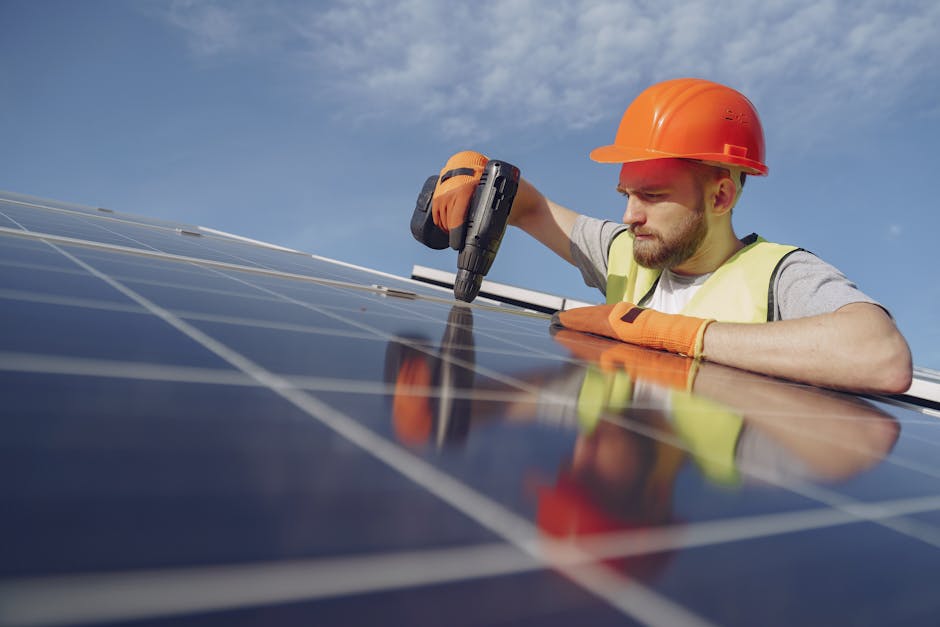
The Future is Green: Pioneering Sustainable Building Practices in Modern Architecture
Eco-friendly construction is transforming the architectural landscape by integrating sustainability principles into every phase of building design and execution. This innovative approach prioritizes environmental responsibility without compromising functionality or aesthetics.
With climate change concerns driving demand for greener solutions, architects are redefining traditional practices through energy-efficient materials, renewable resources, and intelligent design strategies that minimize ecological impact.
Redefining Materials Science for Environmental Stewardship
Innovative material selection forms the foundation of sustainable architecture. Builders now prioritize recycled steel, low-VOC paints, and bio-based composites over conventional alternatives. These choices significantly reduce carbon footprints while maintaining structural integrity.
The adoption of cross-laminated timber (CLT) exemplifies this shift. This engineered wood product offers strength comparable to concrete but sequesters carbon rather than emitting it during production. Its use reduces embodied energy by up to 60% compared to traditional materials.
- Bamboo: A rapidly regenerating resource ideal for flooring and cabinetry applications
- Cork: Provides natural insulation properties while being completely biodegradable
- Recycled Glass Aggregate: Creates lightweight yet durable concrete mixtures with reduced thermal expansion
- Mycelium Insulation: Engineered fungal networks offer exceptional thermal performance and fire resistance
Energy Efficiency Through Intelligent Design Strategies
Architectural innovation extends beyond materials to encompass holistic building systems. Passive solar design maximizes natural light and heat gain while minimizing mechanical system reliance. Strategic window placement and orientation optimize these benefits across different climates.
Advanced glazing technologies further enhance efficiency. Triple-pane windows with argon gas fillings can reduce heating demands by up to 40%. Combined with smart shading devices, they create adaptive environments that respond to changing weather conditions.
Building automation systems represent another critical component. These digital platforms monitor and adjust lighting, HVAC, and occupancy levels in real-time, reducing energy waste by as much as 30% in commercial buildings.
Water Conservation Innovations in Contemporary Construction
Sustainable architecture addresses water management holistically. Rainwater harvesting systems collect and store precipitation for non-potable uses such as irrigation and toilet flushing. When integrated with greywater recycling systems, these approaches can reduce municipal water consumption by over 50%.
Low-flow fixtures play an equally vital role. Dual-flush toilets and sensor-activated faucets decrease indoor water usage without sacrificing user experience. In residential settings, these measures often lead to annual savings exceeding $200 per household.
Smart Irrigation Systems
Modern landscaping incorporates soil moisture sensors and weather-based controllers to optimize outdoor watering schedules. These technologies prevent runoff and ensure efficient water distribution tailored to actual plant needs.
Data analytics enhances these systems further. Machine learning algorithms analyze historical weather patterns and soil data to predict optimal irrigation times, achieving up to 35% reduction in outdoor water consumption.
Waste Reduction Through Circular Economy Principles
Eco-conscious builders embrace circular economy models that emphasize reuse and repurposing. Deconstruction techniques preserve salvageable materials instead of demolishing structures entirely. This approach diverts thousands of tons of debris from landfills annually.
On-site fabrication methods also contribute to waste minimization. Prefabrication components offsite allow precise material cutting, reducing excess scraps by up to 90% compared to traditional construction processes.
Material recovery facilities process demolition waste into new products. Crushed concrete becomes aggregate for road bases, while metals get melted down for remanufacturing, creating closed-loop systems that extend material lifecycles indefinitely.
Green Certifications Driving Industry Standards
Accreditation programs establish benchmarks for sustainable development. LEED certification evaluates projects based on energy efficiency, water conservation, and indoor environmental quality metrics. Achieving higher ratings often correlates with increased property values and occupant satisfaction.
Other notable frameworks include BREEAM in Europe and the Living Building Challenge globally. These certifications encourage architects to exceed minimum regulatory requirements, fostering continuous improvement in green building practices.
The International Green Construction Code provides baseline standards applicable worldwide. As governments increasingly adopt these guidelines, they become de facto industry norms shaping future construction trends.
Healthier Indoor Environments Through Material Selection
Indoor air quality has emerged as a critical concern in modern construction. Low-emission materials prevent volatile organic compound release, improving respiratory health for occupants. Natural ventilation strategies complement these efforts by enhancing air circulation without relying solely on mechanical systems.
Biophilic design elements further benefit mental well-being. Incorporating living walls, natural textures, and abundant daylighting creates spaces that promote productivity and reduce stress-related illnesses among occupants.
Moisture control remains essential in preventing mold growth. Proper vapor barriers and humidity regulation systems maintain healthy indoor conditions year-round, particularly crucial in high-moisture areas like bathrooms and kitchens.
Renewable Energy Integration in Architectural Planning
Net-zero energy buildings combine passive design features with active renewable systems. Solar photovoltaics generate electricity while rooftop gardens provide additional insulation. Wind turbines may supplement power generation in suitable locations, though their effectiveness depends heavily on local wind patterns.
Geothermal heat pumps leverage stable underground temperatures for heating and cooling. These systems achieve efficiencies three times greater than conventional HVAC units, making them ideal for both residential and commercial applications.
Battery storage solutions enable surplus energy capture for later use. Pairing renewables with smart grid technology allows buildings to sell excess power back to utility providers, creating potential revenue streams while ensuring consistent energy availability.
Community Impact and Social Responsibility in Eco-Friendly Development
Sustainable architecture extends beyond individual buildings to influence entire communities. Mixed-use developments with walkability reduce vehicle dependency, lowering emissions associated with transportation. Public spaces designed with universal accessibility principles foster inclusivity and social interaction.
Affordable housing initiatives demonstrate commitment to equitable development. By incorporating green building techniques in lower-income neighborhoods, developers help bridge the gap between sustainability goals and economic realities.
Educational components within projects raise awareness about environmentally responsible habits. Interactive displays and signage inform residents about energy-saving behaviors and maintenance best practices for green infrastructure.
Emerging Technologies Reshaping the Future of Green Building
Artificial intelligence is revolutionizing construction methodologies. Predictive analytics optimizes material procurement and scheduling, reducing delays and waste. Digital twins simulate entire building operations, enabling preemptive maintenance and performance optimization before physical implementation.
Additive manufacturing presents groundbreaking possibilities. 3D printing with recycled plastics and other sustainable materials enables rapid prototyping and on-demand construction. This technology minimizes material waste while allowing complex geometries previously unachievable with traditional methods.
Blockchain technology enhances transparency in supply chains. It tracks material origins and ensures ethical sourcing, giving stakeholders verifiable proof of sustainability claims. Smart contracts automate compliance verification, streamlining certification processes.
Overcoming Challenges in Widespread Adoption
Despite its many advantages, transitioning to eco-friendly construction faces several hurdles. Initial costs remain a significant barrier for some developers, although long-term savings often offset these expenses. The payback period varies depending on project scale and location-specific factors.
Regulatory inconsistencies complicate widespread implementation. Differing codes between jurisdictions sometimes hinder uniform application of green standards. However, growing international cooperation suggests improved alignment in coming years.
Labor training represents another challenge. Skilled workers must learn new techniques and understand advanced systems, requiring investment in education and professional development programs. Government incentives could accelerate this transition process.
Measuring Success: Key Performance Indicators for Sustainable Projects
Quantifying environmental impact requires standardized metrics. Energy use intensity (EUI) measures a building’s operational efficiency relative to its size. Lower EUI values indicate better performance in terms of energy consumption and cost savings.
Embodied carbon calculations assess the total greenhouse gas emissions from material production, transportation, and installation phases. Reducing this metric contributes significantly to overall sustainability goals.
Occupancy satisfaction surveys gauge how effectively designs meet human needs. Metrics related to comfort, air quality, and natural light exposure provide insight into the success of interior environment strategies.
Conclusion
Eco-friendly construction represents a fundamental shift toward harmonious coexistence between built environments and nature. By embracing sustainable materials, energy-efficient systems, and forward-thinking design philosophies, we’re laying the groundwork for resilient, adaptable cities of the future.
The journey toward complete sustainability will require continued innovation and collaboration across disciplines. Architects, engineers, policymakers, and communities must work together to overcome challenges and fully realize the transformative potential of green building practices.