The Evolution of Architectural Innovation: Redefining Spaces Through Creativity and Technology
In an era where architecture is not merely about constructing buildings but reimagining entire environments, architectural innovation has emerged as a driving force behind modern design. This evolution reflects a deep commitment to sustainability, functionality, and aesthetic excellence.
From the integration of smart technologies to the use of sustainable materials, architects are continuously pushing boundaries to create structures that resonate with both form and function.
The Role of Sustainable Materials in Modern Architecture
Sustainable materials have become a cornerstone of contemporary architectural practices, emphasizing environmental responsibility without compromising structural integrity.
Materials such as recycled steel, bamboo, and reclaimed wood offer innovative solutions that reduce carbon footprints while maintaining durability and versatility.
- Bamboo: Known for its rapid growth rate and tensile strength, bamboo is increasingly used in flooring, walls, and even load-bearing structures.
- Recycled Steel: Offers high recyclability rates and reduces the need for virgin resources, making it ideal for frameworks and facades.
The adoption of these materials also aligns with global initiatives aimed at reducing greenhouse gas emissions and promoting eco-friendly construction methods.
A case study from Singapore’s Green Mark Scheme highlights how incorporating sustainable materials can lead to energy-efficient buildings that significantly lower operational costs over time.
Smart Technologies Transforming Building Design
Advancements in smart technology have revolutionized building design by enhancing efficiency, security, and user experience within spaces.
Integrating systems like automated lighting controls, climate regulation, and real-time monitoring allows for adaptive environments tailored to occupants’ needs.
For instance, intelligent sensors detect occupancy levels, adjusting temperature settings dynamically to conserve energy while ensuring comfort.
This level of automation not only improves daily living conditions but also contributes to long-term cost savings through reduced utility consumption.
Case Study: The Edge in Amsterdam
The Edge, often dubbed ‘the greenest office building in the world,’ exemplifies cutting-edge smart technology application. It uses around 70% less electricity than traditional offices due to its advanced sensor network.
Occupants benefit from personalized workspace configurations via apps, which adjust lighting and temperature preferences based on individual schedules and behaviors.
Data collected from these interactions helps refine future designs, creating feedback loops essential for continuous improvement in architectural innovation.
Biophilic Design: Bridging Nature and Built Environments
Biophilic design integrates natural elements into built environments to enhance occupant well-being and productivity.
This approach includes features like indoor plants, natural light expo
Studies indicate that biophilic elements can reduce stress levels among employees and increase overall satisfaction with their workspaces.
Firms implementing biophilic strategies report improved employee retention rates and enhanced creativity across various departments.
Circular Economy Principles in Construction
Adopting circular economy principles transforms construction waste management into opportunities for resource recovery and reuse.
By designing buildings with deconstruction in mind, components can be disassembled easily at end-of-life stages for repurposing rather than disposal.
Modular construction techniques facilitate this process, enabling parts to be replaced individually instead of rebuilding entire structures when modifications are required.
Such methodologies promote resilience against obsolescence and support ongoing adaptation to changing societal demands.
Digital Fabrication Techniques Enhancing Precision and Efficiency
Digital fabrication tools allow architects to explore complex geometries previously deemed impractical or too costly to achieve manually.
Technologies like 3D printing enable rapid prototyping and customized component production, significantly reducing material waste during development phases.
These advancements permit greater experimentation with form and structure, leading to visually striking yet structurally sound edifices.
Moreover, digital modeling software enhances collaboration between designers and engineers by providing precise visualizations before actual construction begins.
The Influence of Parametric Design on Contemporary Structures
Parametric design utilizes algorithms to generate forms that respond dynamically to inputs such as site conditions or user requirements.
This method fosters fluidity in architectural expression, allowing creations that adapt seamlessly to contextual factors without sacrificing coherence.
Projects employing parametric approaches showcase intricate detailing that would be difficult—if not impossible—to achieve using conventional drafting methods alone.
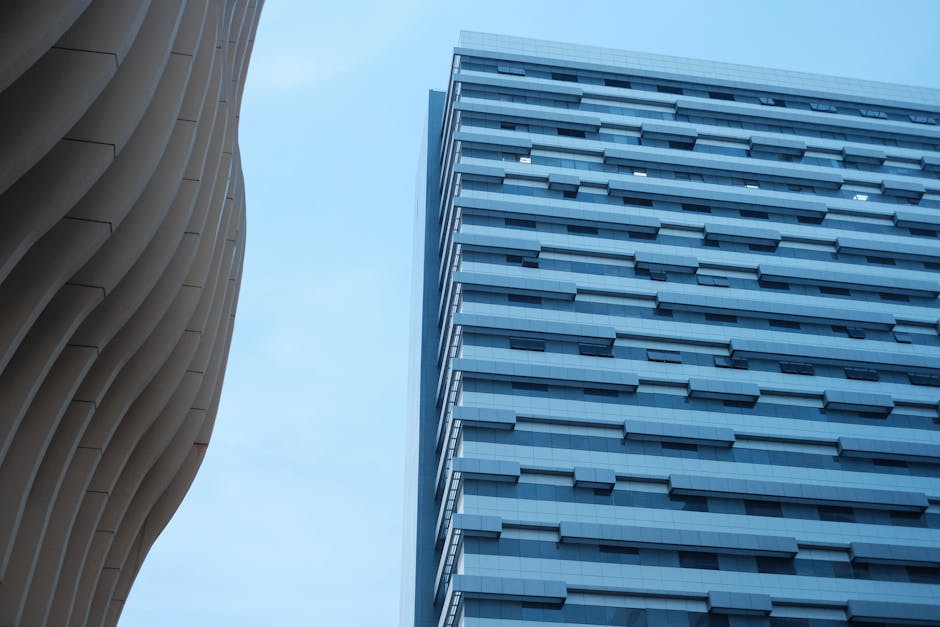
Examples range from undulating façades optimized for solar gain reduction to responsive interiors capable of altering spatial dynamics according to external stimuli.
Evolving Trends in Urban Planning and Smart Cities
Urban planning today prioritizes connectivity, inclusivity, and ecological balance as key determinants of successful cityscapes.
Architects collaborate closely with urban planners to ensure developments meet current standards while anticipating future challenges related to population growth and climate change impacts.
Smart cities leverage IoT devices embedded within infrastructure networks to monitor traffic flow, manage waste collection routes efficiently, and provide public safety enhancements.
These integrated systems aim at optimizing urban life quality through data-driven decision-making processes involving residents’ input at every stage of planning.
Community Engagement in Shaping Future Landscapes
Engaging local communities plays a vital role in shaping inclusive landscapes that reflect diverse cultural identities and social values.
Participatory design workshops encourage stakeholders—from schoolchildren to senior citizens—to contribute ideas regarding communal areas or recreational facilities within proposed projects.
Such involvement ensures that final outcomes resonate deeply with those who will inhabit them most intimately, fostering pride and ownership among inhabitants.
Successful examples demonstrate increased usage rates of amenities designed collaboratively compared to top-down imposition models.
Education and Research Driving Forward-thinking Solutions
Educational institutions play pivotal roles in nurturing next-generation architects equipped with knowledge spanning theoretical understanding alongside practical skills.
Research programs focusing on emerging trends—like AI applications in design optimization—prepare students for careers addressing tomorrow’s challenges head-on.
Collaborations between academia and industry sectors accelerate implementation timelines for experimental concepts tested initially under academic supervision.
Students exposed early to interdisciplinary learning paths develop versatile toolkits applicable across varied contexts globally.
Global Perspectives on Architectural Innovation
Varying regional priorities influence distinct trajectories of architectural advancement worldwide; however common threads weave together shared aspirations toward better-built environments everywhere.
Developed nations may prioritize technological sophistication whereas developing regions might emphasize affordability combined with disaster-resilience measures against frequent natural calamities.
Cultural heritage preservation efforts highlight another dimension where tradition meets modernity—a delicate balancing act requiring sensitive handling from professionals involved.
International collaborations foster cross-pollination of ideas enriching collective wisdom available for tackling universal issues faced collectively by humanity at large.
Challenges Facing Innovators Today
Despite remarkable progress made thus far, innovators still grapple with obstacles ranging from regulatory hurdles limiting experimentation possibilities to funding constraints stifling ambitious undertakings.
Navigating bureaucratic red tape often delays realization timelines considerably impacting project viability especially when dealing with unproven methodologies or unconventional materials.
Additionally, convincing investors willing to take risks associated with pioneering ventures remains challenging despite demonstrable benefits derived therefrom later on down the line.
However overcoming these barriers could potentially unlock unprecedented breakthroughs transforming our relationship with physical surroundings permanently.
Future Outlook and Emerging Frontiers
Looking ahead, several promising frontiers await exploration including further refinement of self-healing concrete formulations currently being researched extensively internationally.
Furthermore, advances expected soon in neural interface technologies promise direct communication channels linking human cognition with digital constructs reshaping interaction paradigms entirely anew.
As we stand on precipice awaiting these transformations unfold gradually over coming decades, remaining vigilant towards ethical implications becomes paramount lest unforeseen consequences arise unexpectedly ahead.
Ultimately embracing openness coupled with measured caution shall determine success stories written history books concerning how mankind chose navigate path forward together responsibly.
Conclusion
Architectural innovation continues evolving rapidly driven largely by convergence occurring between disciplines never before considered interrelated priorly.
Whether through incorporation of nature-inspired designs or leveraging artificial intelligence capabilities residing dormant inside machines waiting activation commands issued thoughtfully crafted intent behind each creation matters immensely determining legacy left behind.
By championing responsible stewardship of planet Earth along side relentless pursuit excellence wherever found possible regardless geographical location dictates limitations encountered day-to-day existence itself ultimately defines true measure greatness achievable within field.
Therefore let us continue striving relentlessly toward horizons filled infinite potential realizing dreams shaped imagination guided compass pointing always northward direction representing highest ideals embodied spirit architectural profession universally recognized worldwide.

news is a contributor at ArkitecTRUE. We are committed to providing well-researched, accurate, and valuable content to our readers.
You May Also Like