
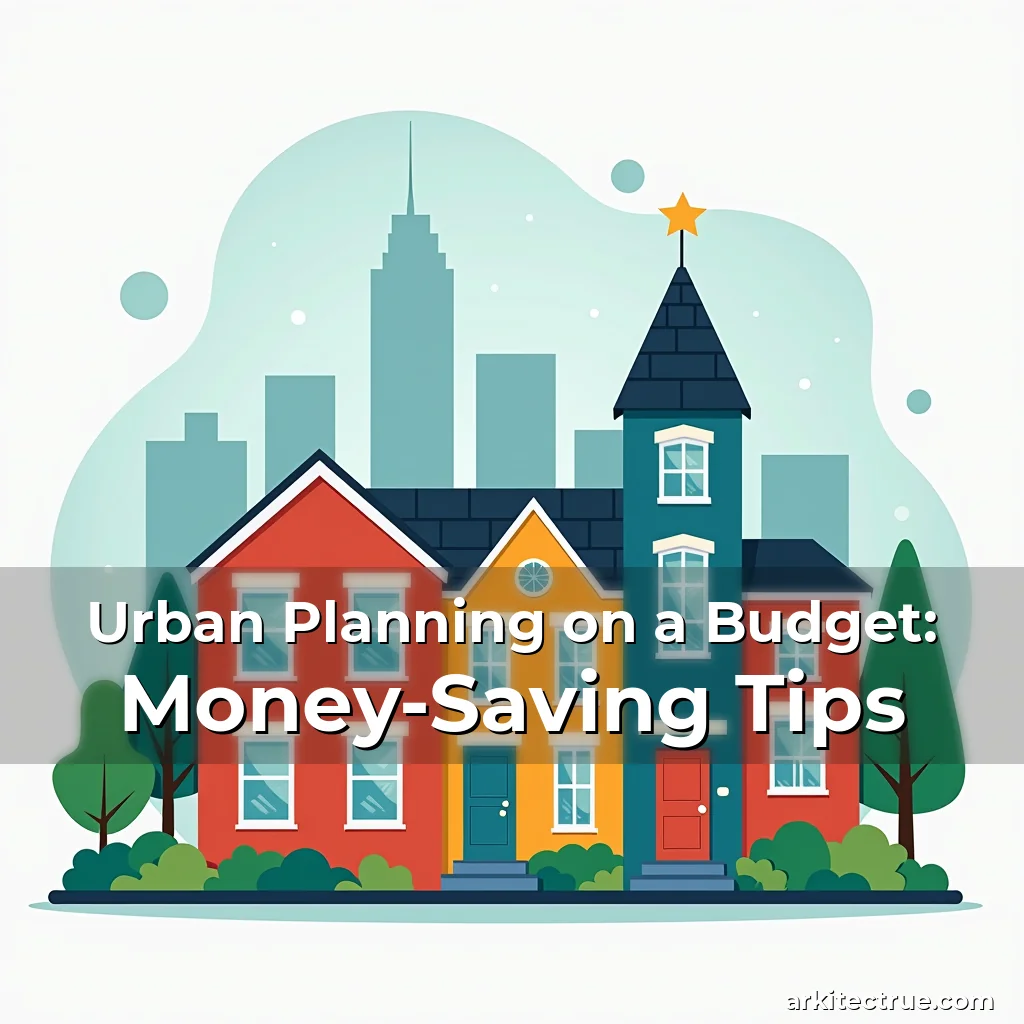
Evolving Challenges in Contemporary Urban Design
Rapid global urbanization presents new challenges for planners aiming to maintain quality living standards. By 2050, nearly 70% of the world’s population will reside in urban areas according to United Nations projections.
Managing congestion, pollution, and housing shortages demands creative problem-solving skills among architects and designers working together with local governments.
Climate resilience has emerged as a critical concern, requiring cities to implement measures against rising sea levels and extreme weather events.
Digital transformation offers tools like GIS mapping software which enable data-driven decision making processes in real-time scenarios.
Tackling Climate Resilience Through Innovative Strategies
A recent study published in Nature Communications found that incorporating nature-based solutions could reduce flood risks by up to 35% in coastal megacities facing rising ocean levels.
Cities like Rotterdam exemplify successful implementation through projects featuring floating buildings and water-absorbing plazas designed specifically for heavy rainfall seasons.
These initiatives demonstrate how forward-thinking planning can transform potential threats into opportunities for enhanced urban experiences.
Collaborative efforts involving engineers, ecologists, and policymakers ensure these innovations remain practical and scalable across diverse geographical contexts.
Fostering Inclusive Communities Through Thoughtful Design
Social inclusivity lies at the heart of effective urban planning practices today. Ensuring equal access to services and amenities benefits all residents regardless of socioeconomic background.
Public participation plays a pivotal role in shaping policies that reflect community values accurately. Engaging citizens during planning phases helps identify unmet needs effectively.
Universal design principles promote accessibility for individuals with disabilities through features such as ramped entrances and tactile paving surfaces along sidewalks.
Creating mixed-income housing developments prevents segregation based solely on financial status while fostering stronger neighborhood bonds.
Revitalizing Existing Spaces Without Expanding Outwards
As available land becomes scarcer in densely populated regions, revitalization emerges as an alternative strategy to expansionist models of growth.
Adaptive reuse transforms abandoned industrial sites into vibrant cultural hubs filled with cafes, galleries, and co-working spaces that attract young entrepreneurs.
Implementing brownfield remediation techniques allows previously contaminated lands to be repurposed safely for residential or commercial purposes after thorough decontamination processes.
This approach supports sustainability goals by reducing sprawl associated with outward expansion while preserving natural habitats outside city limits.
Case Study: Transforming Detroit’s Vacant Lots Into Green Infrastructure
Detroit faced significant challenges due to high vacancy rates following economic decline; however, innovative programs turned empty lots into functional assets benefiting entire communities.
The Motor City Greenways initiative converted former parking lots into lush parks providing much-needed recreation spaces amid concrete jungles. These transformed areas now serve dual roles as stormwater management systems too.
Such transformations illustrate how strategic investments in existing infrastructures can yield substantial returns in terms of improved quality of life metrics.
Community involvement was central throughout this process, ensuring resulting spaces met genuine local needs rather than imposed external visions alone.
Bridging Gaps Between Transportation Systems And Residential Zones
Integrated multimodal transport networks enhance mobility options significantly, especially for low-income populations who may lack personal vehicles.
Transit-oriented development focuses on placing residential complexes near mass transit stops thereby encouraging usage of buses, trains, and subways regularly.
Creating bike lanes connected seamlessly with pedestrian pathways improves safety profiles simultaneously promoting eco-conscious travel habits naturally.
Smart traffic management systems utilizing AI algorithms optimize signal timings dynamically adapting to fluctuating volumes throughout day cycles efficiently.
Leveraging Technology To Enhance Citizen Engagement
Digital platforms empower residents to contribute meaningfully towards shaping their built environment despite logistical barriers often associated with traditional consultation methods.
Virtual reality simulations allow stakeholders visualize proposed changes accurately assessing impacts before construction begins saving costs later stages.
Data analytics tools track footfall patterns identifying underutilized spaces ripe for redevelopment maximizing resource efficiency gains substantially.
Mobile applications facilitate real-time feedback mechanisms enabling continuous improvement loops responsive directly to citizen priorities evolving constantly.
Building Sustainable Energy Frameworks Within Urban Contexts
Transitioning away from fossil fuels necessitates rethinking energy consumption models applicable uniquely within dense metropolitan settings characterized by high demand intensity.
Microgrids offer localized power generation capabilities enhancing grid reliability particularly during outages caused by severe weather occurrences frequently affecting big cities globally.
Integrating renewable sources such as solar panels atop buildings contributes progressively towards carbon neutrality targets set forth internationally via agreements like Paris Accord commitments.
Energy-efficient building codes mandate minimum performance standards ensuring structures consume less electricity overall minimizing ecological footprint consistently across sectors involved.
Preserving Cultural Heritage Amidst Rapid Development Cycles
Modernization pressures sometimes threaten historic landmarks risking loss of identity markers integral to community cohesion historically cultivated over generations.
Historic preservation ordinances protect designated heritage sites preventing demolition unless compelling reasons exist justifying such actions after rigorous review procedures.
Adaptive reuse preserves architectural character while accommodating contemporary functions maintaining continuity between past and present expressions creatively.
Successful examples include repurposing old train stations into museums or libraries retaining original façades combined with updated interiors meeting current usability expectations effectively.
Addressing Health Impacts Of Poorly Designed Environments
Unhealthy urban environments exacerbate chronic illnesses disproportionately impacting vulnerable groups lacking resources for mitigation personally.
Walkability scores correlate strongly with lower obesity rates demonstrating direct links between physical activity levels achievable within well-planned districts versus car-dependent suburbs.
Access to fresh food outlets influences dietary choices significantly decreasing prevalence of nutrition-related diseases when proximity guarantees availability reliably.
Mental health benefits accrue from exposure to greenspaces shown scientifically to alleviate stress symptoms commonly experienced amidst hectic urban lifestyles chronically.
Future Trends Shaping Tomorrow’s Urban Landscapes
Emerging technologies promise transformative changes in how we conceptualize and execute urban planning endeavors tomorrow compared to conventional approaches established yesterday.
Autonomous vehicle adoption will reshape street configurations requiring redesign considerations focusing on reduced need for wide roadways traditionally allocated exclusively automobiles.
Advancements in materials science produce lighter, stronger components facilitating taller skyscrapers constructed sustainably using recycled composites manufactured locally cutting shipping emissions drastically.
Blockchain technology enables transparent tracking of land transactions increasing trust levels among participants engaged in property dealings irrespective geographic locations separating them physically.
Conclusion
Urban planning remains a dynamic profession continually adapting to address emerging societal needs through innovative methodologies grounded firmly upon foundational principles established decades ago.
By embracing interdisciplinary collaborations spanning engineering disciplines, social sciences research fields, digital innovation frontiers equally, practitioners position themselves strategically advantageously navigating complexities inherent within modern cities effectively.
Engaging actively with local governance bodies ensures voices representing diverse interests receive appropriate attention required transforming theoretical ideals into tangible realities visibly observable within everyday surroundings encountered routinely.
Ultimately, investing thoughtfully planned urban environments yields enduring dividends measured not merely economically but profoundly in terms of human well-being outcomes realized collectively across generations inhabiting shared spaces responsibly maintained continuously.

news is a contributor at ArkitecTRUE. We are committed to providing well-researched, accurate, and valuable content to our readers.
You May Also Like


Related Posts
Urban Planning Best Practices 2025
February 22, 2026
Quick Urban Planning Solutions Under 30 Minutes
February 23, 2026

Best Urban Planning Tips and Strategies
February 18, 2026