
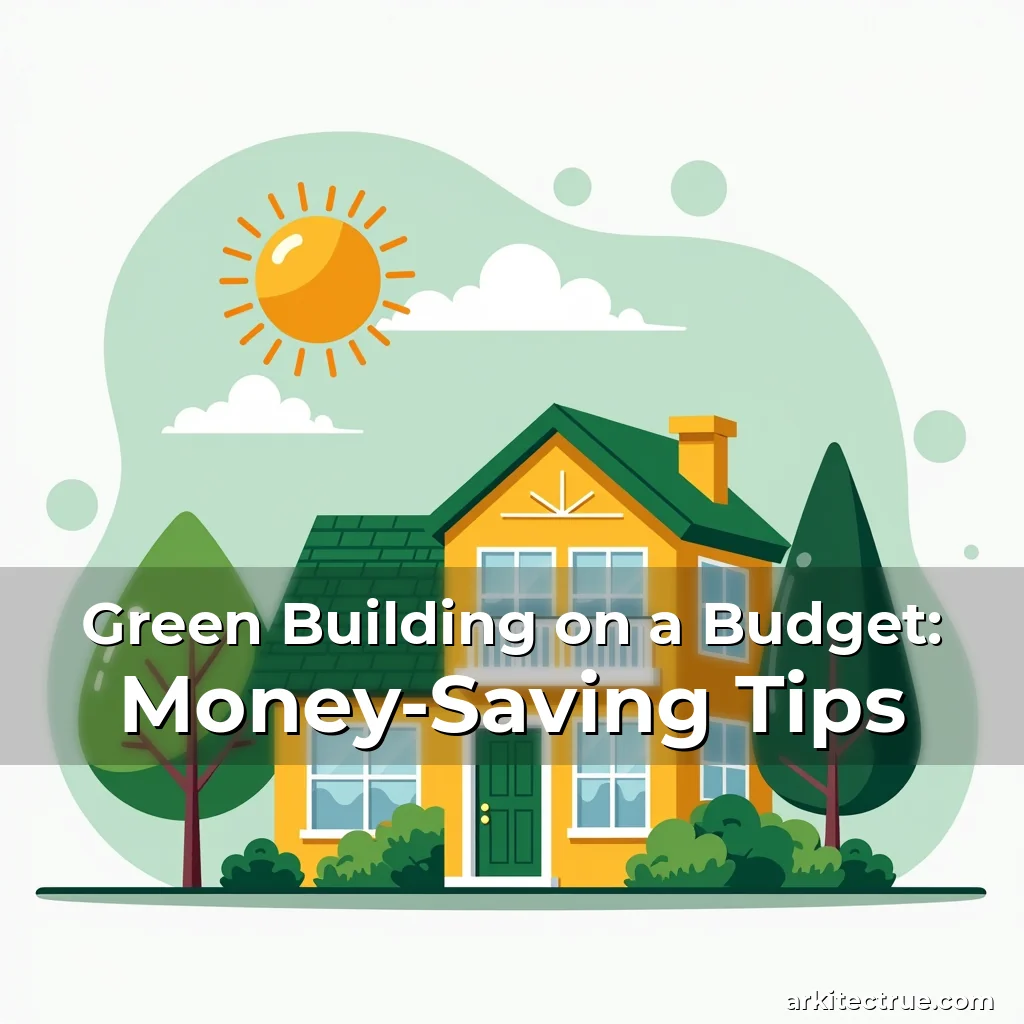
Green Building on a Budget: Transforming Spaces Without Breaking the Bank
In an era where environmental sustainability is at the forefront of global priorities, green building has emerged as a vital practice that aligns ecological responsibility with architectural innovation. This approach emphasizes reducing environmental impact through energy efficiency, sustainable materials, and resource-conscious design.
The growing awareness of climate change and its effects has spurred architects, builders, and homeowners alike to seek solutions that minimize carbon footprints while maintaining comfort and functionality. Green building offers a pathway to achieve these goals without necessarily requiring substantial financial investment.
Understanding the Core Principles of Green Building
At the heart of green building lies a commitment to minimizing negative impacts on the environment throughout a structure’s lifecycle. From construction to demolition, every phase must consider sustainability factors such as energy use, water conservation, and waste reduction.
This holistic approach ensures that buildings are designed to last longer, perform better, and contribute positively to their surroundings. By prioritizing eco-friendly practices, professionals can create structures that serve both current and future generations effectively.
Eco-Friendly Materials That Save Costs Over Time
Selecting appropriate materials plays a crucial role in achieving cost-effective green building outcomes. Options like recycled steel, bamboo flooring, and reclaimed wood offer durable alternatives that reduce long-term maintenance expenses.
Bamboo, for instance, grows rapidly and requires minimal resources compared to traditional hardwoods. Its natural resistance to pests makes it ideal for flooring applications without needing chemical treatments.
- Recycled Steel: Utilizes existing metal infrastructure, significantly cutting down raw material needs and associated costs.
- Reclaimed Wood: Provides character and durability while diverting waste from landfills and reducing deforestation pressures.
By incorporating locally sourced materials whenever possible, projects also benefit from reduced transportation emissions and support local economies simultaneously.
Energy Efficiency Strategies Within Reach
Implementing energy-efficient systems doesn’t always require expensive upgrades. Simple changes like switching to LED lighting or installing programmable thermostats can yield significant savings over time.
Proper insulation and sealing windows and doors help maintain indoor temperatures naturally, decreasing reliance on heating and cooling systems during extreme weather conditions.
Water Conservation Techniques for Sustainable Living
Reducing water consumption is another key aspect of green building. Installing low-flow fixtures and rainwater harvesting systems allows occupants to enjoy modern conveniences while preserving precious freshwater supplies.
Rainwater collection units can be used for irrigation purposes, thereby lowering municipal water bills and promoting self-sufficiency in landscaping requirements.
Designing With Nature In Mind
Leveraging passive solar design principles enhances energy performance by optimizing natural light exposure and thermal regulation within spaces. Strategic placement of windows and shading devices reduces dependency on artificial lighting and HVAC systems.
Landscaping choices also influence building performance; planting native vegetation helps manage stormwater runoff while enhancing biodiversity around constructed environments.
Smart Technology Integration for Enhanced Sustainability
Modern smart home technologies provide powerful tools for monitoring and managing energy usage efficiently. Devices equipped with sensors automatically adjust settings based on occupancy patterns and external conditions.
These innovations enable real-time tracking of utility consumption metrics, empowering users to make informed decisions regarding their daily habits and potential improvements toward greater sustainability levels.
Fostering Community Engagement Through Green Initiatives
Cultivating partnerships among stakeholders—including local governments, educational institutions, and private enterprises—can amplify efforts aimed at advancing environmentally responsible development practices across communities.
Collaborative initiatives might involve workshops focused on educating residents about adopting greener lifestyles or funding programs supporting affordable access to renewable energy sources for underserved populations.
Maintaining Long-Term Benefits Through Ongoing Education
Continuous learning remains essential for sustaining progress made through initial implementation phases of green building strategies. Staying updated with industry advancements enables practitioners to refine techniques continually based upon new research findings and technological breakthroughs.
Professional certifications like LEED (Leadership in Energy and Environmental Design) validate expertise gained via formal training modules specifically tailored towards integrating sustainable methodologies into conventional construction workflows seamlessly.
Conclusion
Embracing green building methodologies represents not only a moral obligation but also presents tangible economic advantages achievable even under budget constraints.
With thoughtful planning and strategic execution guided by core tenets centered around environmental stewardship, anyone involved in architecture or housing sectors can contribute meaningfully towards creating healthier living environments globally.

news is a contributor at ArkitecTRUE. We are committed to providing well-researched, accurate, and valuable content to our readers.
You May Also Like

Related Posts

Professional Green Building: Advanced Techniques
April 4, 2026
Green Building for Small Spaces
April 5, 2026