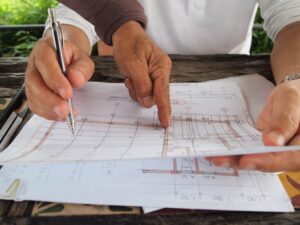

The Evolution and Impact of Architectural Engineering on Modern Design
In an era where sustainability, technology, and human-centric design converge, architectural engineering has emerged as a cornerstone of innovation. This discipline bridges the gap between artistic vision and structural reality, ensuring that buildings are both functional and awe-inspiring.
Architectural engineers play a pivotal role in shaping environments that enhance quality of life while meeting rigorous safety and performance standards. Their work is foundational to creating spaces that respond to modern challenges such as climate change and urban density.
Fundamentals of Architectural Engineering
At its core, architectural engineering integrates principles from civil engineering, architecture, and mechanical systems to create structures that are safe, efficient, and aesthetically pleasing. It combines creativity with technical precision to bring designs to fruition.
This multidisciplinary approach ensures that every aspect of construction—from materials selection to energy efficiency—is carefully considered. Engineers must balance aesthetic goals with practical constraints such as budget, zoning laws, and environmental impact assessments.
One key component of architectural engineering is structural analysis, which involves calculating loads, stresses, and material strengths to ensure building integrity. Advanced software tools allow engineers to simulate real-world conditions before construction begins.
Additionally, knowledge of electrical, plumbing, and HVAC systems is essential for designing buildings that function seamlessly. These subsystems must be integrated without compromising the visual appeal of the structure.
- Structural Integrity: Ensures buildings can withstand natural disasters and daily wear.
- Sustainable Practices: Incorporates green technologies to reduce environmental footprint.
- User Experience: Focuses on ergonomics and accessibility for occupants.
The Role of Technology in Modern Architectural Engineering
Digital modeling and simulation have revolutionized how architects and engineers collaborate. Tools like BIM (Building Information Modeling) enable precise visualization and coordination across disciplines.
BIM allows teams to detect clashes between different systems—such as ductwork intersecting with structural beams—before physical construction starts. This reduces costly rework and improves project timelines.
Virtual reality (VR) and augmented reality (AR) offer immersive ways to experience designs early in the process. Stakeholders can walk through digital models to identify potential issues or make informed decisions about spatial layouts.
Artificial intelligence and machine learning now assist in optimizing building performance by analyzing vast datasets related to energy consumption, occupancy patterns, and weather forecasts.
These technological advancements empower designers to experiment freely while maintaining high levels of accuracy and control over final outcomes.
Sustainability and Green Building Standards
Eco-conscious practices are becoming non-negotiable in contemporary architectural projects. From passive solar heating to rainwater harvesting, sustainable strategies minimize resource depletion and promote healthier living environments.
LEED certification and other green building rating systems provide benchmarks for environmentally responsible construction. Achieving these ratings often requires innovative solutions tailored to each site’s unique characteristics.
Energy Efficiency Innovations
Recent studies show that incorporating smart glass windows alone can cut cooling costs by up to 20%. Such innovations highlight the importance of integrating cutting-edge materials into traditional frameworks.
Geothermal heat pumps represent another breakthrough, offering renewable energy sources that significantly lower carbon emissions compared to conventional heating methods. Their implementation depends heavily on accurate subsurface mapping techniques provided by geological surveys.
Moreover, daylighting strategies using reflective surfaces inside buildings maximize natural light intake, reducing reliance on artificial lighting during daytime hours.
Combined with advanced insulation materials like aerogel or vacuum insulated panels, these approaches drastically improve thermal comfort while decreasing overall energy demand for heating and air conditioning.
Design Considerations Across Different Environments
Whether constructing skyscrapers in dense cities or eco-lodges deep within forests, architectural engineers face distinct challenges based on location-specific factors.
Urban settings require careful attention to noise pollution, traffic flow integration, and vertical space utilization. In contrast, rural areas may emphasize harmony with nature rather than maximizing land usage.
Climatic conditions dictate many design choices too; coastal regions necessitate salt-resistant materials whereas desert climates prioritize shading elements against harsh sun exposure.
Understanding local regulations regarding height restrictions, setback requirements, and historical preservation adds another layer complexity when developing any new structure.
Collaboration Between Disciplines Within Projects
No single profession owns the entire lifecycle of a building’s development. Successful completion relies on seamless cooperation among architects, engineers, contractors, and even end-users at various stages.
Regular meetings known as “design reviews” help align expectations around aesthetics versus functionality trade-offs. They also serve as checkpoints for verifying compliance with evolving codes or client needs changes mid-project.
Communication channels must remain open throughout construction phases so adjustments made onsite don’t disrupt broader plans set earlier in planning cycles.
By fostering mutual respect towards diverse expertise present in multi-disciplinary teams, better problem-solving emerges naturally whenever unexpected obstacles arise during execution periods.
Educational Pathways Into The Field Of Architectural Engineering
Pursuing a career in architectural engineering typically begins with obtaining either an undergraduate degree focused solely on this field or pursuing dual majors combining architecture with civil engineering coursework.
Graduate programs then refine specialized skills needed for emerging trends like net-zero energy buildings or adaptive reuse projects aimed at revitalizing older infrastructures sustainably.
Licensure processes involve passing exams administered by professional organizations alongside accumulating sufficient hands-on experience under supervision prior to being fully qualified professionals capable of signing off legal documents related to their work scope.
Ongoing education remains crucial due to rapid technological advances continually reshaping what constitutes best practice within industry norms today versus yesterday.
Trends Shaping Future Directions For The Profession
As global populations continue rising along with increasing concerns about climate resilience, there will likely be greater emphasis placed upon resilient infrastructure able withstand extreme weather events predicted by climatologists.
Modular construction techniques enabling faster assembly times combined with prefabricated components promise significant cost savings especially beneficial for low-income housing initiatives seeking affordable yet durable options available quickly without sacrificing quality assurance measures usually associated longer build schedules.
Smart city concepts integrate IoT devices embedded within public utilities allowing real-time monitoring & maintenance alerts thus improving operational efficiencies found across municipal services ranging from waste management systems down individual streetlight controls.
Advancements in additive manufacturing particularly 3D printing technology could eventually lead us toward self-sustaining habitats constructed rapidly utilizing locally sourced raw materials thereby minimizing transportation related greenhouse gas emissions traditionally linked shipping goods long distances globally.
Conclusion
Architectural engineering stands at the intersection of artistry and science, driving forward progress through continuous adaptation to societal needs and technological possibilities.
To stay relevant amidst ever-changing demands upon our built environment, practitioners must embrace lifelong learning opportunities ensuring they’re equipped handle whatever comes next whether it be adopting AI driven design automation platforms or mastering latest carbon capture methodologies applicable throughout full lifecycle assessment protocols utilized nowadays widely across sectors involved creation/maintenance phase operations associated particular developments undergoing scrutiny currently.

news is a contributor at ArkitecTRUE. We are committed to providing well-researched, accurate, and valuable content to our readers.
You May Also Like