Architectural Engineering Strategies and Implementation
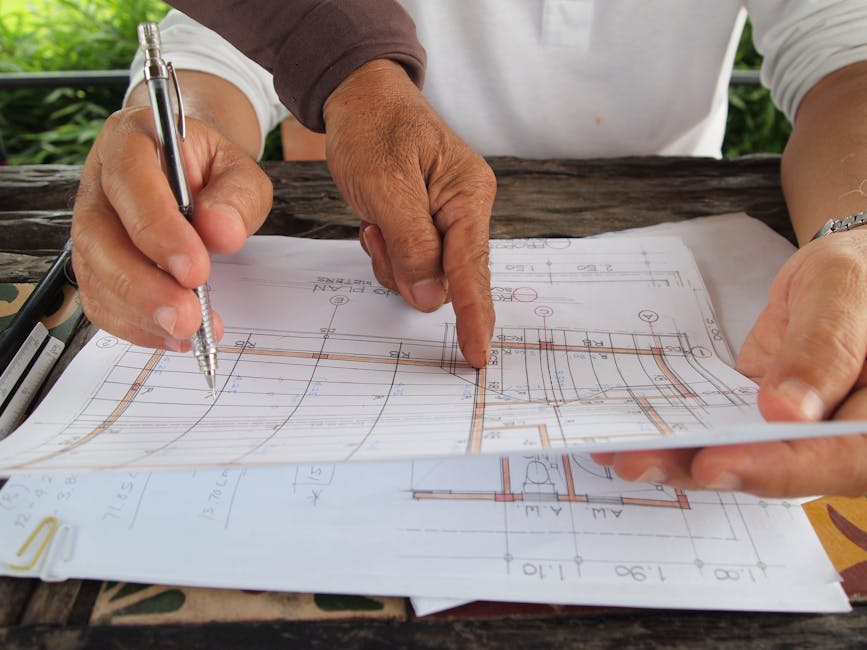
The Fusion of Art and Science: Exploring Architectural Engineering’s Role in Shaping Modern Structures
In an era where innovation meets aesthetics, architectural engineering stands at the crossroads of creativity and technical precision. This multidisciplinary field merges artistic vision with scientific principles to craft buildings that are not only visually stunning but also structurally sound.
Architects and engineers collaborate closely to ensure every design element serves both form and function. From skyscrapers defying gravity to sustainable homes integrating green technology, the impact of architectural engineering is visible everywhere we look.
The Evolution of Architectural Engineering Through History
The roots of architectural engineering can be traced back thousands of years when early civilizations began constructing durable shelters using available materials. Ancient Egyptians, Romans, and Greeks laid foundational techniques that still influence modern practices today.
With each technological advancement, the discipline evolved significantly. The Industrial Revolution introduced new building materials like steel and reinforced concrete, enabling architects to experiment with unprecedented scale and complexity.
During the 20th century, innovations such as computer-aided design (CAD) software revolutionized how structures were planned and executed. These digital tools allowed for precise calculations and virtual simulations before any physical construction commenced.
- Pioneering Techniques: Roman aqueducts showcased advanced understanding of load distribution long before formal engineering principles existed.
- Modern Milestones: The Eiffel Tower demonstrated how iron could support massive structures while maintaining aesthetic appeal through intricate lattice work.
Fundamental Principles Governing Structural Integrity
A successful architectural project hinges upon mastering core structural principles. Engineers must analyze forces acting on different components including tension, compression, shear, and torsion to prevent catastrophic failures.
Bridging theory with practice requires meticulous attention to material properties. Steel offers exceptional tensile strength, whereas concrete excels under compressive loads. Selecting appropriate materials ensures longevity and safety across varying environmental conditions.
Load paths play a critical role in determining how weight transfers from upper levels down to foundations. Properly designed load paths distribute stress evenly, minimizing risks associated with uneven pressure points within a structure.
Seismic considerations have become increasingly vital due to rising frequency of natural disasters. Implementing shock-absorbing systems and flexible joints allows buildings to withstand earthquakes without compromising their integrity.
Integration of Technology in Contemporary Design Practices
Advancements in computational modeling now allow designers to simulate real-world scenarios accurately. Finite Element Analysis (FEA) enables visualization of stresses and strains under various loading conditions before actual construction begins.
Building Information Modeling (BIM) has transformed collaboration among stakeholders by creating dynamic three-dimensional models containing vast amounts of data related to each component involved in the project lifecycle.
This level of integration facilitates error detection early on, reducing costly rework during later stages. It also enhances coordination between disciplines ensuring seamless execution from concept development right through final occupancy.
Rise of Sustainable Building Technologies
Sustainability has emerged as one of the most significant trends shaping contemporary architecture. Green roofs, solar panels, rainwater harvesting systems – these features aren’t merely add-ons; they’re integral parts of eco-friendly designs aimed at minimizing carbon footprints.
According to recent studies, implementing energy-efficient solutions can reduce operational costs by up to 30%. Passive design strategies such as optimal orientation and thermal mass utilization contribute substantially towards achieving sustainability goals without sacrificing comfort levels inside occupied spaces.
Smart building technologies further enhance efficiency through automated climate control systems responding dynamically based on occupancy patterns and external weather forecasts. Such adaptability leads toward greater resource optimization over time.
Crafting Spaces That Enhance Human Experience
Beyond mere functionality lies the human-centric aspect of architectural engineering which focuses on creating environments conducive to well-being. Factors such as lighting quality, acoustics, spatial flow, and ergonomic layouts collectively shape user experiences.
Natural light exposure has been scientifically proven to boost mood and productivity. Architects strategically place windows and use reflective surfaces to maximize daylight penetration deep into interior areas regardless of building size or layout constraints.
Acoustic treatments help mitigate noise pollution inside commercial buildings where speech intelligibility matters greatly. Specialized ceiling tiles, wall absorbers, and floor coverings absorb excess sound waves preventing echoes that hinder communication effectiveness.
Ergonomic considerations extend beyond furniture choices. Workstation configurations, corridor widths, door clearances—all play roles in facilitating smooth movement and accessibility for individuals with disabilities or mobility challenges.
Challenges Faced By Professionals In The Field
Despite its many rewards, practicing architectural engineering involves navigating complex regulatory landscapes. Compliance requirements vary widely depending on location, influencing everything from permit acquisition processes to adherence standards set forth by local authorities.
Emerging concerns around climate change demand continuous adaptation from professionals working in this domain. Rising sea levels threaten coastal infrastructure necessitating innovative flood mitigation measures tailored specifically for vulnerable regions prone to extreme weather events.
Economic fluctuations pose additional hurdles affecting funding availability for large-scale projects. Uncertain market conditions often delay approvals or force redesigns altogether when budgets fall short compared against initial projections made during feasibility studies.
Technological obsolescence presents yet another challenge requiring ongoing education commitments so practitioners remain current regarding latest advancements impacting industry norms continuously evolving over decades.
Education And Career Pathways For Aspiring Professionals
Becoming an architectural engineer typically requires obtaining either bachelor’s degree focused exclusively on civil engineering with electives centered around architectural aspects or pursuing dual-degree programs combining elements of both fields simultaneously.
Graduate-level specializations offer deeper dives into niche subjects ranging from historic preservation methodologies to cutting-edge robotics applications transforming traditional construction methods used globally today.
Licensure exams serve crucial gatekeeping functions verifying competency levels attained prior embarking careers involving public safety responsibilities inherent within profession itself particularly concerning structural reliability issues potentially endangering lives otherwise compromised improperly handled situations.
Ongoing professional development remains essential given rapid pace transformations occurring constantly throughout entire sector thus making life-long learning imperative requirement sustaining relevance amidst ever-changing landscape characterized continual evolution driven primarily technological breakthroughs.
Future Trends Reshaping Architectural Engineering Landscape
The advent of artificial intelligence promises profound changes ahead impacting virtually every facet operationally linked within broader context surrounding built environment creation process.
AI-driven predictive analytics will enable anticipation of potential problems arising much earlier than conventional approaches currently employed thereby allowing preemptive interventions saving considerable resources ultimately allocated elsewhere more efficiently utilized alternative avenues.
Autonomous construction equipment equipped with machine learning algorithms capable adapting themselves according to changing site conditions represent next frontier awaiting realization soon following continued research efforts being conducted actively internationally nowadays.
Virtual reality platforms provide immersive walkthrough capabilities helping visualize finished products accurately even before single brick laid contributing immensely improving decision-making accuracy regarding spatial arrangements optimizing usage efficiencies maximizing space potentials effectively translating conceptual ideas tangible realities successfully realized end results desired initially envisioned planners.
Conclusion
Architectural engineering continues to evolve alongside societal needs driving progress forward reshaping urban skylines altering everyday interactions people maintain surroundings them daily basis.
By embracing emerging technologies while honoring timeless principles rooted deeply within historical achievements accomplished throughout millennia passed since first shelter erected safeguarding future generations inherit legacy rich knowledge accumulated patiently cultivated gradually developed painstakingly refined enduring testament perseverance brilliance humanity manifest physically constructed forms standing proudly testaments skill combined imagination.