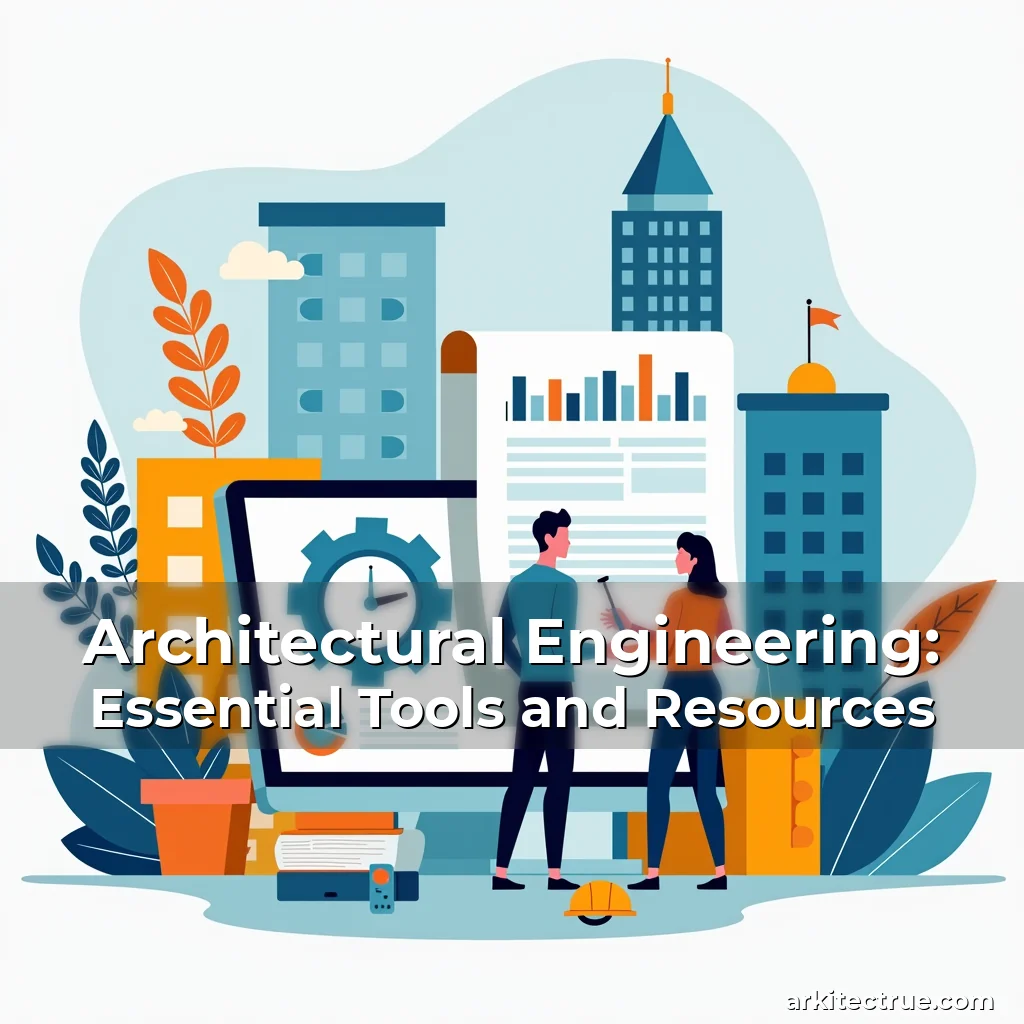
Architectural Engineering: Essential Tools and Resources
The field of architectural engineering is at the intersection of artistry and technical precision, where creativity meets functionality to shape the built environment. As urban landscapes evolve and sustainability becomes paramount, architects and engineers rely on cutting-edge tools and resources to bring innovative designs to life.
This article explores the essential tools and resources that define modern architectural engineering, offering insights for professionals and enthusiasts alike seeking to enhance their practice through technology, education, and collaboration.
The Role of Architectural Engineers in Modern Construction
Architectural engineers play a crucial role in transforming conceptual ideas into structurally sound buildings. Their expertise spans various disciplines, including structural analysis, mechanical systems, electrical design, and environmental control.
These professionals ensure that every element of a building functions harmoniously while adhering to safety codes and regulatory standards. By integrating advanced materials and smart technologies, they contribute to energy efficiency and occupant comfort.
One of the key responsibilities involves conducting feasibility studies and risk assessments before construction begins. This proactive approach helps mitigate potential issues and ensures cost-effective project execution.
In addition, architectural engineers collaborate closely with architects, contractors, and other stakeholders to maintain alignment between design intent and practical implementation.
- Structural Design: Ensuring load-bearing capacities meet safety requirements and aesthetic goals.
- Mechanical Systems: Integrating HVAC solutions that optimize indoor air quality and thermal performance.
- Electrical Planning: Implementing efficient lighting, power distribution, and emergency backup systems.
- Sustainability Integration: Incorporating green building practices such as solar panels and rainwater harvesting.
Essential Software Tools for Architectural Engineers
Modern architectural engineering relies heavily on sophisticated software tools to streamline design processes and enhance accuracy. These programs enable precise modeling, simulation, and visualization of complex structures.
Computer-Aided Design (CAD) software remains foundational, allowing engineers to create detailed blueprints and modify designs efficiently. Programs like AutoCAD and Revit are widely used across industries for both two-dimensional drafting and three-dimensional modeling.
BIM (Building Information Modeling) platforms have revolutionized how projects are planned and executed by creating dynamic digital representations of physical assets. These models integrate data from various disciplines into a single cohesive system.
Simulation tools provide critical insights into how buildings will perform under different conditions. Thermal analysis software can predict heating and cooling needs, while structural simulations assess material stress points.
Top BIM Platforms Used in Architectural Engineering
Revit from Autodesk stands out as one of the most popular BIM platforms due to its comprehensive feature set and industry-wide adoption. It supports multi-disciplinary collaboration through shared cloud-based models.
Fusion 360 offers robust parametric modeling capabilities suitable for intricate detailing work. Its integration with manufacturing workflows makes it particularly useful for firms involved in fabrication processes.
Vasari, another notable platform developed specifically for sustainable design, allows users to analyze energy consumption patterns during early stages of development.
Each platform has unique strengths depending on project scope; however, proficiency in multiple systems often enhances an engineer’s versatility within diverse environments.
Emerging Technologies Shaping Future Practices
Advancements in emerging technologies continue to redefine what’s possible in architectural engineering. From artificial intelligence applications to drone-assisted site surveys, innovation drives continuous improvement in methodologies.
Artificial Intelligence (AI) now plays a significant role in automating repetitive tasks such as code compliance checks or identifying optimal spatial configurations based on user preferences.
Drones equipped with high-resolution cameras capture real-time imagery which aids in monitoring progress accurately without requiring manual inspections on-site.
Augmented reality (AR) overlays digital information onto physical spaces, enabling designers to visualize proposed changes interactively before finalizing decisions.
The Impact of AI on Design Efficiency
Machine learning algorithms help identify inefficiencies in existing layouts by analyzing vast datasets related to human behavior patterns inside buildings.
Generative design techniques powered by AI allow exploration of countless variations rapidly—something previously unimaginable using traditional methods alone.
Such innovations not only save time but also lead to more adaptive spaces tailored precisely towards occupants’ needs rather than generic assumptions.
As these technologies mature further, we expect even greater levels of customization and responsiveness embedded directly within our living and working environments.
Critical Considerations During Project Execution
While technological advancements offer numerous benefits, successful project delivery still hinges upon meticulous attention to several critical factors throughout each phase—from conception through completion.
Risk management strategies must be implemented proactively rather than reactively when addressing uncertainties associated with new materials or untested approaches.
Quality assurance protocols need rigorous adherence since minor oversights could result in costly rework later down the line.
Effective communication channels among all parties involved remain vital regardless of how technologically advanced the tools become.
Importance of Interdisciplinary Collaboration
Collaboration across disciplines fosters holistic problem-solving abilities necessary for tackling multifaceted challenges inherent in contemporary construction endeavors.
For instance, integrating input from civil engineers regarding soil composition alongside architectural considerations significantly improves foundation stability outcomes.
Similarly, involving psychologists might yield better-informed spatial arrangements aimed at enhancing mental well-being within enclosed areas.
This cross-functional synergy ensures that end results reflect not just functional excellence but also consider broader societal impacts effectively.
Education and Professional Development Opportunities
To stay competitive in today’s fast-paced industry landscape, ongoing education is imperative for aspiring and practicing architectural engineers alike. Numerous academic institutions worldwide offer specialized degree programs focused entirely on this domain.
Pursuing degrees in architectural engineering typically requires completing coursework covering mathematics, physics, computer science fundamentals along with core subjects like structural mechanics and fluid dynamics.
Hands-on training opportunities abound via internships with leading firms where students gain exposure to current best practices being applied globally across varied climates and cultures.
Professional certification programs provided by organizations such as ASHRAE or NSPE add credibility while opening doors toward leadership roles within multidisciplinary teams.
Case Studies Demonstrating Practical Applications
Examining real-world case studies provides invaluable lessons demonstrating how theoretical knowledge translates successfully into tangible successes achieved daily around us.
The Burj Khalifa showcases extraordinary feats accomplished through meticulous coordination between multiple specialties working together seamlessly despite unprecedented scale challenges faced during its creation.
Analyzing similar landmark achievements reveals common threads indicating effective use of available resources combined with unwavering commitment towards achieving ambitious objectives.
By studying past experiences systematically, future generations stand poised to build upon established wisdom rather than reinventing wheels unnecessarily.
Lessons Learned From Notable Projects
Project timelines often require strict adherence unless unforeseen circumstances necessitate adjustments—an aspect highlighted clearly in many documented histories.
Material selection choices made initially may sometimes prove suboptimal once actual usage scenarios emerge post-construction.
Communication breakdowns occasionally lead to misaligned expectations causing delays or budget overruns if not addressed promptly.
However, each challenge encountered serves as an opportunity for growth facilitating improved methodologies applicable universally across subsequent ventures undertaken thereafter.
Future Trends Influencing Architectural Engineering
Looking ahead, several transformative trends promise profound implications reshaping how architectural engineering evolves moving forward. Sustainability concerns drive much of this change impacting nearly every facet operationally involved.
Adoption rates surrounding net-zero carbon footprint initiatives show steady increase prompting widespread revisions concerning traditional building paradigms currently prevalent.
Smart infrastructure concepts incorporating IoT devices aim at making cities more responsive dynamically adapting according to changing demands effortlessly.
These shifts collectively indicate substantial paradigmatic alterations underway signaling exciting possibilities awaiting discovery soon.
Conclusion
Architectural engineering continues evolving rapidly driven largely by technological breakthroughs coupled with growing emphasis placed increasingly upon ecological stewardship values pervading society broadly.
Professionals engaged actively within this field benefit immensely from embracing continual learning journeys staying abreast latest developments ensuring relevance amidst constant flux characterizing modern construction realities.

news is a contributor at ArkitecTRUE. We are committed to providing well-researched, accurate, and valuable content to our readers.
You May Also Like