
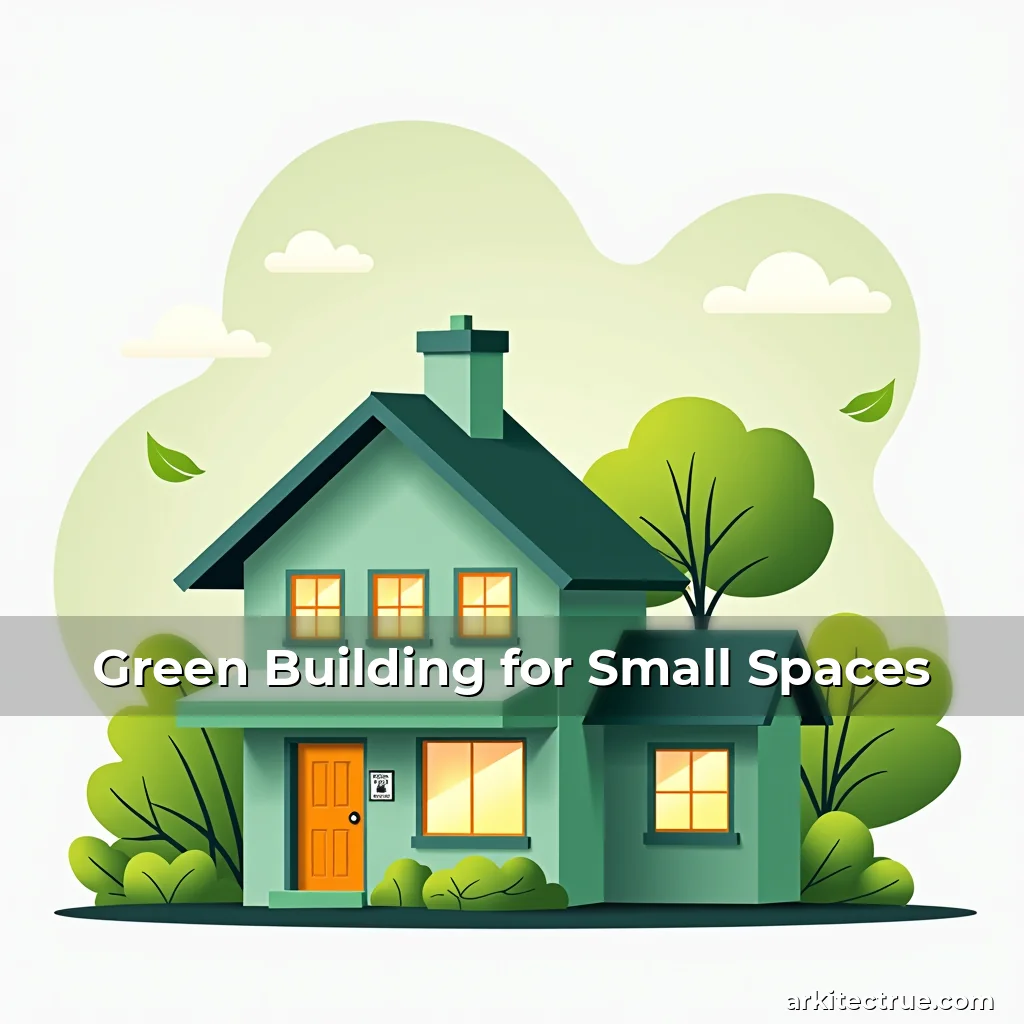
The Future of Sustainable Living: Innovations in Green Architecture for Urban Environments
In an era defined by climate change and resource depletion, architects face an unprecedented challenge: designing buildings that harmonize with nature rather than deplete it. Green architecture offers solutions through innovative designs that minimize environmental impact while maximizing functionality.
This article explores cutting-edge approaches transforming urban landscapes, focusing on how modern architecture integrates sustainability principles across every phase of development—from conceptualization to demolition.
Redefining Space Efficiency Through Design Innovation
Pioneering architects are reimagining spatial constraints by prioritizing multifunctional layouts that maximize utility in compact footprints. These designs embrace modular configurations where walls serve dual purposes as storage systems and acoustic barriers.
Vertical expansion has become particularly impactful in densely populated cities. By constructing upwards rather than outwards, developers create more livable square footage per unit area while maintaining ground-level open spaces essential for urban ecosystems.
Smart fenestration systems represent another breakthrough. Automated window shades regulate indoor temperatures by responding to solar radiation patterns, reducing reliance on artificial heating/cooling mechanisms.
Floor-to-ceiling glass panels combined with dynamic shading technologies optimize natural light penetration during daylight hours. This reduces electrical demand for lighting and creates visually stimulating environments that promote occupant well-being.
- Multifunctional furniture: Furniture pieces designed to adapt between living/work functions allow flexible space utilization based on daily routines.
- Modular construction kits: Prefabricated components enable rapid assembly/disassembly, facilitating updates to interior configurations over time without compromising structural integrity.
Sustainable Material Selection Strategies
Material innovation lies at the heart of environmentally responsible construction. Architects are increasingly turning to bio-based composites derived from agricultural waste products that provide structural performance equivalent to conventional materials.
Recycled steel reinforcements offer substantial carbon savings compared to virgin steel production. When paired with low-VOC paints and finishes, they contribute to healthier indoor air quality standards critical for occupants’ long-term health.
Engineered wood products utilizing cross-laminated timber (CLT) present viable alternatives to concrete in high-rise structures. CLT’s inherent fire resistance properties rival traditional materials while storing significant amounts of atmospheric CO2 during its growth cycle.
Bamboo flooring options combine aesthetic appeal with remarkable durability, leveraging the plant’s fast regenerative capabilities to ensure sustainable harvesting cycles that don’t deplete natural resources.
Emerging Composites for Enhanced Performance
Recent advancements in material science have produced hybrid composites incorporating mycelium (fungal networks) as binding agents between organic fibers. These biodegradable materials exhibit surprising strength characteristics when properly cured, offering eco-friendly alternatives suitable for non-load-bearing applications.
Cross-disciplinary research efforts are exploring ways to integrate nanotechnology into traditional building materials. Graphene-enhanced concrete demonstrates exceptional tensile strength improvements without increasing embodied energy significantly.
Energy Systems Integration for Net-Zero Buildings
Integrating renewable energy sources directly into architectural form is revolutionizing energy independence for residential and commercial structures alike. Photovoltaic glass facades transform entire exterior surfaces into electricity-generating assets.
Terrace-mounted wind turbines and rooftop geothermal heat pumps work synergistically with smart grid connectivity to balance local power generation against consumption fluctuations throughout different times of day.
Building automation systems employ machine learning algorithms to predict occupancy patterns, adjusting HVAC settings preemptively to reduce energy waste during unoccupied periods without sacrificing comfort levels.
Battery storage units installed within building infrastructure allow excess renewable energy
Selecting low-emission materials reduces exposure risks from volatile compounds released after installation, safeguarding vulnerable populations including children who spend considerable time inside enclosed spaces.
Strategic placement of biophilic elements such as indoor plants and visual connections with surrounding nature enhances cognitive function and emotional stability, aligning built environments more closely with human biological rhythms naturally evolved over millennia.
Lifecycle Assessment Practices in Sustainable Development
Comprehensive lifecycle analysis enables architects to evaluate ecological impacts comprehensively across stages spanning raw material extraction through eventual demolition phases.
Data-driven decision-making informed by LCA metrics allows identification of process segments contributing disproportionately high environmental burdens, enabling targeted improvements that yield greatest benefit relative to effort invested.
Durability assessments help determine expected service lifetimes accurately predicting replacement frequency required to complete full lifecycle evaluations effectively.
End-of-life scenarios incorporated into initial planning guide choices favoring recyclability ease factors influencing ultimate decomposition outcomes significantly affecting final footprint calculations.
Community-Centric Approaches to Environmental Stewardship
Sustainable architecture extends beyond individual structures towards fostering resilient communities capable of thriving amidst environmental uncertainties projected over coming decades.
Walkable neighborhoods featuring mixed-use developments decrease vehicle dependency inherently lowering emissions related to transportation activities forming largest single source globally.
Urban agriculture zones interspersed among housing complexes supply fresh produce locally reducing food miles while strengthening social bonds formed through shared cultivation experiences.
Garden terraces arranged vertically within cityscapes convert otherwise wasted surface areas into productive ecosystems contributing biodiversity enhancement vital for ecosystem resiliency against habitat fragmentation threats facing wildlife everywhere.
Policy Frameworks Shaping Tomorrow’s Built Environments
Government regulations play pivotal roles directing industry trajectories toward greener alternatives through incentives encouraging compliance along with penalties discouraging unsustainable behaviors persistently observed historically.
Zoning laws progressively being revised accommodate higher densities permitted within designated districts enabling efficient land use practices essential for accommodating growing population pressures sustainably.
Performance benchmarking systems establish minimum standards achievable through established technological pathways already demonstrated viability elsewhere thereby avoiding unnecessary delays caused by uncertainty regarding unproven methodologies.
Fiscal policies allocating funding specifically earmarked for R&D projects pursuing novel sustainability innovations accelerate transition timelines helping bridge gaps between current capabilities and desired targets sooner than would occur organically alone.
Conclusion
The evolution of green architecture signifies much more than mere stylistic shifts—it represents a paradigmatic transformation redefining humanity’s relationship with the planet itself.
By embracing holistic design philosophies integrating environmental consciousness seamlessly into everyday existence, practitioners pave way forward towards a future where civilization thrives symbiotically rather than antagonistically with nature around us constantly changing irrevocably.
“`

news is a contributor at ArkitecTRUE. We are committed to providing well-researched, accurate, and valuable content to our readers.
You May Also Like


Related Posts

Green Building Step-by-Step Tutorial
April 4, 2026

Best Green Building Tips and Strategies
April 2, 2026
Green Building vs Alternatives: Complete Comparison
April 2, 2026