
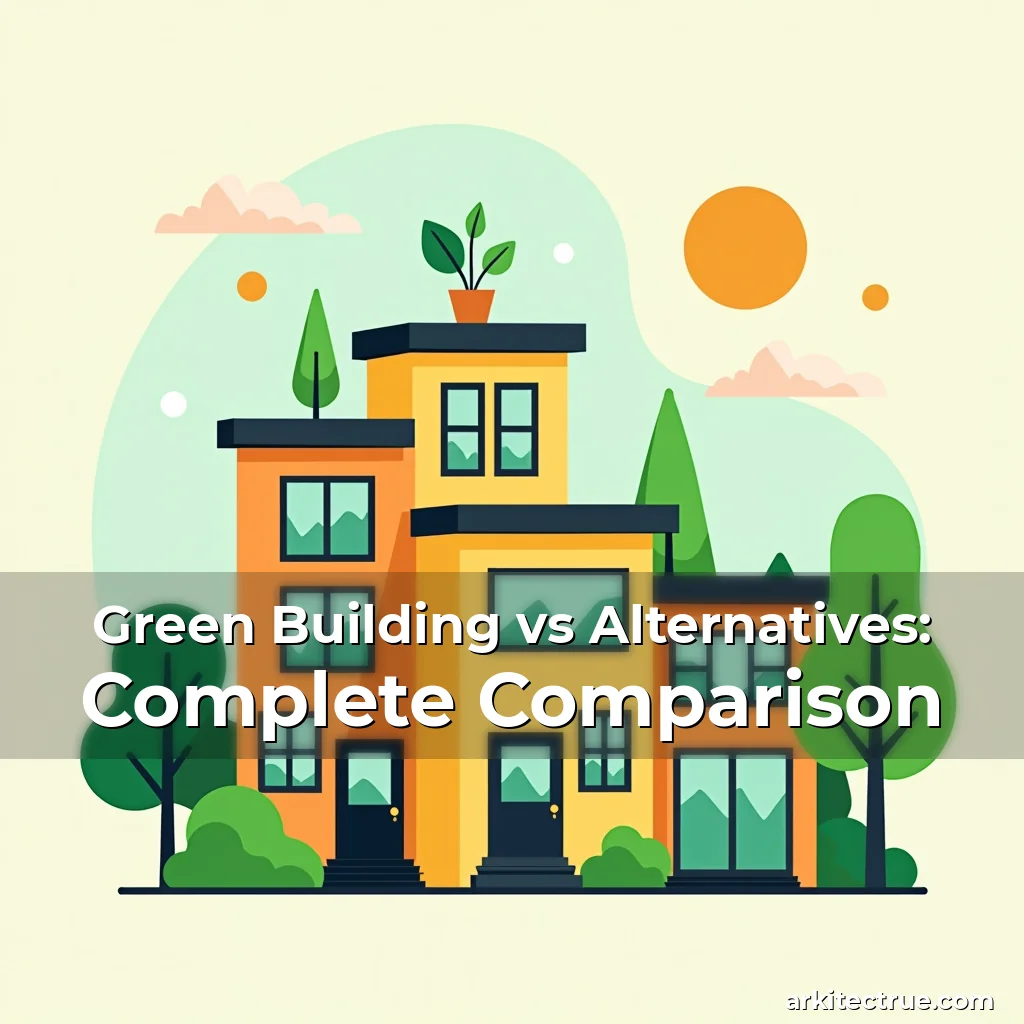
Green Building vs Alternatives: Complete Comparison
In an era marked by environmental awareness and sustainable development goals, the construction industry is undergoing a transformative shift towards eco-friendly practices. At the heart of this change lies green building—a concept that extends beyond mere aesthetics to encompass energy efficiency, resource conservation, and environmental responsibility.
The debate surrounding green buildings versus traditional or alternative approaches continues to gain momentum, driven by growing concerns over climate change, urbanization pressures, and the demand for healthier living spaces. This comparison explores how these differing philosophies shape our built environment today.
Eco-Friendly Foundations: Understanding Green Building Principles
At its core, green building revolves around minimizing environmental impact while maximizing occupant well-being. Unlike conventional methods that prioritize cost-cutting measures at the expense of sustainability, this approach integrates design strategies aimed at reducing carbon footprints and promoting ecological balance.
One fundamental principle involves utilizing locally sourced materials which significantly reduces transportation emissions associated with long-distance shipping routes. Additionally, incorporating natural light through strategic window placement not only lowers electricity usage but also enhances indoor comfort levels considerably.
Energy-efficient systems form another cornerstone of modern green architecture. These include advanced insulation techniques designed to maintain optimal indoor temperatures year-round without excessive reliance on heating or cooling appliances. Furthermore, renewable energy sources such as solar panels are increasingly being integrated into new developments worldwide.
- Sustainable Materials: Choosing recycled steel, bamboo flooring, or low-VOC paints helps reduce pollution caused by manufacturing processes traditionally linked to high chemical emissions.
- Water Conservation Strategies: Installing rainwater harvesting systems allows structures to collect atmospheric moisture during rainfall events—an innovative way to supplement water supply needs sustainably.
Comparing Traditional Construction Methods With Green Alternatives
Traditional construction often relies heavily upon non-renewable resources extracted from Earth’s crust—such as concrete production—which contributes substantially toward global greenhouse gas emissions. In contrast, green alternatives emphasize regenerative practices focusing instead on preserving ecosystems rather than depleting them further.
A key difference between old-school methodologies and contemporary green initiatives lies primarily within their lifecycle assessments. Conventional projects typically exhibit shorter useful lifespans due mainly to poor material choices; however, those adhering strictly to LEED certification standards demonstrate extended durability alongside superior performance metrics under various climatic conditions.
This longevity translates directly into lower maintenance costs over time since fewer repairs become necessary when using higher quality components initially selected based upon rigorous testing protocols established specifically for environmentally responsible designs.
Cost Considerations: Initial Investment Versus Long-Term Savings
Despite initial perceptions suggesting otherwise, adopting green building principles can actually lead to substantial financial benefits down the line thanks largely to reduced operational expenses stemming from improved efficiency ratings achieved via smart technology implementations.
While upfront capital outlays may seem steep compared against standard industry benchmarks currently prevailing among most developers nationwide, research consistently shows payback periods generally fall within five years depending solely upon location-specific factors influencing utility rates across different regions globally.
Cities experiencing peak summer temperatures regularly see significant savings through passive cooling technologies implemented effectively within residential complexes constructed following net-zero guidelines set forth by leading architectural firms specializing exclusively in zero-energy homes now emerging rapidly across several developed countries including Germany and Scandinavia.
Environmental Impact Assessment Across Different Approaches
An accurate evaluation requires considering full-life cycle analyses covering everything from raw material extraction stages right up until final demolition phases where appropriate recycling programs might still be viable options available even after decades-long occupancy spans typical for commercial office towers located centrally positioned near metropolitan hubs.
Studies have repeatedly confirmed that structures complying fully with International Green Construction Code requirements tend produce approximately thirty percent less CO₂ annually relative to similar-sized counterparts built purely according to outdated minimum safety regulations previously mandated before sustainability became widely recognized as crucial element affecting future generations’ livability prospects significantly.
Moreover, waste management solutions embedded deep inside project blueprints ensure minimal landfill contributions regardless whether housing units remain occupied indefinitely or eventually get repurposed elsewhere post-retirement phase initiated voluntarily by original owners seeking greener pastures metaphorically speaking rather literally relocating physically away from existing premises.
Social Responsibility Dimensions Within Sustainable Architecture
Beyond physical attributes alone shaping what constitutes truly impactful green edifices stands equally vital aspect concerning social equity issues addressed comprehensively throughout entire planning process starting very early stage involving stakeholder consultations ensuring diverse communities receive fair treatment regarding access opportunities created anew whenever revitalizing neglected neighborhoods earmarked prime candidates eligible inclusion within broader municipal redevelopment plans aiming enhance overall quality life experienced daily routines encountered countless individuals residing amidst sprawling metropolises characterized dense population concentrations coupled intense economic disparities prevalent many parts world over particularly developing nations grappling challenges related rapid urban sprawl exacerbated inefficient infrastructure layouts failing support growing demands increasing populace figures projected double current numbers next few decades absent immediate intervention strategies deployed aggressively enough mitigate worst-case scenarios outlined extensively numerous scientific reports published periodically organizations dedicated climate science research fields internationally.
Community engagement plays pivotal role determining success outcomes achieved implementing inclusive policies favoring marginalized groups historically excluded mainstream conversations happening high-level meetings attended mostly professionals lacking direct connections grassroots level activism efforts spearheaded local leaders passionate improving living conditions inhabitants nearby vicinity targeted improvement zones identified priority areas requiring urgent attention delivered swift action resulting tangible improvements perceived visibly evident neighborhood transformations occurring rapidly noticeable periods short duration measured weeks months rather than years required completing complex bureaucratic procedures entailed traditional governmental approval pathways usually slow cumbersome nature discouraging citizen participation desired outcome intended encouraging active involvement fostering sense belonging shared ownership amongst residents benefiting collectively advancements undertaken benefit society broadly conceived terms promoting collective wellbeing achievable harmonious coexistence species including humans planet Earth itself considered common heritage deserving protection preservation passed down descendants inheritors future ages ahead unknown yet potential shaped decisions taken present moment wisely.
Fostering inclusivity ensures equitable distribution benefits arising successful execution holistic sustainable architecture ventures contributing positively societal fabric reinforcing bonds trust formed interpersonal relationships cultivated ongoing collaboration essential maintaining vitality progress continued innovation propelled forward renewed vigor brought fresh perspectives continuously introduced system naturally evolving adapting changing circumstances faced humanity collectively navigating uncertain path ahead filled both promise peril depending course actions chosen wisely thoughtfully executed responsibly mindful consequences borne repercussions rippling outward impacting far-reaching aspects existence interconnected web life supporting delicate equilibrium maintained through conscious effort deliberate intentionality guiding every step journey towards greener tomorrow envisioned brighter horizon awaiting discovery exploration pursued relentlessly devotedly wholeheartedly.
Technological Innovations Driving Modern Green Design Practices
Advancements made recent years dramatically reshaped landscape possibilities available architects engineers designing environmentally responsive buildings capable performing efficiently despite harsh weather patterns increasingly becoming norm geographical locations witnessing extreme fluctuations temperature precipitation levels attributable accelerated pace climate change manifesting visibly everyday experiences encountered citizens inhabiting affected regions experiencing firsthand profound effects necessitating adaptive responses tailored precisely meeting specific regional needs demanding bespoke solutions crafted appropriately addressing unique challenges confronting respective environments irrespective differences climatic zones separated vast distances continents apart.
Smart sensors installed throughout interior spaces monitor real-time data enabling automatic adjustments ventilation lighting air conditioning settings thereby optimizing comfort levels simultaneously conserving precious resources consumed powering operations carried out consistently maintained functionality expected modern-day occupants accustomed convenience expectations seamlessly integrated lifestyle preferences incorporated intentionally planned outset design stages ensuring alignment objectives stakeholders involved collaborative decision-making frameworks established prior commencing actual construction activities transpiring subsequent phases development cycle followed meticulously documented transparent manner facilitating audits verification compliance adherence international standards governing ethical conduct professional integrity upheld throughout entire lifecycle operations conducted responsibly ethically conscientiously.
Renewable Energy Integration: Solar photovoltaic arrays mounted rooftops generate clean power supplied directly electrical grid serving dual purposes reducing dependency fossil fuels mitigating environmental degradation caused extraction refining distribution conventional energy sources predominantly coal oil natural gas contributing majority anthropogenic greenhouse gases trapping heat atmosphere exacerbate global warming phenomenon threatening stability planetary systems already strained unprecedented scale.
Building Information Modeling (BIM): Utilizing digital representations enables precise visualization spatial relationships allowing identification inefficiencies beforehand preemptively resolving conflicts arising unexpected clashes components assembled together virtually before physical manifestation occurs reality thus avoiding costly rework delays commonly associated conventional trial-and-error approaches relying manual calculations susceptible human error potentially leading suboptimal results detrimental bottom lines businesses operating highly competitive markets where margin profits razor-thin margins require constant vigilance precision optimization achieving maximum output minimal input resources allocated judiciously ensuring returns investments secured long-term viability enterprises committed sustainability ethos embedded corporate cultures transcending superficial branding campaigns marketed consumers purchasing products services aligned values authentic commitment demonstrated tangible outcomes produced consistently reliably measured quantifiably proven scientifically validated through empirical evidence gathered extensive studies performed peer-reviewed journals published reputable institutions academia industry.
Case Studies Highlighting Success Stories Of Green Buildings Worldwide
Vancouver Convention Centre West situated downtown Vancouver exemplifies exemplary model integration sustainable features achieving LEED Platinum status highest accolades awarded building certifications reflecting exceptional achievements attained through diligent pursuit excellence embodied every facet operation management maintenance upkeep throughout structure lifespan anticipated enduring legacy inspiration others aspiring emulate success formula replicated various contexts worldwide wherever applicable feasible economically viable practically implementable respecting local constraints parameters defined jurisdictional boundaries legislation regulating land use zoning codes permitting approvals issued authorities overseeing development permits obtained prior initiating groundbreaking ceremonies marking official commencement site preparations transforming visions realities standing proud landmarks testament ingenuity perseverance determination exhibited teams behind remarkable feats accomplished overcoming obstacles encountered along route pursuing noble cause advancing cause environmental stewardship championed champions field architecture engineering construction industries united purpose elevating standards profession raising bar excellence setting precedent future generations aspire exceed accomplishments achieved thus far.
Bosco Verticale in Milan demonstrates another compelling example of vertical forests merging urban density with lush greenery, providing habitats for birds and insects while purifying the air around two residential towers.
Dubai’s Al Wasl Plaza showcases how cultural elements can blend seamlessly with sustainable practices, featuring a self-sustaining ecosystem powered by solar energy and designed to minimize thermal discomfort in the region’s hot desert climate.
These case studies illustrate that green building isn’t merely theoretical—it’s being realized successfully across diverse geographic and cultural landscapes, proving adaptable and effective when properly conceptualized and executed.
Future Trends And Emerging Technologies Shaping Tomorrow’s Green Structures
As we look ahead, the trajectory of green building appears poised for exponential growth fueled primarily by breakthroughs occurring nanotechnology biomimicry fields unlocking novel applications hitherto unimagined revolutionizing construction sectors fundamentally altering paradigms guiding architectural decisions influencing choices made selecting materials utilized assembling structural elements forming foundations entire edifices erected earth.
Nanomaterials possessing extraordinary properties offer exciting possibilities enhancing performance characteristics traditional substances employed conventionally limited capacities functionalities expanded exponentially opening doors innovations previously deemed impossible constrained limitations imposed physics chemistry governed laws nature itself.
Biomimetic designs inspired organic forms found flora fauna yield elegant solutions addressing pressing issues facing mankind today including resilience against extreme weather events enhanced energy efficiency optimized resource utilization facilitated learning processes mimicking biological mechanisms observed organisms thriving ecosystems balanced harmony sustained through evolutionary adaptations refined over millennia shaping survival strategies utilized populations occupying niches defined interactions symbiotic relationships formed mutualistic arrangements beneficial parties involved cooperating mutually advantageously fostering stability robustness structures engineered imitate innate capabilities inherent natural world.
Predictions suggest widespread adoption automated robotic systems executing intricate tasks formerly reserved skilled laborers thereby increasing productivity levels simultaneously decreasing accident rates injury occurrences work sites monitored artificially intelligent assistants equipped sophisticated algorithms analyzing vast datasets identifying patterns predicting failures proactively intervening prevent incidents escalating critical situations requiring emergency response teams dispatched swiftly efficiently resolving problems arisen unforeseen complications arising complexity modern construction endeavors.
Conclusion
The discourse surrounding green building has evolved from niche interest to central theme dominating conversations within architectural circles worldwide emphasizing urgency importance transitioning sustainable models replacing outdated obsolete methodologies rooted unsustainable consumption habits perpetuating cycles exploitation depletion finite resources Earth provides without replenishment occurring timeframe sufficient regenerate lost quantities demanded insatiable appetites fuelled industrial capitalism prioritizing profit maximization above considerations ethics ecological justice equity.
Embracing green building is not simply an option—it’s imperative for creating resilient, healthy, and future-ready environments that align with both human needs and planetary limits.

news is a contributor at ArkitecTRUE. We are committed to providing well-researched, accurate, and valuable content to our readers.
You May Also Like
Related Posts

How to Choose Green Building: Expert Guide
April 3, 2026

Green Building Step-by-Step Tutorial
April 4, 2026