
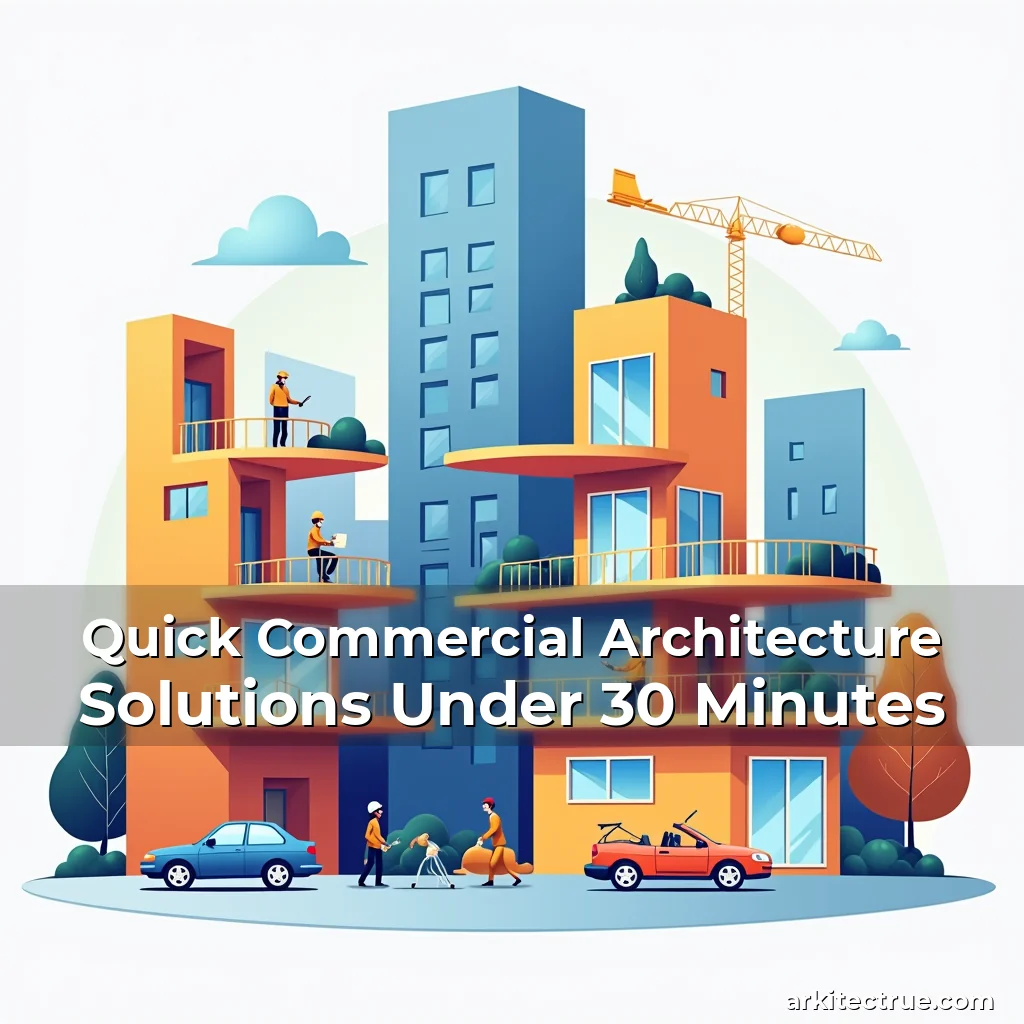
Quick Commercial Architecture Solutions Under 30 Minutes
In today’s fast-paced business environment, commercial architecture has evolved from mere structural design to a strategic discipline that shapes economic ecosystems. Architects now navigate complex challenges where functionality meets aesthetics while adhering to sustainability mandates.
The modern commercial architect must balance innovative design with practical execution, ensuring spaces are not only visually compelling but also economically viable and environmentally responsible.
The Evolution of Commercial Architectural Practices
Commercial architecture has undergone dramatic transformations since the early industrial era. The shift from utilitarian warehouses to sophisticated office complexes reflects changing economic needs and technological advancements.
Early commercial buildings prioritized basic function over form, featuring minimal ornamentation and straightforward layouts optimized for storage and production processes.
By the mid-20th century, the rise of corporate entities led to the development of high-rise structures designed for efficient vertical space utilization. This period saw the introduction of glass curtain walls and open-plan interiors.
Contemporary architects face new demands including flexible workspaces, energy efficiency standards, and integration with smart technologies. Modern projects often incorporate mixed-use developments combining retail, residential, and office functions.
- Technological Integration: Smart building systems allow real-time monitoring of energy usage, security, and environmental conditions through IoT-enabled devices.
- Sustainable Design: LEED certification requirements have become standard practice, emphasizing green materials, natural lighting optimization, and water conservation strategies.
- Flexible Spaces: Modular construction techniques enable rapid reconfiguration of interior layouts to accommodate evolving business models and remote work trends.
Design Principles Shaping Contemporary Commercial Structures
Modern commercial architecture emphasizes several key principles that guide the creation of functional yet aesthetically pleasing environments. These principles address both immediate user needs and long-term operational considerations.
A primary consideration is the relationship between indoor and outdoor spaces. Effective designs maximize natural light exposure while maintaining thermal comfort through advanced glazing solutions and shading mechanisms.
Versatility remains crucial as businesses continuously adapt their operations. Open-concept floor plans with movable partitions support diverse workspace configurations ranging from collaborative hubs to private meeting rooms.
Ergonomic design elements play an essential role in occupant well-being. From adjustable furniture to acoustical treatments, every aspect contributes to creating productive working environments.
Statistical Insights on Space Utilization
Recent studies indicate that companies investing in adaptable commercial spaces report up to 30% higher employee satisfaction rates compared to those using traditional fixed layouts.
Data analysis shows that properly implemented daylighting strategies can reduce artificial lighting costs by approximately 40%, significantly impacting overall operating expenses.
Occupancy sensors combined with automated HVAC systems help maintain optimal temperature levels while minimizing energy waste, resulting in average annual savings of $8,000 per 10,000 square feet.
Material Selection and Construction Techniques
The choice of materials profoundly affects both the aesthetic appeal and performance characteristics of commercial buildings. Sustainable sourcing practices have gained prominence due to increasing environmental consciousness among stakeholders.
Steel frames offer exceptional strength-to-weight ratios making them ideal for high-rise constructions. Their durability ensures longevity while allowing for creative architectural expressions through exposed structural elements.
Concrete provides versatility in forming complex geometries and offers excellent fire resistance properties. Prefabricated concrete components streamline construction timelines without compromising quality.
Glass facades enhance visual connectivity between interior spaces and external surroundings. Advances in laminated safety glass ensure transparency without sacrificing structural integrity.
- Green Roof Systems: Vegetative roofs improve insulation, manage stormwater runoff, and contribute to urban biodiversity when integrated thoughtfully within building envelopes.
- Recycled Materials: Incorporating reclaimed wood and recycled steel reduces carbon footprints while adding character through distinctive textures and finishes.
- Cross-Laminated Timber (CLT): This engineered wood product combines sustainability benefits with structural capabilities suitable for multi-story commercial applications.
Regulatory Compliance and Safety Standards
Compliance with local building codes and international safety regulations forms the foundation of any successful commercial project. Architects must stay updated on evolving standards related to accessibility, fire protection, and seismic resilience.
The Americans with Disabilities Act (ADA) requires commercial spaces to include features such as ramps, wide doorways, and accessible restrooms. Proper implementation enhances usability for individuals with various mobility impairments.
Fire safety protocols involve designing escape routes, installing smoke detection systems, and selecting flame-retardant materials. Regular maintenance checks ensure these systems remain fully operational during emergencies.
Structural engineers collaborate closely with architects to determine appropriate load-bearing capacities based on geographic factors like earthquake zones or coastal erosion risks.
Case Studies in Innovative Commercial Architecture
Pioneering examples demonstrate how visionary approaches redefine commercial spaces globally. One notable case involves Apple Park in Cupertino, California, which integrates biophilic design principles with cutting-edge technology.
This iconic structure features a ring-shaped layout maximizing natural illumination across its entire surface area. Its use of curved glass panels creates seamless transitions between indoor workstations and exterior landscapes.
The Bullitt Center in Seattle exemplifies net-zero energy consumption through solar panel arrays, rainwater harvesting systems, and composting toilets. It serves as a benchmark for future sustainable commercial developments.
These case studies highlight the potential for commercial architecture to achieve harmony between ecological responsibility and architectural innovation.
Future Trends Reshaping Commercial Architecture
Emerging technologies and shifting societal priorities continue to influence the trajectory of commercial architecture. Artificial intelligence and machine learning algorithms now assist in optimizing spatial arrangements and predicting maintenance needs.
The concept of regenerative design goes beyond sustainability by actively restoring ecosystems rather than merely reducing negative impacts. Buildings may soon generate surplus energy that feeds back into municipal grids.
Advancements in 3D printing could revolutionize construction methods by enabling faster assembly times and reduced material waste. Customizable components might be produced on-site using digital fabrication techniques.
As cities grow denser, adaptive reuse of existing infrastructure becomes increasingly relevant. Converting old factories into co-working spaces or repurposing abandoned railway stations presents opportunities for creative redevelopment.
Challenges Facing Modern Commercial Architects
Navigating the complexities of contemporary commercial architecture requires overcoming numerous obstacles that impact project success. Rapidly changing market demands force designers to constantly innovate while managing tight deadlines.
Balancing client expectations with budget constraints poses significant challenges. Clients often seek luxurious amenities at lower cost points, requiring resourceful solutions that deliver value without excessive expenditure.
Environmental concerns demand meticulous attention to lifecycle assessments considering embodied energy in materials selection and end-of-life disposal scenarios for construction products.
Rising labor costs coupled with skilled workforce shortages create pressure on construction schedules. Employing modular construction methods helps mitigate delays associated with conventional build methodologies.
Strategies for Successful Commercial Projects
Implementing effective strategies enhances the likelihood of delivering commercially viable and architecturally impressive projects. Early stakeholder engagement fosters alignment regarding vision, scope, and financial parameters.
Utilizing Building Information Modeling (BIM) improves coordination among disciplines by providing a centralized platform for sharing technical data and detecting clashes before physical construction begins.
Conducting thorough site analyses informs decisions about orientation, landscaping, and infrastructure connections that optimize both functionality and environmental compatibility.
Maintaining clear communication channels throughout the project timeline minimizes misunderstandings and facilitates prompt resolution of issues as they arise.
Conclusion
Commercial architecture continues to evolve as a dynamic field blending creativity with practicality. Innovations in materials, technologies, and design philosophies shape the built environment in profound ways.
Professionals engaged in this domain must embrace continuous learning and adaptability to thrive amidst ongoing changes. By integrating sustainability, flexibility, and regulatory compliance into their workflows, architects contribute meaningfully to shaping tomorrow’s commercial landscape.

news is a contributor at ArkitecTRUE. We are committed to providing well-researched, accurate, and valuable content to our readers.
You May Also Like



Related Posts
Fundamental Principles of Commercial Architecture
November 22, 2025
Commercial Architecture for Small Spaces
April 29, 2026