
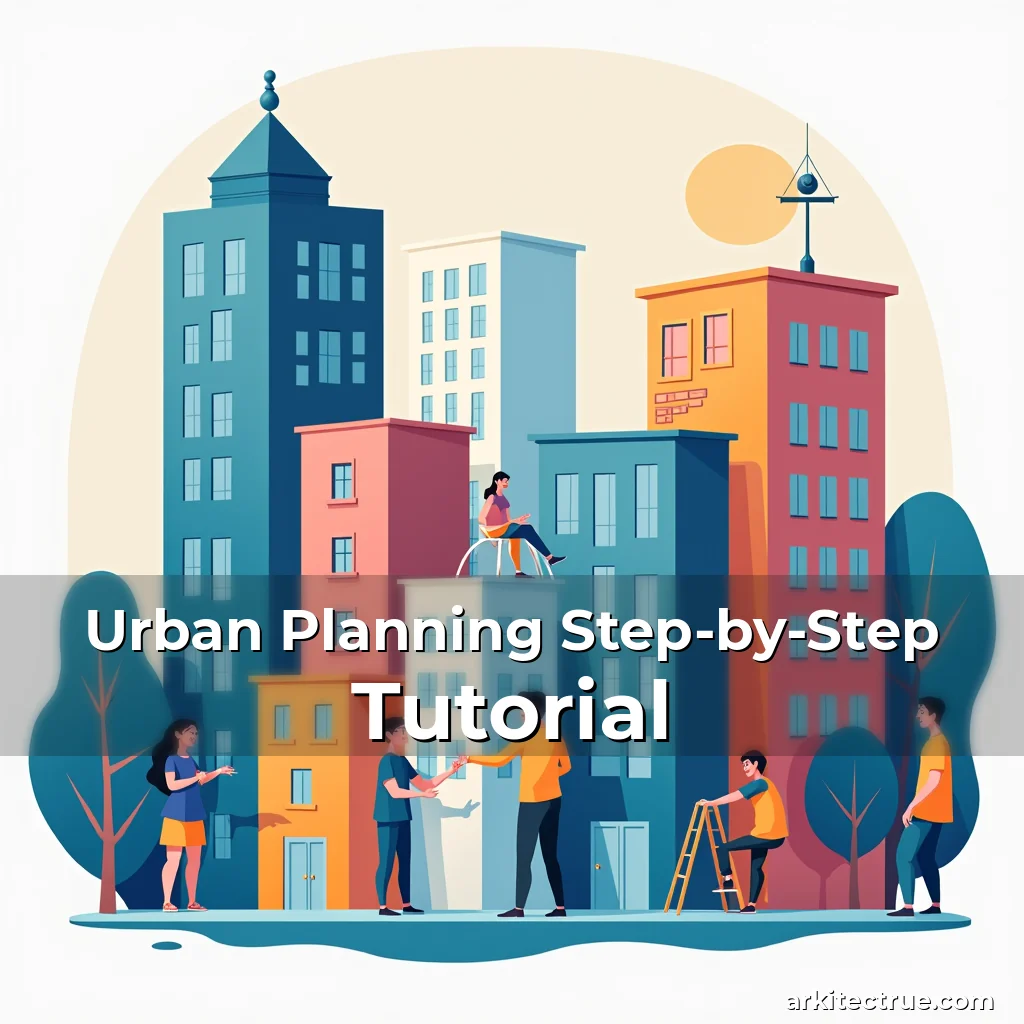
Designing Tomorrow’s Cities: A Strategic Approach to Modern Urban Planning
In today’s rapidly evolving world, urban planning stands at the intersection of innovation and tradition, shaping not just physical spaces but the way we live, work, and interact. As cities grow denser and environmental concerns become more pressing, planners face unprecedented opportunities—and responsibilities—to create sustainable, livable environments.
This guide explores cutting-edge practices, emerging technologies, and timeless principles that define successful urban planning initiatives across the globe. Whether you’re an architect seeking inspiration or simply curious about city-making processes, these insights offer a roadmap to tomorrow’s built environment.
The Foundations of Sustainable Urban Design
Sustainable urban planning begins with a fundamental shift in perspective—one that prioritizes long-term viability over short-term gains. At its core lies a commitment to minimizing ecological footprints while maximizing quality of life for residents.
This approach integrates natural systems with human activity through strategic zoning, green infrastructure, and resource-efficient building codes. When done effectively, it transforms concrete jungles into thriving ecosystems that support biodiversity alongside human habitation.
- Nature-based solutions: Incorporating parks, wetlands, and rooftop gardens reduces heat island effects and improves air quality
- Circular economies: Waste management systems that convert trash into usable materials promote sustainability
- Renewable energy integration: Solar panels and wind turbines incorporated into municipal buildings demonstrate forward-thinking investment
Smart Technologies Reshaping Cityscapes
The digital revolution has brought transformative tools to urban planners, enabling smarter decision-making through data analytics and AI-driven modeling. These innovations allow for predictive maintenance, optimized traffic flow, and enhanced public safety measures.
Internet of Things (IoT) devices embedded in streetlights, waste bins, and pedestrian crossings provide real-time feedback that informs responsive governance. Smart grids manage electricity distribution dynamically, reducing blackouts during peak demand periods.
Achieving true smart city status requires robust cybersecurity protocols to protect sensitive infrastructure networks. Without adequate safeguards, interconnected systems become vulnerable to malicious attacks that could disrupt entire municipalities.
Fostering Inclusive Communities Through Thoughtful Design
Equitable access to resources remains one of the most pressing challenges facing modern metropolises. Planners must address systemic inequalities by designing spaces that serve diverse populations rather than favoring elite demographics.
Mixed-income housing developments prevent socioeconomic segregation while walkability features ensure equal access to amenities. Universal design standards make public spaces accessible to people with disabilities, the elderly, and children.
Community engagement plays a pivotal role in creating truly inclusive environments. Participatory budgeting models empower citizens to direct funds toward local priorities, fostering a sense of ownership among residents.
Redefining Transportation Networks for Efficiency
Modern urban planning recognizes that effective mobility solutions form the backbone of any vibrant city. Prioritizing multimodal transport options creates seamless connectivity between different neighborhoods and economic hubs.
Pedestrian-friendly streetscapes with wide sidewalks and tree-lined corridors encourage walking as primary mode of transport. Expansive bike lane networks coupled with secure parking facilities promote cycling culture across all age groups.
Elevated rail lines and underground metro systems reduce road congestion while significantly lowering carbon emissions. Autonomous vehicles represent another frontier, potentially revolutionizing last-mile delivery services and shared mobility platforms.
Intelligent traffic management systems use adaptive signal timing to optimize vehicle flow, decreasing commute times and fuel consumption. Real-time transit apps enhance passenger experience by providing

news is a contributor at ArkitecTRUE. We are committed to providing well-researched, accurate, and valuable content to our readers.
You May Also Like


Related Posts

Urban Planning for Beginners: Getting Started
February 18, 2026
Quick Urban Planning Solutions Under 30 Minutes
February 23, 2026