
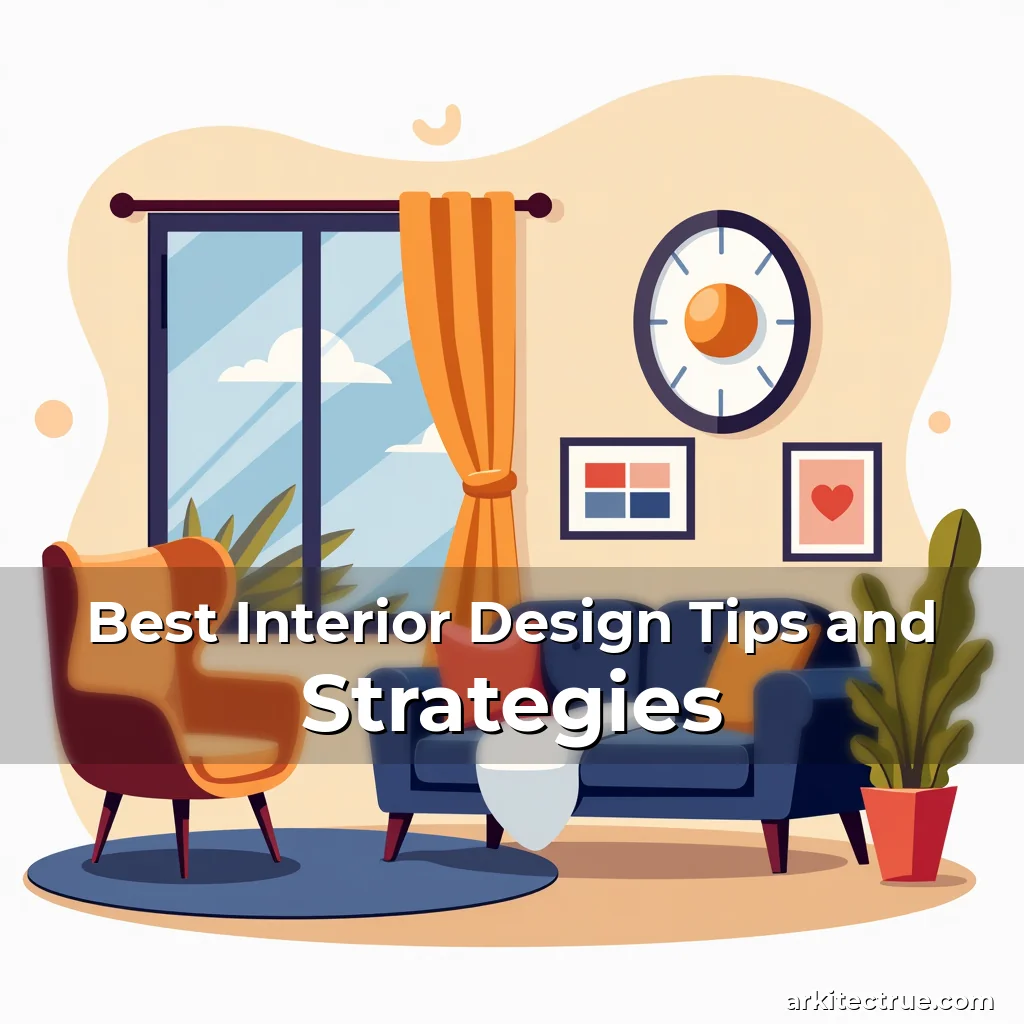
The Art of Spatial Harmony: Mastering Interior Design Principles for Modern Living Spaces
In an era where living spaces are as much about personal expression as they are about functionality, interior design has evolved from mere decoration to a sophisticated discipline that blends aesthetics, ergonomics, and psychology. Architects and designers today face the challenge of creating environments that not only look beautiful but also enhance well-being, productivity, and comfort.
This comprehensive guide delves into the essential principles, innovative strategies, and practical techniques that define modern interior design. Whether you’re renovating your home or designing commercial spaces, understanding these fundamentals can transform any environment into a harmonious sanctuary tailored to its occupants’ needs.
Fundamental Design Principles That Shape Exceptional Interiors
At the core of every great interior lies a foundation built upon timeless design principles. These include balance, proportion, rhythm, emphasis, and unity—each playing a critical role in shaping visually appealing and functionally efficient spaces.
Balance ensures visual stability by distributing elements evenly across a room. This doesn’t always mean perfect symmetry; asymmetrical balance using contrasting objects can create dynamic yet cohesive layouts. Proper proportions prevent overcrowding while ensuring furniture and decor remain in scale with their surroundings.
- Proportion: Ensuring all components relate logically to each other in size and form creates a sense of order and coherence.
- Rhythm: Repeating patterns or colors along walls, flooring, or textiles introduces movement without overwhelming the space.
- Emphasis: Focal points such as statement lighting or artwork draw attention and anchor the composition effectively.
- Unity: Coordinating textures, shapes, and hues fosters cohesion, making even complex designs feel intentional rather than chaotic.
When applied thoughtfully, these principles work together to craft interiors that resonate emotionally with inhabitants while maintaining structural integrity and usability.
Color Theory: Creating Emotional Atmospheres Through Pigments and Tones
Selecting the right color palette is one of the most influential decisions in interior design. Colors evoke emotions, influence moods, and impact spatial perception significantly.
Warm tones like reds, oranges, and yellows stimulate energy and warmth but may overwhelm smaller rooms. Cool blues, greens, and purples promote calmness and serenity, often used in bedrooms or meditation areas. Neutral shades offer versatility, allowing easy updates through accessories or accent pieces.
Psychological Impact of Color Choices
Studies have shown that certain colors affect human behavior predictably. For instance, blue enhances concentration levels when incorporated into office settings. Yellow boosts creativity but requires careful application to avoid overstimulation.
Moreover, cultural associations play a vital role in color selection. In some regions, white symbolizes purity whereas black represents elegance in others. Understanding these nuances helps designers create culturally sensitive environments that respect local traditions.
Lighting Strategies: Illuminating Your Space with Purposeful Light Sources
Adequate illumination transforms ordinary rooms into extraordinary experiences. Layered lighting approaches combine ambient, task, and accent lights to achieve both functional clarity and aesthetic appeal.
Ambient lighting provides general illumination via ceiling fixtures or wall sconces. Task lighting focuses on activity zones like kitchens or desks, reducing eye strain during focused tasks. Accent lighting highlights architectural features or decorative items, adding depth and dimensionality to flat surfaces.
Smart lighting systems now allow homeowners to customize brightness levels remotely based on time-of-day preferences or mood changes—an innovation revolutionizing how we interact with our living spaces digitally.
Material Selection: Choosing Textures And Surfaces That Elevate The Experience
The materials chosen for floors, countertops, cabinetry, and upholstery greatly influence tactile sensations and overall ambiance within a space. Natural versus synthetic options present distinct advantages depending on desired outcomes.
Natural woods bring organic warmth and character but require regular maintenance against wear-and-tear factors like moisture exposure. Synthetic composites offer durability and low-maintenance benefits at potentially lower costs though might lack authentic texture qualities found in genuine materials.
Sustainable Material Trends In Contemporary Design
Eco-friendly alternatives such as bamboo flooring, recycled glass tiles, or reclaimed wood panels are gaining popularity due to growing environmental consciousness among consumers. These choices reduce ecological footprints without sacrificing style or quality standards typically associated with premium products.
Additionally, innovations like self-cleaning coatings for fabrics help maintain cleanliness effortlessly while minimizing chemical usage—a win-win scenario promoting healthier indoor air quality alongside sustainability goals.
Furniture Layout Techniques: Optimizing Flow And Functionality Within A Room
Crafting effective floor plans involves considering traffic flow paths between key zones such as entrances, seating clusters, cooking stations, etc. Thoughtful placement prevents congestion issues common in poorly planned layouts.
The golden ratio concept suggests positioning larger furniture pieces diagonally instead of aligned strictly parallel to walls; this arrangement naturally guides viewer’s eyes around the room smoothly without abrupt directional shifts.
Moving beyond traditional grid-based arrangements opens possibilities for creative configurations that suit individual lifestyles better than rigidly imposed guidelines ever could.
Personalization Through Decor Elements: Infusing Identity Into Every Surface
Decorative accents serve dual purposes—enhancing visual interest while reflecting owner’s personality traits visibly through curated selections. From wall art collections to custom-made rugs, each item contributes uniquely towards defining personal taste.
Vintage finds mixed with contemporary artworks demonstrate eclectic sensibilities successfully bridging eras seamlessly. Strategic use of mirrors expands perceived square footage subtly increasing openness perceptions particularly useful in compact apartments.
Trends Shaping Tomorrow’s Interior Designs: What To Expect Next Year
Interior design continues evolving rapidly driven largely by technological advancements and shifting societal values surrounding health & wellness considerations. Several emerging trends indicate future directions worth noting closely.
Biophilic design emphasizing connection with nature remains prominent featuring increased incorporation of plants indoors supported by improved LED grow light technologies enabling year-round greenery regardless seasonal limitations outside.
Modular furniture solutions provide flexibility adapting easily according to changing needs whether temporary reconfigurations required post-pandemic restrictions still lingering globally affecting work-life boundaries permanently altered forevermore.
Lastly, inclusive design philosophies prioritize accessibility improvements ensuring everyone irrespective age group abilities enjoys equal access amenities designed originally intending universal usability standards benefitting broader demographics unintentionally overlooked previously.
Conclusion
Mastering interior design requires balancing artistic vision with technical expertise grounded firmly within established theoretical frameworks coupled continuously updated knowledge regarding current industry practices.
By embracing fundamental principles, employing strategic color palettes, optimizing natural/artificial light sources wisely, selecting appropriate materials responsibly, arranging furniture efficiently, personalizing decors authentically, staying informed about upcoming trends proactively—you too can become adept creator crafting remarkable interiors worthy admiration far beyond superficial appearances alone.

news is a contributor at ArkitecTRUE. We are committed to providing well-researched, accurate, and valuable content to our readers.
You May Also Like

Related Posts

How to Choose Interior Design: Expert Guide
February 25, 2026
Interior Design vs Alternatives: Complete Comparison
February 25, 2026