
The Ingenious Fusion: Exploring Architectural Engineering Through Innovative Design and Structural Mastery
In an era where buildings are not merely shelters but statements of artistry and innovation, architectural engineering emerges as the crucial bridge between vision and reality. It is here that creativity meets science, ensuring structures are both aesthetically pleasing and structurally sound.
This multidisciplinary field combines principles from architecture, civil engineering, mechanical systems, and environmental design to create spaces that serve functional purposes while captivating the imagination.
Understanding the Core Principles of Architectural Engineering
At its heart, architectural engineering revolves around translating abstract ideas into tangible forms through meticulous planning and advanced technical expertise. This process demands a deep understanding of materials, forces, and spatial relationships.
Engineers must consider how elements like load distribution, thermal performance, and acoustics contribute to the longevity and comfort of built environments. These considerations become especially critical when working within constraints such as budget limitations or site-specific challenges.
A strong foundation in mathematics and physics enables professionals to calculate stress points accurately, predict material behavior under various conditions, and ensure compliance with safety regulations across different jurisdictions.
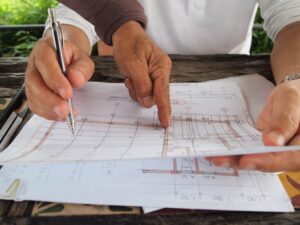
Modern architectural engineers also integrate digital tools like BIM software which allows for virtual modeling before construction begins. This technology aids in identifying potential issues early on and facilitates better communication among stakeholders involved in any project.
Bridging Creativity with Technical Precision
While architects often take center stage in designing visually striking buildings, it’s the role of architectural engineers who bring those blueprints to life by focusing on structural integrity and system integration.
They collaborate closely with architects during every phase—from conceptualization right down to final inspections—ensuring that creative visions align seamlessly with practical requirements without compromising either aesthetic appeal nor functionality.
For instance, imagine envisioning a towering glass structure; here enters the engineer’s expertise regarding wind resistance calculations necessary so that said façade remains intact amidst high-speed gusts.
Digital twins—an exact replica of physical assets created using real-time data streams—are now being used extensively for monitoring building health post-construction. Such technologies enable proactive maintenance strategies that save costs significantly over time.
- Use of Digital Twins: By creating real-time replicas of structures, maintenance teams can detect wear patterns preemptively thus avoiding expensive damages later on.
- Sustainable Material Integration: Utilizing recycled steel beams or concrete infused with fly ash reduces carbon footprint substantially yet maintains strength standards required globally.
An essential aspect lies in harmonizing aesthetics with efficiency; hence why many contemporary projects feature green roofs designed not only to enhance visual appeal but also act as insulation layers reducing energy consumption long term.
Evolving Trends Shaping Modern Architectural Engineering Practices
The rapid advancement of artificial intelligence has opened new frontiers allowing predictive analytics models capable of forecasting structural failures based upon historical data sets coupled with current sensor readings from installed IoT devices embedded within constructions themselves.
These AI-driven simulations allow designers greater freedom knowing they have robust support behind their unconventional shapes because risk assessments are made much quicker than traditional methods ever could achieve manually.
Moreover, additive manufacturing techniques commonly known as 3D printing offer unprecedented flexibility enabling bespoke components previously deemed too complex or costly to produce traditionally.
Such innovations challenge conventional wisdom about what constitutes feasible construction methodologies thereby expanding possibilities available today beyond yesterday’s limitations imposed solely due lack thereof suitable tools at hand.
The Role Of Sustainability In Contemporary Architectural Engineering
Sustainability isn’t merely optional anymore—it’s becoming non-negotiable within modern architectural practice due increasing global awareness surrounding climate change impacts caused largely by human activity related industries including construction sector itself.
As part efforts toward net-zero emissions targets set forth internationally via agreements like Paris Climate Accord initiatives aimed at limiting average temperature rises well below two degrees Celsius above preindustrial levels require immediate action across all sectors particularly energy-intensive ones such as housing developments.
Designing with sustainability requires integrating passive solar heating strategies along with incorporating natural ventilation paths throughout layouts minimizing reliance upon mechanical HVAC units thereby cutting operational expenses considerably over lifespan cycles.
Smart glass technology offers dynamic control capabilities adjusting transparency according lighting conditions outside helping regulate internal temperatures automatically lessening need extra cooling/heating mechanisms ultimately conserving resources efficiently.
Emerging Technologies Revolutionizing The Field Today
The advent of Internet-of-things(IoT) sensors positioned strategically throughout buildings provides continuous feedback loops concerning humidity levels moisture infiltration vibrations etc.. All these parameters inform decisions related repairs upkeep schedule optimization amongst others things significantly enhancing lifecycle management prospects notably.
Fully autonomous drones equipped LiDAR scanners perform aerial surveys capturing highly accurate topographic maps useful initial stages planning phases aiding precise placement foundations supports frameworks accordingly saving excavation times money spent otherwise would’ve been wasted digging blind spots groundlessly assuming wrong assumptions made earlier steps ahead project timelines getting derailed unnecessarily).
Furthermore, augmented reality interfaces overlay computer generated imagery onto real world surroundings giving users immersive experiences test out designs virtually without needing construct actual prototypes first saving substantial funds allocated initially towards prototyping processes.
Cybersecurity protocols securing networked infrastructure against cyber threats pose another emerging concern requiring attention alongside technological enhancements themselves ensuring overall security posture remains fortified against malicious actors seeking exploit vulnerabilities exposed due interconnected nature smart cities relying heavily digitized operations.
Challenges Faced By Practitioners Within The Industry
Despite numerous advancements transforming landscape profoundly there exist still formidable obstacles hindering full realization transformative potentials inherent within discipline.
One significant hurdle relates regulatory framework disparities existing between regions countries impacting consistency application international best practices adopted locally leading confusion among practitioners attempting navigate maze varying codes standards applicable wherever works located currently.
Labor shortages exacerbated further skill gaps arising from rapidly evolving tech landscapes mean fewer individuals adequately trained handle sophisticated machinery software platforms integral new workflows demanding higher level competencies formerly unrequired prior decades ago.
Additionally, public perception sometimes lags behind technological progress resulting misconceptions regarding complexities involved executing ambitious futuristic schemes despite clear evidence demonstrating feasibility success stories already implemented elsewhere successfully proving viability concepts proposed.
The Future Landscape For Aspiring Professionals Entering Sector
With demand projected surge dramatically upcoming years driven factors including urbanization rates climbing population growth rates expected rise approximately ten billion people globally necessitating additional residential commercial infrastructural solutions meeting needs diverse communities worldwide.
Younger generation increasingly prioritizes purposeful living spaces emphasizing wellness wellbeing aspects prompting architectural engineers develop holistic approaches addressing multifaceted concerns simultaneously rather specializing narrowly focused silos disciplines alone.
To remain competitive within evolving marketplace professionals must commit lifelong learning embracing interdisciplinary collaborations cultivating adaptability navigating unpredictable changes coming ahead horizon confidently.
Academic institutions adapting curricula reflect industry trends embedding courses centered sustainable development digital literacy ethical leadership preparing graduates ready tackle challenges awaiting them freshly out school gates armed knowledge skills relevant contemporary context.
Conclusion
Architectural engineering stands at fascinating intersection blending artistic expression scientific rigor together shaping future skylines landscapes we inhabit daily.
By mastering synergy existing between form function while staying attuned latest breakthroughs continuously will open endless opportunities those passionate pursuing careers devoted making difference built environment positively impact generations unborn yet.
“`

news is a contributor at ArkitecTRUE. We are committed to providing well-researched, accurate, and valuable content to our readers.
You May Also Like