
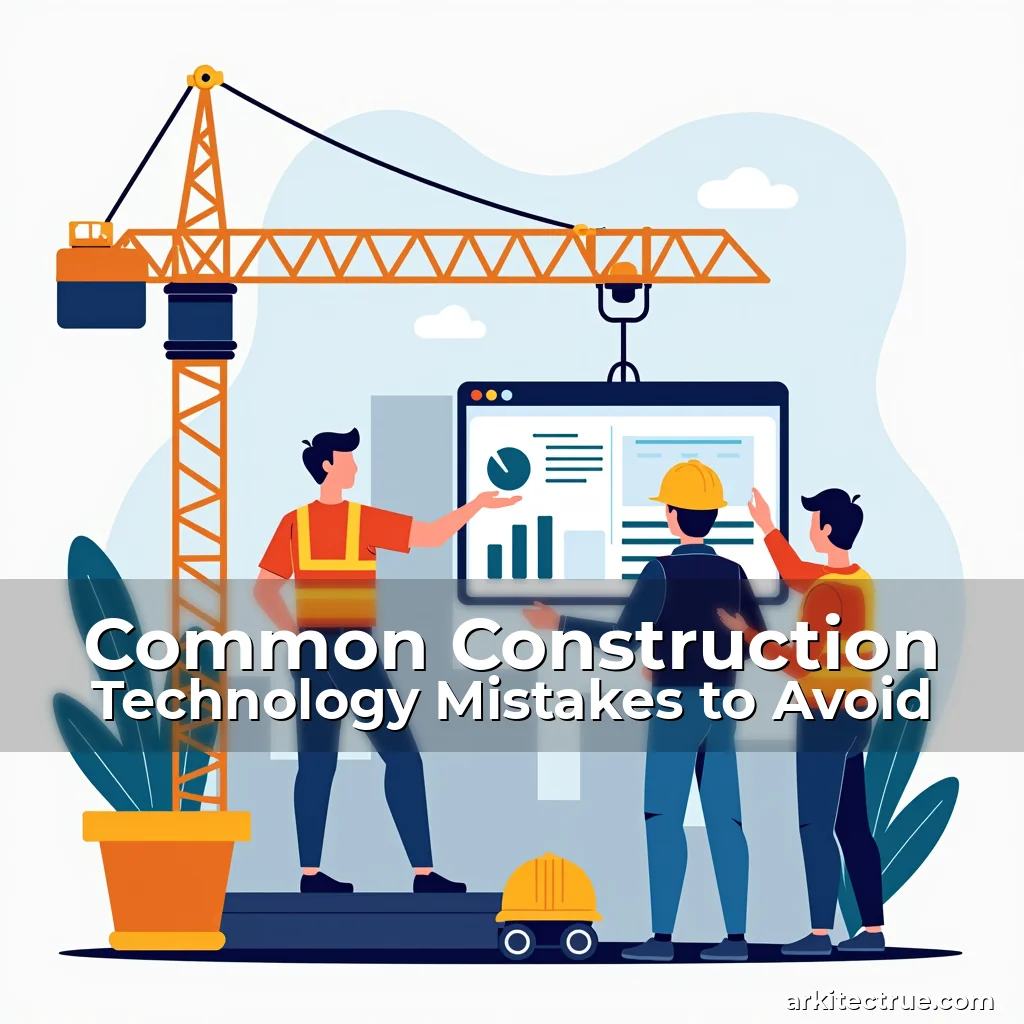
BIM Implementation Challenges in Architectural Projects
Building Information Modeling continues to redefine collaborative workflows in construction. However, many firms still struggle with full integration due to outdated software versions and insufficient training programs.
Successful BIM adoption requires cross-disciplinary coordination among architects, structural engineers, and MEP specialists. Without unified standards, models often contain conflicting data that delays project timelines significantly.
- Data interoperability: Incompatible file formats frequently cause workflow disruptions when exchanging design files between different software platforms
- Training gaps: Many professionals lack proficiency in advanced BIM features that could optimize spatial analysis and clash detection capabilities
- Cost considerations: Upgrading infrastructure for cloud-based BIM solutions represents a significant financial investment for smaller architectural firms
Industry leaders recommend implementing phased transitions rather than abrupt overhauls. Starting with pilot projects allows teams to gradually build expertise before scaling up BIM implementation across larger portfolios.
Statistics show that companies achieving full BIM maturity experience approximately 20% faster project delivery times compared to those using traditional CAD methods exclusively.
Automation in Prefabrication Processes
Automated prefabrication systems are revolutionizing modular construction techniques. CNC machines and robotic arms enable precise component manufacturing that reduces material waste by up to 40%.
Digital twin technology complements automated fabrication by creating virtual replicas of physical components. This allows for real-time quality assurance checks during production cycles.
Advancements in Robotic Assembly
Recent breakthroughs in robotics have enabled autonomous assembly of complex structural elements. Companies like Boston Dynamics demonstrate robots capable of handling heavy loads with millimeter-level accuracy.
A 2023 study found that projects utilizing robotic assembly experienced a 68% reduction in manual labor injuries compared to conventional construction sites. This improvement stems from decreased exposure to hazardous tasks.
Critical success factors include investing in specialized training programs for operators who oversee these sophisticated machines. Human oversight remains essential despite high levels of automation.
The initial capital expenditure for setting up robotic assembly lines typically ranges between $2-5 million depending on the scale and complexity of operations.
Sustainable Material Innovations
New composite materials are redefining sustainable construction practices. Cross-laminated timber (CLT) offers strength comparable to concrete while sequestering carbon dioxide during growth.
Self-healing concrete incorporates bacteria cultures that activate upon crack formation, extending structural lifespan by up to 30 years according to recent research findings.
Nanotechnology applications enable smart surfaces that adjust thermal properties based on environmental conditions. These dynamic materials reduce energy consumption for climate control by as much as 25%.
While promising, some eco-friendly alternatives face cost barriers that limit widespread adoption. A comparative analysis shows green materials typically command 15-20% higher prices initially.
However, life cycle assessments reveal long-term savings through reduced maintenance needs and extended service lives. Architects must balance upfront costs against projected operational efficiencies.
Digital Twins for Real-Time Monitoring
Digital twin technology creates synchronized virtual representations of physical structures. These models allow continuous monitoring of load distribution patterns and structural integrity indicators.
Sensors embedded in critical infrastructure components transmit real-time data to the digital twin system. This enables predictive maintenance scheduling based on actual performance metrics instead of arbitrary time intervals.
Case Study: Shanghai Tower Integration
The Shanghai Tower employs a fully integrated digital twin system that monitors wind resistance characteristics. Sensors track building movement under various weather conditions with sub-millimeter precision.
Data analytics from the tower’s digital twin revealed unexpected stress distributions that informed mid-project design modifications. This proactive approach saved an estimated $2.8 million in potential retrofitting expenses.
The platform also tracks energy usage patterns across different zones, optimizing HVAC performance dynamically. Monthly energy savings reached 18% after three months of operation.
Implementation costs for a full-scale digital twin solution range from $500k to $2M depending on building size and sensor density requirements.
AI-Powered Design Optimization
Artificial intelligence algorithms analyze vast datasets to identify optimal building configurations. Machine learning models process historical performance data to predict future outcomes accurately.
Generative design software uses AI to produce thousands of viable options simultaneously. Architects can then refine parameters to meet aesthetic preferences while maintaining engineering viability.
These intelligent systems consider numerous variables including solar orientation, wind patterns, and local regulations automatically. This holistic approach prevents costly redesigns later in the development phase.
A Stanford University study demonstrated AI-generated designs achieved 35% better daylight optimization compared to human-only conceived plans in test scenarios.
Critics argue that relying too heavily on algorithmic outputs risks losing creative intuition crucial to exceptional architectural work. Best practice suggests treating AI as an augmentative tool rather than replacement.
IoT Applications in Smart Buildings
The Internet of Things connects building systems through networked sensors that monitor occupancy levels, temperature fluctuations, and equipment performance continuously.
Smart lighting systems adjust brightness based on ambient light levels and presence detection. This alone can reduce electricity consumption by up to 40% in commercial settings.
Occupancy tracking helps optimize space utilization by identifying underused areas. Some facilities report increased productivity gains from rearranging layouts accordingly.
Voice-controlled interfaces streamline daily operations for occupants. These systems integrate with security protocols to manage access permissions seamlessly.
Security concerns remain a challenge with connected devices. Implementing robust cybersecurity measures becomes imperative when deploying extensive IoT networks.
Initial setup costs vary widely depending on the number of endpoints deployed. Small office spaces may require only $5k-$15k whereas large complexes exceed $100k investments.
Evolving Safety Standards in High-Rise Construction
Heightened safety requirements now govern skyscraper developments globally. Advanced fall protection systems incorporate smart harnesses that alert workers to risky movements automatically.
Predictive analytics help anticipate potential hazards before incidents occur. By analyzing past accident data, risk mitigation strategies become more targeted and effective.
Augmented reality headsets provide real-time guidance during complex installations. Workers receive visual overlays showing correct procedures superimposed onto their field of view.
Some jurisdictions mandate regular drone inspections for high-rise structures exceeding certain height thresholds. This non-intrusive method detects facade deterioration early.
Despite technological advancements, human error remains a leading cause of accidents on construction sites. Ongoing training programs must evolve alongside new equipment introductions.
Blockchain for Supply Chain Transparency
Blockchain technology enhances supply chain visibility by recording every transaction permanently and immutably. This ensures accountability throughout the procurement process.
Smart contracts automate payments upon fulfillment of predefined conditions. This reduces administrative overhead associated with verifying compliance manually.
Traceability features allow verification of material origins instantly. This proves particularly valuable for sourcing ethical or environmentally certified products.
Although secure, blockchain implementations require careful consideration of privacy implications. Sensitive business information must be protected appropriately.
Adoption rates remain low primarily due to perceived complexity and high initial setup costs. Early adopters report improved vendor relationships and fewer disputes over deliverables.
Virtual Reality for Client Engagement
Immersive VR experiences let clients explore unbuilt spaces realistically. This improves communication by allowing stakeholders to visualize final results before construction begins.
Design adjustments become easier through interactive walkthroughs. Clients can request changes in real-time, reducing the need for multiple revisions later in the process.
Architects use VR to demonstrate spatial relationships effectively. Complex interior arrangements become comprehensible even to non-specialists.
Integration with BIM models provides accurate measurements within the virtual environment. Users can obtain dimensional data simply by interacting with objects.
VR hardware costs range from $1k-$5k per station depending on required specifications. Training users to navigate virtual environments adds to the overall investment.
Emerging Trends in Construction Robotics
Rapidly advancing robot technology is transforming site operations fundamentally. Autonomous vehicles transport materials safely across worksites minimizing worker exposure to hazards.
Bricklaying robots demonstrate remarkable speed and consistency in masonry work. One unit recently completed a wall segment in half the time taken by skilled human crews.
Drone swarms conduct aerial surveys efficiently covering large areas quickly. They collect geospatial data that feeds into project management software automatically.
Robots equipped with AI learn from previous tasks improving efficiency over time. Continuous adaptation makes them increasingly valuable for repetitive operations.
Regulatory frameworks lag behind technological progress creating uncertainty regarding liability issues. Clear guidelines are necessary to govern robot interactions on active construction sites.
Environmental Impact Assessments Using GIS
Geographic Information Systems enable thorough ecological evaluations before initiating construction projects. These analyses help avoid damaging sensitive habitats unnecessarily.
Detailed topographical mapping identifies flood-prone regions and erosion risks proactively. This informs site selection decisions that minimize environmental disruption.
Historical land-use data combined with current satellite imagery reveals potential contamination sites requiring remediation efforts beforehand.
GIS-assisted planning leads to more resilient urban developments resistant to climate change effects. Cities incorporating this approach see reduced disaster-related damages.
Skilled professionals interpret GIS data to develop comprehensive mitigation strategies. Their expertise ensures regulatory compliance while preserving biodiversity where possible.
Cloud Computing in Collaborative Workflows
Cloud-based platforms facilitate seamless collaboration across distributed teams working on shared projects. Real-time updates eliminate version confusion among multiple contributors.
Secure document storage protects intellectual property while enabling remote access for authorized personnel regardless of location. File sharing becomes instantaneous eliminating unnecessary delays.
Collaboration tools built atop cloud infrastructures support concurrent editing functions useful for multidisciplinary design reviews. Changes appear live across all connected devices.
Disaster recovery capabilities ensure continuity even during unforeseen events. Data backups reside in redundant locations preventing catastrophic loss scenarios.
Subscription-based pricing models offer flexible scalability options matching project demands precisely. This avoids excess spending on unused capacity.
Human-Machine Interface Developments
Intuitive controls simplify operating complex machinery used in modern construction. Touchscreen panels replace traditional mechanical switches enhancing usability significantly.
Haptic feedback systems improve precision when manipulating delicate instruments remotely. Vibration cues guide operators’ hand movements subtly yet effectively.
Wearable tech integrates with construction gear providing vital health metrics continuously monitored. This enables timely interventions when fatigue or distress signs emerge.
Voice recognition software allows hands-free operation of equipment crucial during high-risk activities. Commands executed verbally free up both hands for critical tasks simultaneously.
User interface design principles emphasize minimal cognitive load keeping interactions straightforward. This reduces errors caused by complicated menu navigation processes.
Future Outlook and Strategic Adoption
Continual technological advancement promises further improvements in construction methodologies. Staying abreast of emerging trends becomes essential for competitive advantage in the industry.
Investment in R&D drives innovation forward, yielding novel solutions addressing persistent challenges faced by practitioners regularly. Partnerships between academia and industry accelerate knowledge transfer effectively.
Standardization efforts aim to create universal compatibility across diverse software ecosystems currently fragmented by proprietary formats limiting interconnectivity severely.
Educational institutions update curricula to equip students with skills relevant to evolving job markets demanding technical competence alongside artistic vision equally importantly.
Global initiatives promote responsible adoption balancing technological progress against social equity considerations ensuring benefits reach broader populations equitably rather than selectively.
Conclusion
Construction technology presents transformative possibilities reshaping architectural landscapes globally. Integrating innovative solutions requires strategic planning considering economic feasibility alongside technical capability meticulously.
To maximize returns on investment, prioritize gradual implementation starting with proof-of-concept pilots before committing resources extensively. Regular evaluation of adopted technologies ensures alignment with organizational goals consistently.

news is a contributor at ArkitecTRUE. We are committed to providing well-researched, accurate, and valuable content to our readers.
You May Also Like
Related Posts
Construction Technology: Essential Tools and Resources
March 20, 2026

Best Construction Technology Tips and Strategies
March 15, 2026