
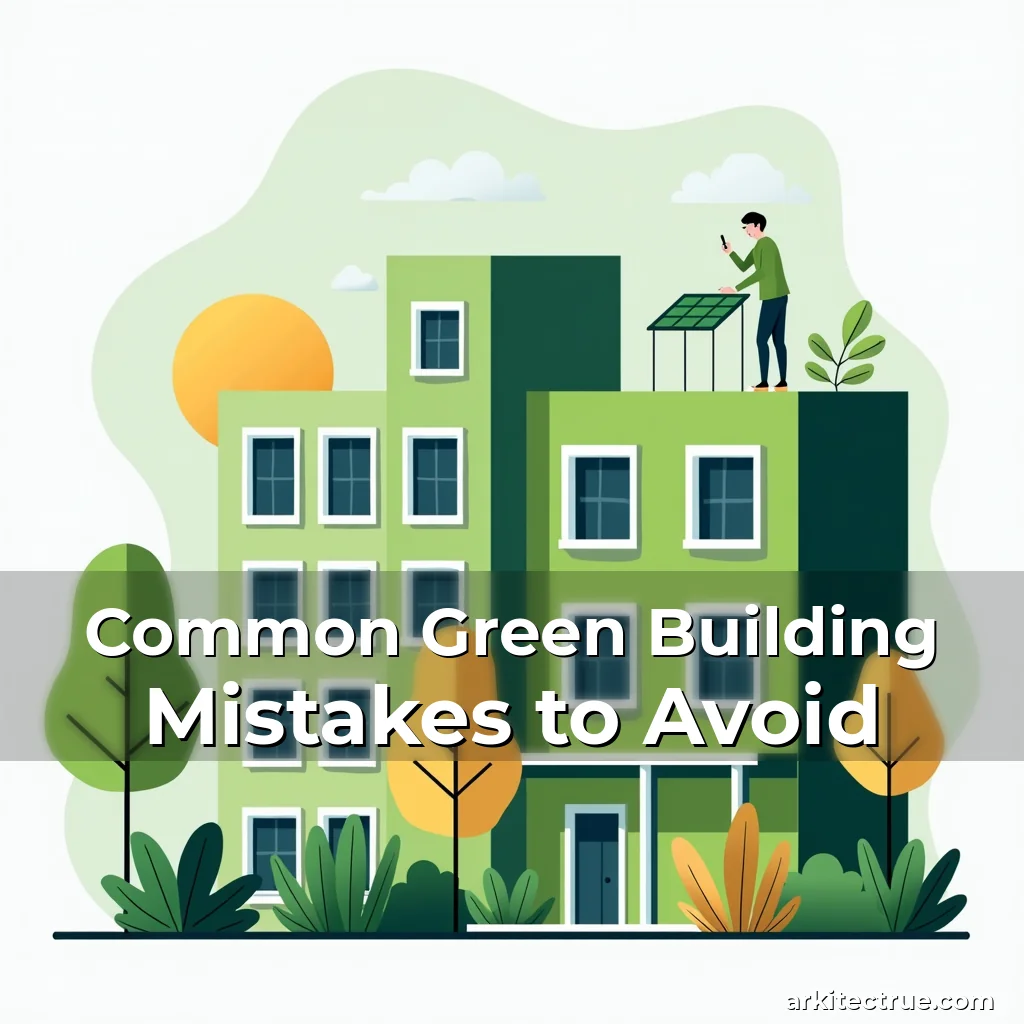
Common Green Building Mistakes to Avoid
The rise of sustainable construction has brought green building practices to the forefront of architectural design. However, despite its growing popularity, many professionals still make critical errors that undermine environmental goals and project success.
This article explores common pitfalls architects, builders, and developers encounter when implementing eco-friendly strategies. By understanding these mistakes, stakeholders can ensure their projects achieve true sustainability without compromising quality or functionality.
Failing to Conduct Comprehensive Site Analysis
A thorough site assessment is crucial before beginning any green building project. This process involves evaluating natural elements such as sunlight expo
Ignoring site-specific factors often leads to inefficient energy use and increased operational costs over time. For example, buildings constructed without considering solar orientation may require excessive artificial lighting and heating.
Site analysis should include:
- Evaluation of existing vegetation and soil composition
- Analysis of water drainage patterns and potential flood risks
- Assessment of microclimates within the surrounding area
Architects who skip this step risk creating structures that are ill-suited to their environment. Proper site evaluation enables the integration of passive design strategies that reduce long-term resource consumption.
One key aspect of site analysis is identifying opportunities for rainwater harvesting systems. Buildings located near natural water sources benefit from incorporating greywater recycling technologies.
Inadequate Integration of Passive Design Strategies
Passive design principles leverage natural forces rather than relying solely on mechanical systems. These techniques significantly impact a building’s energy efficiency and comfort levels.
Failure to implement passive solar heating, cross-ventilation, and thermal mass effectively wastes substantial energy resources annually. In temperate climates, improper window placement alone can increase cooling loads by up to 30%.
Properly designed shading devices and strategic glazing choices help regulate indoor temperatures naturally. This reduces reliance on air conditioning units during peak summer months.
Thermal mass materials like concrete or rammed earth absorb heat during the day and release it at night. When combined with appropriate insulation, they create stable interior environments year-round.
Building orientation plays a vital role in maximizing daylighting while minimizing glare issues. South-facing windows in northern hemisphere locations provide optimal winter sun exposure.
Best practices for passive design include:
- Using high-performance double-glazed windows with low-e coatings
- Installing operable windows for natural ventilation
- Designing open floor plans that facilitate airflow circulation
Overlooking Material Selection Criteria
The choice of construction materials greatly influences both environmental impact and occupant health. Selecting inappropriate materials can negate other sustainability efforts made during design phases.
Materials with high embodied energy – such as conventional steel and concrete – contribute disproportionately to carbon emissions compared to alternatives like reclaimed wood or recycled metals.
It’s essential to consider life cycle assessments when choosing building components. Some products appear environmentally friendly but have hidden negative impacts later in their service life.
Natural materials like bamboo, cork, and sheep’s wool offer renewable options with lower environmental footprints. They also enhance indoor air quality through natural moisture regulation properties.
Certifications like FSC (Forest Stewardship Council) and Cradle-to-Cradle help identify sustainably sourced materials. Builders should prioritize suppliers offering transparent sourcing information.
Material selection guidelines recommend:
- Preferring locally available materials to reduce transportation emissions
- Selecting non-toxic finishes free from volatile organic compounds (VOCs)
- Opting for durable materials that minimize replacement frequency
Insufficient Energy Performance Modeling
Accurate energy modeling allows designers to predict how different features will perform under various weather conditions. Without this data, assumptions about efficiency become guesswork.
Many green buildings fail to meet expected performance standards because initial simulations were incomplete or based on outdated software tools. Modern simulation programs now account for complex variables affecting building behavior.
Energy models should incorporate real-time occupancy patterns, equipment usage schedules, and maintenance scenarios. These factors dramatically influence actual energy consumption rates.
Professional-grade simulation software can identify areas where additional insulation or improved HVAC systems would yield significant savings. It helps quantify return-on-investment timelines for various upgrades.
Regular updates to energy models throughout construction ensure alignment between theoretical projections and physical implementations. Discrepancies often arise due to material substitutions or design changes.
Key considerations for effective energy modeling include:
- Considering regional climatic variations across different zones
- Accounting for future technological advancements in energy systems
- Integrating smart metering capabilities for continuous monitoring
Misunderstanding LEED Certification Requirements
LEED certification offers recognition for sustainable building achievements but requires strict adherence to specific criteria. Many teams misinterpret requirements leading to disqualification or reduced ratings.
Different LEED rating systems exist for commercial, residential, and institutional buildings. Choosing the wrong system undermines eligibility for points related to specialized categories.
Some common misconceptions involve assuming all renewable energy installations automatically qualify for credits. Specific technical specifications govern eligible solar panel arrays and geothermal systems.
Documentation processes for LEED submissions demand meticulous record-keeping from early design stages onwards. Missing paperwork often results in delayed approvals or denied applications.
Benchmarking against similar certified buildings provides insight into realistic expectations regarding credit attainment probabilities. Realistic goal-setting prevents unnecessary frustration during review periods.
Important tips for navigating LEED certification:
- Consulting experienced LEED consultants early in the project lifecycle
- Tracking all documentation requirements using digital management platforms
- Scheduling periodic reviews with certifying bodies to stay updated on policy changes
Underestimating Water Conservation Opportunities
Water conservation measures are frequently overlooked in favor of focusing exclusively on energy efficiency improvements. Yet, reducing potable water use contributes significantly to overall sustainability objectives.
Simple solutions like low-flow fixtures and dual-flush toilets can cut water consumption by up to 40%. More advanced systems integrate greywater reuse for irrigation purposes.
Rainwater harvesting systems capture runoff from rooftops for non-potable uses. When properly sized, these systems can supply most outdoor watering needs year-round.
Landscape design choices greatly affect water usage requirements. Native plant selections adapted to local climate conditions eliminate the need for supplemental irrigation.
Smart plumbing controls detect leaks instantly and alert occupants via mobile notifications. These systems prevent costly water waste caused by undetected pipe ruptures.
Effective water conservation strategies include:
- Installing sensor-based faucets in restrooms and kitchens
- Implementing drip irrigation systems for landscaping
- Choosing drought-resistant plants native to the region
Neglecting Indoor Environmental Quality Standards
Create spaces that promote occupant well-being without sacrificing sustainability goals. Poor indoor air quality compromises both health outcomes and productivity metrics.
Volatile Organic Compounds (VOCs) from paints, adhesives, and carpets degrade air quality inside sealed buildings. These substances cause respiratory problems ranging from mild irritation to chronic illnesses.
Strategic use of natural ventilation paths improves oxygen flow while reducing dependence on mechanical systems. Cross-ventilation designs allow fresh air exchange without requiring extensive power inputs.
Biophilic design elements such as living walls and indoor gardens purify air naturally while enhancing psychological well-being. Studies show these features boost concentration levels by up to 20%.
Lighting schemes should mimic natural circadian rhythms to support healthy sleep patterns. Daylighting combined with dimmable LED lighting achieves optimal illumination levels.
Indoor environmental quality enhancements suggest:
- Specifying low-VOC paints and sealants for interior surfaces
- Installing UV light purification systems in HVAC ductwork
- Providing ample natural light access through strategically placed windows
Disregarding Lifecycle Cost Analyses
Green building initiatives often emphasize upfront costs rather than long-term financial benefits. Short-sighted budgeting decisions lead to higher operating expenses down the line.
Lifecycle cost analysis considers not only initial expenditures but also ongoing maintenance, replacements, and disposal costs associated with each component. This holistic view reveals true economic advantages.
High-quality insulation installed initially pays for itself through reduced heating/cooling bills within five years. Lower-quality alternatives require frequent reapplication at greater expense.
Investments in renewable energy systems generate long-term savings even though installation fees seem steep at first glance. Solar panels typically pay back their initial investment within seven to ten years.
Calculating net present value (NPV) helps compare different investment options objectively. This metric accounts for inflation rates and discount factors influencing future cash flows.
Components to evaluate in lifecycle cost analyses include:
- Equipment durability and projected lifespan
- Availability of repair parts and service contracts
- End-of-life disposal options and recyclability rates
Overlooking Smart Technology Implementation
Modern green buildings rely heavily on intelligent automation systems to optimize resource utilization efficiently. Ignoring these technologies limits potential energy savings substantially.
Smart thermostats learn user preferences and adjust temperature settings accordingly. They reduce heating/cooling demands by up to 15% through adaptive scheduling features.
Occupancy sensors activate lights only when rooms are actually being used. Combined with motion detection technology, these systems cut electrical waste by nearly half.
Integrated building management systems monitor multiple parameters simultaneously including humidity levels, CO₂ concentrations, and air pressure differentials.
Data analytics platforms collect real-time usage patterns to identify inefficiencies quickly. Predictive maintenance algorithms warn of impending failures before they occur.
Essential smart technologies for green buildings encompass:
- Automated shading systems controlled by ambient light sensors
- Real-time energy monitoring dashboards accessible remotely
- Cloud-connected IoT devices enabling remote diagnostics
Improper Waste Management Planning
Construction sites generate vast amounts of debris that must be managed responsibly to avoid environmental harm. Neglecting waste reduction strategies increases landfill contributions unnecessarily.
Recycling programs separate reusable materials from general refuse streams. Metals, glass, plastics, and certain woods can be repurposed instead of discarded outright.
Composting organic waste reduces methane emissions from landfills. On-site composting facilities convert food scraps and landscape trimmings into nutrient-rich soil amendments.
Demolition waste diversion plans specify which materials should go to salvage yards versus recycling centers. This ensures maximum recovery rates for valuable components.
Waste audits conducted periodically measure progress toward zero-waste goals. These assessments reveal opportunities for improvement in material handling procedures.
Waste minimization approaches recommend:
- Designing modular components that can be easily disassembled for reuse
- Establishing partnerships with local recycling cooperatives
- Implementing waste tracking software to monitor disposal volumes
Failure to Engage Stakeholders Early
Sustainable building projects succeed when all relevant parties understand their roles and responsibilities. Lack of communication creates confusion that delays implementation timelines.
Early stakeholder engagement includes property owners, tenants, contractors, and regulatory authorities involved in the development process. Their input shapes practical aspects of sustainability strategies.
Workshops and educational sessions clarify what green building entails beyond basic definitions. This knowledge empowers participants to actively contribute meaningfully.
Feedback loops established during planning stages allow adjustments before commitments solidify. Iterative refinement prevents expensive mid-project redesigns later on.
Transparency regarding budget allocations builds trust among collaborators invested in shared objectives. Clear expectations foster cooperative relationships beneficial to all parties.
Stakeholder involvement best practices consist of:
- Holding regular interdisciplinary coordination meetings
- Creating visual aids demonstrating sustainability benefits
- Developing contingency plans addressing potential objections
Conclusion
By recognizing and avoiding these common green building mistakes, industry professionals can elevate the standard of sustainable architecture globally. Continuous learning remains essential in adapting to evolving environmental challenges.
Each successful green building initiative sets new benchmarks for others following suit. Collectively, these efforts shape an increasingly resilient built environment capable of meeting future generations’ needs sustainably.

news is a contributor at ArkitecTRUE. We are committed to providing well-researched, accurate, and valuable content to our readers.
You May Also Like


Related Posts
Green Building on a Budget: Money-Saving Tips
April 3, 2026
Green Building for Small Spaces
April 5, 2026

A Comprehensive Guide to the Austrian Construction Industry
April 10, 2025