
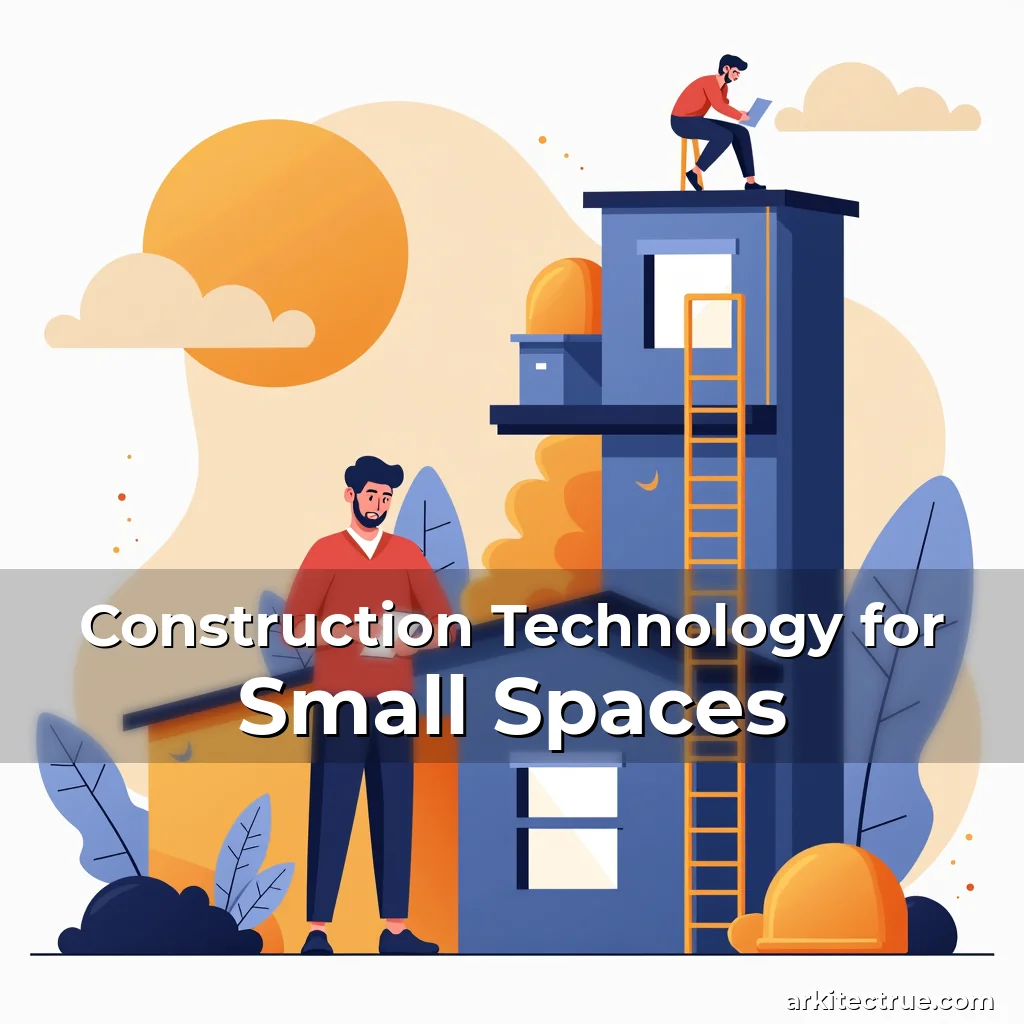
The Future is Built: Revolutionizing Construction with Modern Technologies
In an era defined by rapid technological advancements, the construction industry stands at the precipice of transformation. From artificial intelligence to 3D printing, innovations are reshaping how we design, build, and maintain structures.
This article explores cutting-edge technologies that are redefining construction practices across the globe. We’ll uncover how these tools enhance efficiency, sustainability, and safety while addressing modern challenges faced by architects and builders alike.
The Digital Blueprint: BIM and Smart Design Solutions
BIM has emerged as a game-changer in architectural design. This intelligent modeling system allows professionals to create detailed digital representations of buildings before any physical work begins.
By integrating data from various sources, BIM enables real-time collaboration among stakeholders. Engineers can detect clashes between electrical systems and structural components long before break ground.
Key benefits include:
- Cost savings: Early detection of issues reduces costly changes during construction phases
- Sustainability gains: Precise material calculations minimize waste by up to 30%
- Improved accuracy: Detailed models reduce human error in measurements and specifications
The integration of AI within BIM platforms enhances predictive analytics capabilities. Machine learning algorithms analyze historical project data to forecast potential delays or budget overruns.
Cloud-based BIM solutions facilitate seamless collaboration across global teams working on complex projects simultaneously without compromising quality control standards.
Concrete Reinvented: Advanced Materials Shaping Tomorrow’s Structures
Traditional concrete production contributes significantly to global CO₂ emissions. Researchers have developed self-healing concrete containing bacteria that activate when exposed to water damage.
Nanotechnology-enhanced materials offer improved strength-to-weight ratios. Graphene-infused composites demonstrate exceptional durability against extreme weather conditions and seismic activity.
A new generation of aerogel insulation provides thermal performance ten times better than conventional foam products while maintaining lightweight properties crucial for high-rise applications.
Smart materials embedded with sensors monitor structural health in real time. These responsive elements alert maintenance crews to stress points developing within critical infrastructure components.
Mechanical Marvels: Robotics Redefining On-Site Operations
Rapidly advancing robotics now perform tasks previously considered too dangerous or inefficient for humans. Automated bricklayers operate continuously through harsh weather conditions without fatigue-related errors.
Drones equipped with LiDAR scanners complete site surveys in hours rather than days. These aerial devices collect precise topographical data essential for foundation planning and progress monitoring.
Exoskeleton suits assist workers in lifting heavy materials safely while reducing workplace injuries associated with manual labor. These wearable tech innovations protect both personnel and company budgets.
Robotic arms handle repetitive tasks such as welding and painting with consistent precision unattainable by human hands alone. Their programmability ensures uniform quality across entire building façades.
The Invisible Handshake: IoT Integration in Building Systems
Internet of Things technology transforms static structures into dynamic ecosystems capable of self-regulation. Sensors embedded in walls monitor temperature fluctuations and adjust HVAC systems automatically.
Smart lighting systems respond to occupancy patterns optimizing energy consumption based on actual usage rather than fixed schedules. These adaptive networks reduce electricity bills substantially over time.
IoT-enabled security systems provide unparalleled protection through:
- Fingerprint recognition door locks with biometric authentication
- CCTV cameras featuring facial recognition software
- Smoke detectors connected to emergency response services instantly
Data collected from these interconnected systems creates a living blueprint of each structure’s operational needs. Predictive maintenance algorithms identify equipment failures before they cause disruptions.
Building management platforms aggregate information from thousands of sensors creating centralized dashboards accessible remotely via mobile devices or web portals.
Virtual Realities: Immersive Tools for Planning & Training
Augmented reality overlays digital information onto physical environments revolutionizing how architects visualize their creations. Planners walk through holographic replicas identifying spatial conflicts early in development stages.
Virtual reality headsets allow clients to experience finished spaces before construction begins fostering greater stakeholder engagement and minimizing design revisions later on.
Immersive training simulations prepare workforce members for hazardous scenarios safely inside controlled virtual environments. Firefighters practice evacuation procedures without risking lives or property.
Drone-mounted AR displays guide field engineers through complex installations by superimposing step-by-step instructions directly onto their line of sight enhancing productivity and accuracy rates.
Eco-Conscious Foundations: Sustainable Practices Driving Innovation
Green building certifications demand environmentally responsible approaches that extend beyond mere compliance requirements. Architects now prioritize passive solar designs maximizing natural light intake while minimizing cooling costs.
Recycled steel beams replace traditional counterparts offering comparable strength with reduced environmental impact. Cross-laminated timber emerges as sustainable alternative suitable for multi-story constructions.
Solar-integrated roofing panels generate clean energy while serving functional purposes doubling utility value for occupants seeking eco-friendly alternatives.
Water recycling systems harvest rainwater for irrigation purposes decreasing dependency on municipal supplies particularly beneficial in drought-prone regions worldwide.
Looking Ahead: The Next Frontier of Construction Tech
Ongoing research promises even more groundbreaking developments set to redefine industry norms further. Autonomous construction vehicles may soon navigate sites independently executing complex maneuvers with machine precision.
Biodegradable construction materials could drastically reduce landfill contributions from demolition activities ushering in circular economy principles never before seen in residential or commercial sectors.
Holographic communication systems might eliminate the need for physical meetings enabling remote teams to collaborate visually as though present together physically in shared workspace environments.
Quantum computing breakthroughs promise to solve optimization problems currently deemed unsolvable within reasonable timeframes transforming urban planning strategies fundamentally altering cityscapes globally.
Conclusion
Modern construction technologies represent much more than incremental improvements; they signify fundamental shifts toward smarter, safer, and more sustainable building methods.
As these innovations continue evolving rapidly, staying informed remains crucial for professionals aiming to remain competitive within fast-changing markets dominated by relentless technological progressions.
“`<|End of input|> In an era defined by rapid technological advancements, the construction industry stands at the precipice of transformation. From artificial intelligence to 3D printing, innovations are reshaping how we design, build, and maintain structures. This article explores cutting-edge technologies that are redefining construction practices across the globe. We’ll uncover how these tools enhance efficiency, sustainability, and safety while addressing modern challenges faced by architects and builders alike. BIM has emerged as a game-changer in architectural design. This intelligent modeling system allows professionals to create detailed digital representations of buildings before any physical work begins. By integrating data from various sources, BIM enables real-time collaboration among stakeholders. Engineers can detect clashes between electrical systems and structural components long before break ground. Key benefits include: The integration of AI within BIM platforms enhances predictive analytics capabilities. Machine learning algorithms analyze historical project data to forecast potential delays or budget overruns. Cloud-based BIM solutions facilitate seamless collaboration across global teams working on complex projects simultaneously without compromising quality control standards. Traditional concrete production contributes significantly to global CO₂ emissions. Researchers have developed self-healing concrete containing bacteria that activate when exposed to water damage. Nanotechnology-enhanced materials offer improved strength-to-weight ratios. Graphene-infused composites demonstrate exceptional durability against extreme weather conditions and seismic activity. A new generation of aerogel insulation provides thermal performance ten times better than conventional foam products while maintaining lightweight properties crucial for high-rise applications. Smart materials embedded with sensors monitor structural health in real time. These responsive elements alert maintenance crews to stress points developing within critical infrastructure components. Rapidly advancing robotics now perform tasks previously considered too dangerous or inefficient for humans. Automated bricklayers operate continuously through harsh weather conditions without fatigue-related errors. Drones equipped with LiDAR scanners complete site surveys in hours rather than days. These aerial devices collect precise topographical data essential for foundation planning and progress monitoring. Exoskeleton suits assist workers in lifting heavy materials safely while reducing workplace injuries associated with manual labor. These wearable tech innovations protect both personnel and company budgets. Robotic arms handle repetitive tasks such as welding and painting with consistent precision unattainable by human hands alone. Their programmability ensures uniform quality across entire building façades. Internet of Things technology transforms static structures into dynamic ecosystems capable of self-regulation. Sensors embedded in walls monitor temperature fluctuations and adjust HVAC systems automatically. Smart lighting systems respond to occupancy patterns optimizing energy consumption based on actual usage rather than fixed schedules. These adaptive networks reduce electricity bills substantially over time. IoT-enabled security systems provide unparalleled protection through: Data collected from these interconnected systems creates a living blueprint of each structure’s operational needs. Predictive maintenance algorithms identify equipment failures before they cause disruptions. Building management platforms aggregate information from thousands of sensors creating centralized dashboards accessible remotely via mobile devices or web portals. Augmented reality overlays digital information onto physical environments revolutionizing how architects visualize their creations. Planners walk through holographic replicas identifying spatial conflicts early in development stages. Virtual reality headsets allow clients to experience finished spaces before construction begins fostering greater stakeholder engagement and minimizing design revisions later on. Immersive training simulations prepare workforce members for hazardous scenarios safely inside controlled virtual environments. Firefighters practice evacuation procedures without risking lives or property. Drone-mounted AR displays guide field engineers through complex installations by superimposing step-by-step instructions directly onto their line of sight enhancing productivity and accuracy rates. Green building certifications demand environmentally responsible approaches that extend beyond mere compliance requirements. Architects now prioritize passive solar designs maximizing natural light intake while minimizing cooling costs. Recycled steel beams replace traditional counterparts offering comparable strength with reduced environmental impact. Cross-laminated timber emerges as sustainable alternative suitable for multi-story constructions. Solar-integrated roofing panels generate clean energy while serving functional purposes doubling utility value for occupants seeking eco-friendly alternatives. Water recycling systems harvest rainwater for irrigation purposes decreasing dependency on municipal supplies particularly beneficial in drought-prone regions worldwide. Ongoing research promises even more groundbreaking developments set to redefine industry norms further. Autonomous construction vehicles may soon navigate sites independently executing complex maneuvers with machine precision. Biodegradable construction materials could drastically reduce landfill contributions from demolition activities ushering in circular economy principles never before seen in residential or commercial sectors. Holographic communication systems might eliminate the need for physical meetings enabling remote teams to collaborate visually as though present together physically in shared workspace environments. Quantum computing breakthroughs promise to solve optimization problems currently deemed unsolvable within reasonable timeframes transforming urban planning strategies fundamentally altering cityscapes globally. Modern construction technologies represent much more than incremental improvements; they signify fundamental shifts toward smarter, safer, and more sustainable building methods. As these innovations continue evolving rapidly, staying informed remains crucial for professionals aiming to remain competitive within fast-changing markets dominated by relentless technological progressions.
“`
The Future is Built: Revolutionizing Construction with Modern Technologies
The Digital Blueprint: BIM and Smart Design Solutions
Concrete Reinvented: Advanced Materials Shaping Tomorrow’s Structures
Mechanical Marvels: Robotics Redefining On-Site Operations
The Invisible Handshake: IoT Integration in Building Systems
Virtual Realities: Immersive Tools for Planning & Training
Eco-Conscious Foundations: Sustainable Practices Driving Innovation
Looking Ahead: The Next Frontier of Construction Tech
Conclusion

news is a contributor at ArkitecTRUE. We are committed to providing well-researched, accurate, and valuable content to our readers.
You May Also Like

Related Posts
Professional Construction Technology: Advanced Techniques
March 17, 2026
Construction Technology Best Practices 2025
March 19, 2026
Construction Technology on a Budget: Money-Saving Tips
March 16, 2026