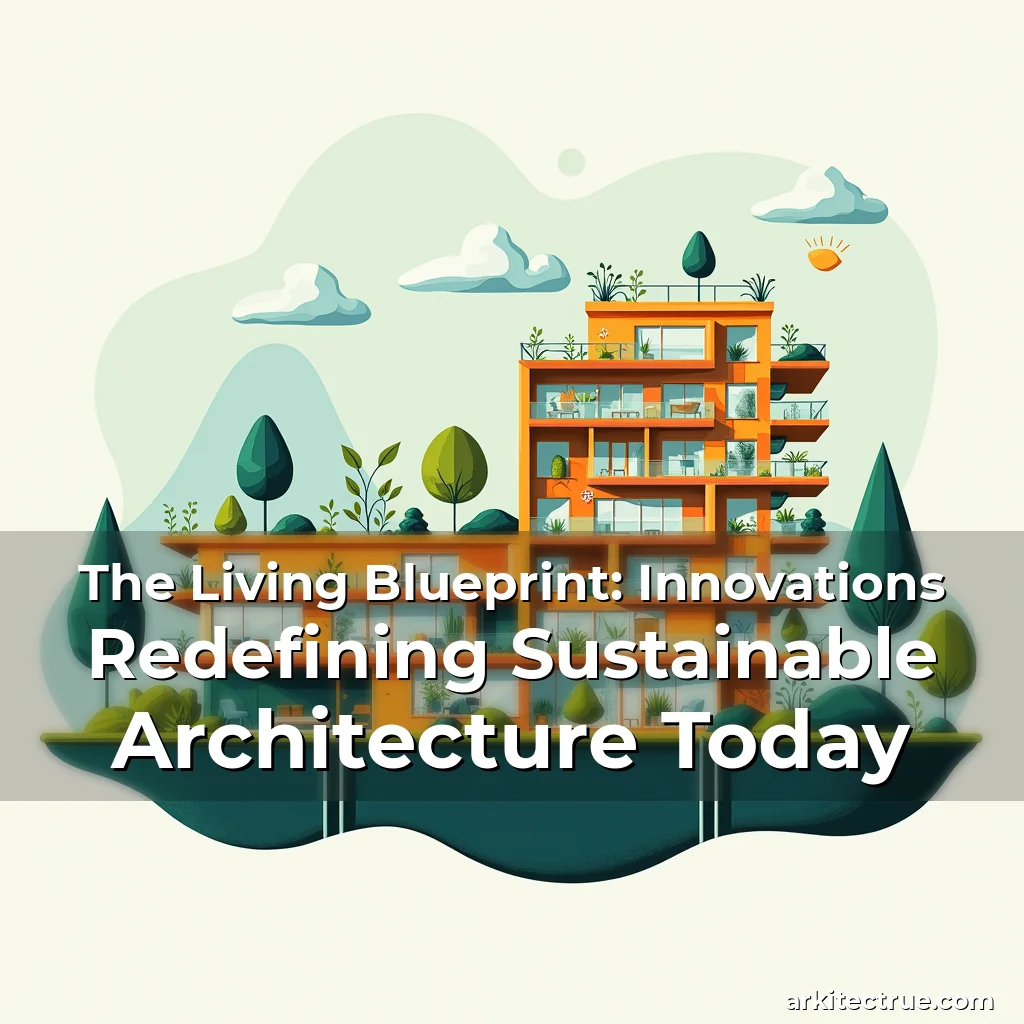
The Living Blueprint: Innovations Redefining Sustainable Architecture Today
Sustainable architecture is no longer an emerging trend but a transformative force reshaping how we design, construct, and interact with built environments. As climate change accelerates and urban populations surge, architects are pioneering solutions that harmonize human needs with ecological integrity.
This evolution reflects a paradigm shift from traditional construction practices toward regenerative systems that heal rather than harm the planet. The integration of cutting-edge materials, energy-efficient technologies, and biophilic design principles is redefining architectural possibilities across continents and cultures.
Redefining Foundations: Materials Revolutionizing Modern Design
The foundation of any structure begins with its materials, and sustainable architecture has sparked a seismic shift in what these foundations can be. Traditional concrete, responsible for nearly 8% of global CO₂ emissions, is being challenged by innovative alternatives that reduce environmental impact without compromising structural integrity.
Engineered timber, such as cross-laminated wood (CLT), offers a compelling alternative with carbon sequestration capabilities. This material not only stores up to 900 kg of CO₂ per cubic meter during growth but also provides exceptional strength comparable to reinforced concrete.
- Bamboo composites: These rapidly renewable resources offer tensile strengths exceeding steel while maintaining lightweight properties ideal for seismic-prone regions.
- Mycelium-based insulation: Derived from fungal networks, this organic material provides natural fire resistance and superior thermal performance at a fraction of conventional insulation costs.
Advancements in recycled aggregate concrete have further reduced embodied energy by incorporating crushed glass, plastic waste, and industrial byproducts into new building mixes. These innovations demonstrate how foundational elements can become active participants in sustainability efforts.
Smart material applications extend beyond mere substitution; they introduce adaptive behaviors that respond dynamically to environmental conditions. Shape-memory alloys embedded within structures allow buildings to self-adjust temperature regulation through phase-change responses triggered by ambient heat fluctuations.
Energy Efficiency Through Intelligent Systems Integration
The heart of sustainable architecture lies in its ability to minimize energy consumption while maximizing occupant comfort. Smart building management systems now integrate real-time data analysis with automated control mechanisms to optimize resource usage across entire complexes.
Building automation systems (BAS) leverage IoT sensors to monitor occupancy patterns, adjusting lighting, HVAC settings, and window shades accordingly. In commercial high-rises, these systems have demonstrated up to 30% reductions in electricity demand through predictive load balancing algorithms.
Data-Driven Optimization Strategies
Machine learning models trained on historical weather data and energy consumption records enable dynamic optimization strategies. For instance, AI-driven shading systems calculate sun angles precisely to maximize daylight penetration while minimizing solar gain, reducing reliance on artificial cooling by up to 40% in tropical climates.
In residential applications, smart thermostats equipped with geolocation features adjust indoor temperatures based on outdoor forecasts and user behavior patterns. These devices learn occupants’ preferences over time, creating personalized comfort zones that significantly cut heating/cooling expenditures.
Energy recovery ventilation systems represent another breakthrough in intelligent design. By capturing exhaust air heat and transferring it to incoming fresh air streams, these systems maintain optimal indoor air quality while achieving energy savings equivalent to replacing 6-8 standard light bulbs continuously.
Biomimetic Design Principles in Contemporary Construction
Nature has long served as an inspiration for architectural innovation, particularly in the realm of biomimetics where biological processes inform structural solutions. Termite mound-inspired ventilation systems exemplify this approach, channeling airflow through strategically placed chimneys to regulate internal temperatures organically.
The Eastgate Centre in Zimbabwe, modeled after termite mounds, maintains comfortable indoor conditions using passive cooling techniques that consume 90% less energy than conventional air conditioning systems. This principle demonstrates how ancient wisdom combined with modern engineering can yield extraordinary results.
Self-repairing concrete, inspired by bone regeneration processes, incorporates bacteria that activate upon water exposure to fill cracks automatically. This bioengineered solution extends infrastructure lifespan while reducing maintenance costs associated with traditional repair methods.
Photosynthetic facades featuring algae-filled panels generate oxygen while simultaneously producing biomass that can be harvested for biofuel production. These living walls transform building exteriors into functional ecosystems that contribute positively to both air quality and renewable energy generation.
Urban Resilience Through Adaptive Architectural Frameworks
Facing increasing threats from extreme weather events and rising sea levels, cities must adopt architectural frameworks capable of adapting to changing climatic realities. Floating neighborhoods designed to rise with tidal movements provide viable solutions for coastal communities vulnerable to flooding.
The Netherlands’ amphibious housing projects demonstrate successful implementation of buoyant platforms anchored to flexible mooring systems. These adaptable structures remain stable even under fluctuating water levels while preserving essential services like electricity and internet connectivity.
Modular construction methodologies facilitate rapid deployment of disaster-resistant shelters following natural disasters. Prefabricated units assembled off-site ensure quick reconstruction timelines, critical when dealing with urgent humanitarian crises requiring immediate shelter solutions.
Green roofs and vertical gardens serve dual purposes by mitigating urban heat island effects while providing natural stormwater retention systems. Studies show that extensive green roof coverage can reduce runoff volumes by up to 75%, easing pressure on aging drainage infrastructures.
Circular Economy Models in Building Lifecycle Management
A fundamental tenet of sustainable architecture involves rethinking the entire lifecycle of buildings—from initial conception to eventual deconstruction. Circular economy principles advocate for designing out waste entirely by ensuring all components can be disassembled, reused, or repurposed at end-of-life stages.
Demountable wall systems utilizing interlocking panels allow interiors to be completely renovated without demolishing existing structures. This adaptability reduces construction waste by approximately 60% compared to conventional renovation approaches that require removing entire wall assemblies.
Material passports—digital inventories detailing every component’s origin, composition, and recyclability—are becoming standard practice in forward-thinking developments. These documents empower future owners to dismantle buildings systematically, recovering valuable resources instead of sending them to landfills.
Reclaimed material markets are expanding rapidly, with specialized platforms connecting surplus building supplies from decommissioned projects to new development initiatives. This circular flow minimizes raw material extraction demands while keeping construction costs competitive through secondary market pricing.
Community-Centric Approaches in Sustainable Development
True sustainability extends beyond technical specifications—it requires fostering social equity and enhancing community well-being. Participatory design processes engage local stakeholders in shaping their environments, resulting in spaces that better meet cultural and practical needs.
Co-housing models promote shared amenities and communal spaces that encourage social interaction while optimizing resource efficiency. These arrangements often include collective kitchens, tool libraries, and multi-generational living options that strengthen neighborhood bonds and reduce individual household burdens.
Public space revitalization projects prioritize walkability, bike accessibility, and pedestrian-friendly layouts. Cities implementing car-free districts report significant increases in public health metrics alongside decreased traffic congestion and lower greenhouse gas emissions from transportation sectors.
Workplace wellness programs integrated into office designs correlate strongly with improved employee productivity and satisfaction rates. Features like abundant natural light, noise-buffering partitions, and access to nature views have been shown to boost concentration levels and decrease absenteeism by up to 25%.
Global Case Studies Shaping Future Directions
Pioneering projects around the world illustrate the diverse pathways available in sustainable architecture. The Bosco Verticale in Milan showcases how densely populated urban areas can incorporate lush vegetation into high-rise structures while improving air quality and biodiversity.
Kiribati’s floating city concept addresses existential threats faced by low-lying island nations threatened by climate change. This ambitious project combines modular habitation units with desalination plants and aquaculture facilities, demonstrating resilience against rising sea levels and food scarcity challenges.
In Saudi Arabia, NEOM represents a bold vision for futuristic sustainable cities powered entirely by renewables. Its masterplan integrates autonomous transport networks, zero-waste policies, and advanced water recycling systems to create a model for next-generation urban living.
Japan’s Kashiwa-no-Ha Smart City employs AI-driven grid management to balance energy distribution between residential, commercial, and industrial sectors. Real-time monitoring enables instant adjustments to prevent blackouts while maintaining consistent power supply reliability across the network.
Overcoming Challenges in Implementation
Despite growing interest in sustainable architecture, several barriers hinder widespread adoption. High upfront costs for eco-friendly materials and technologies often deter developers seeking immediate financial returns from investment properties.
Regulatory frameworks lag behind technological advancements, creating uncertainty regarding compliance standards for novel construction methods. This gap discourages some architects from experimenting with groundbreaking solutions due to fears of legal repercussions.
Lack of standardized certification protocols complicates comparisons between different green building initiatives worldwide. Without universally accepted benchmarks, measuring true sustainability becomes subjective, undermining confidence in industry claims.
Education gaps persist among current professionals who may not fully grasp the implications of sustainable choices made during early design phases. Continued professional development remains crucial for equipping practitioners with knowledge necessary to implement effective green strategies.
Conclusion
Sustainable architecture stands at a pivotal moment in history, poised to redefine our relationship with the built environment. From revolutionary materials to intelligent systems, the field continues evolving with remarkable speed and creativity.
To advance this movement meaningfully, stakeholders must commit to continuous learning, embrace interdisciplinary collaboration, and advocate for supportive policy frameworks. Every choice made today shapes tomorrow’s architectural legacy—an opportunity worth pursuing with unwavering dedication.

news is a contributor at ArkitecTRUE. We are committed to providing well-researched, accurate, and valuable content to our readers.
You May Also Like