
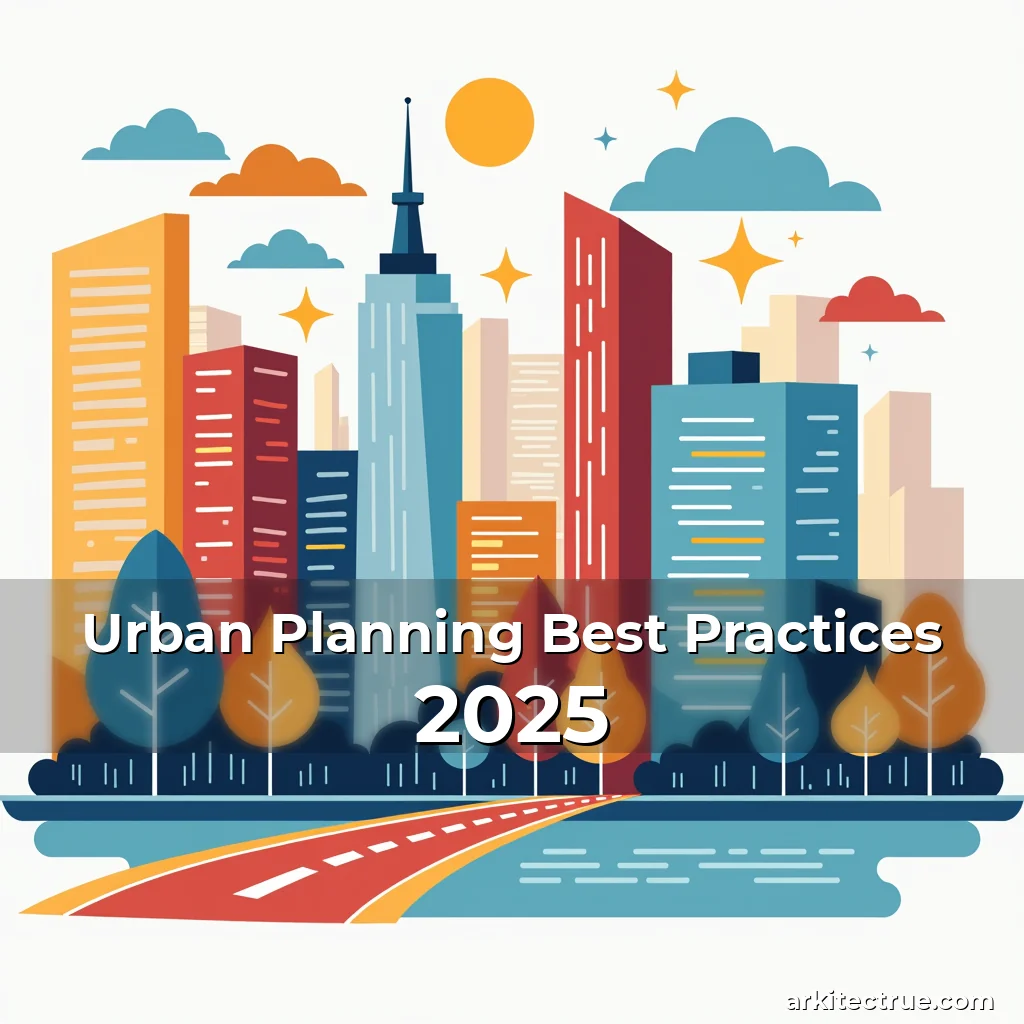
The Future of Sustainable Urban Design: A Blueprint for Tomorrow’s Cities
In an era defined by rapid urbanization and climate change, sustainable urban design has emerged as a cornerstone of modern architecture and city planning. As cities grow denser and populations swell, the need for innovative solutions that balance human needs with environmental stewardship becomes increasingly urgent.
This article explores the cutting-edge strategies shaping tomorrow’s cities, focusing on how architects, planners, and policymakers can collaborate to create livable, resilient communities. From green infrastructure to smart mobility systems, we’ll uncover the principles driving the next generation of urban development.
Reimagining Public Spaces for Community Engagement
Public spaces are the lifeblood of any vibrant city, serving as social hubs where people connect, relax, and engage with their surroundings. In contemporary urban planning, these areas are being redefined to foster stronger community ties while addressing pressing challenges like overcrowding and accessibility issues.
A key innovation lies in multi-functional design elements that serve diverse purposes throughout the day. Parks double as emergency evacuation zones during crises, while plazas host markets, cultural events, and pop-up art installations. This flexibility ensures public spaces remain relevant across different contexts and user groups.
Mixed-use developments have also transformed traditional zoning practices. By integrating residential units above commercial storefronts, developers reduce commuting distances and promote walkability. This vertical integration fosters spontaneous interactions between residents and businesses, enriching the urban fabric.
Data-driven approaches now guide the placement of amenities such as benches, shade structures, and interactive kiosks based on foot traffic patterns. Sensors embedded in sidewalks provide real-time information about crowd density, enabling dynamic adjustments to space utilization without compromising safety standards.
- Community Input: Engaging local stakeholders through participatory workshops ensures designs reflect authentic neighborhood needs rather than top-down assumptions.
- Tactile Surfaces: Incorporating textured paving materials improves navigational aid for visually impaired individuals while adding aesthetic value through varied surface patterns.
- Eco-Friendly Materials: Recycled concrete aggregates and permeable pavers mitigate stormwater runoff while reducing the heat island effect commonly associated with conventional asphalt surfaces.
These evolving paradigms demonstrate how thoughtful spatial organization can transform mundane thoroughfares into dynamic environments that enhance quality of life without sacrificing functionality or sustainability goals.
Smart Infrastructure Integration for Resilient Cities
As digital technologies reshape our daily lives, urban infrastructure is undergoing a parallel transformation towards smarter, data-informed systems. The integration of Internet of Things (IoT) devices enables real-time monitoring and adaptive responses to various urban challenges ranging from energy consumption to waste management.
Sensors networked within streetlights collect ambient light levels, adjusting brightness according to actual conditions instead of operating at fixed intensities. Similarly, intelligent water meters detect leaks instantly, minimizing resource wastage before significant damage occurs. These small but impactful changes contribute cumulatively to broader conservation efforts.
Transportation networks benefit immensely from predictive analytics capabilities. AI-powered algorithms analyze historical congestion patterns alongside current GPS data to optimize traffic signal timings dynamically. Commuters experience reduced delays while lower vehicle idling times translate directly into improved air quality metrics.
Digital twins—virtual replicas of physical assets—are revolutionizing maintenance protocols across municipal services. By simulating stress tests under varying scenarios, engineers identify potential failures proactively rather than reacting to emergencies after they occur. This preemptive approach saves both time and resources in long-term operations.
Energy-Efficient Building Systems
High-performance buildings represent another critical component of smart infrastructure ecosystems. Advanced insulation techniques combined with passive solar design principles significantly decrease reliance on artificial heating/cooling mechanisms. Double-glazed windows equipped with electrochromic glass automatically adjust transparency based on outdoor temperatures.
Rooftop photovoltaics integrated seamlessly into architectural facades generate clean electricity while providing thermal protection against excessive sun exposure. Smart thermostats learn occupants’ preferences over time, optimizing indoor climates efficiently without manual intervention from users.
Biomimetic engineering draws inspiration from nature to develop self-sustaining structural components. For instance, building envelopes inspired by termite mounds regulate internal temperatures naturally through strategic ventilation channels rather than depending solely on mechanical HVAC systems.
Collectively, these innovations illustrate how technology can be harnessed not merely for convenience but as a tool toward achieving greater ecological harmony within built environments.
Green Corridors and Biodiversity Conservation
Cities are no longer viewed as isolated entities disconnected from natural ecosystems; instead, they’re seen as integral parts requiring deliberate preservation efforts. Green corridors function as vital connectors between fragmented habitats, allowing wildlife safe passage while offering recreational opportunities for humans simultaneously.
Linear parks following former railway lines or abandoned industrial sites exemplify repurposing initiatives that restore ecological functions lost due to past land use decisions. Native vegetation planted along these pathways supports pollinator species essential for maintaining food security amidst changing climatic conditions.
Permeable pavements incorporated into pedestrian paths facilitate groundwater recharge processes crucial for mitigating urban flooding risks exacerbated by impervious surface expansion. Additionally, rain gardens strategically placed near intersections absorb excess stormwater runoff naturally rather than relying exclusively on drainage infrastructure.
Vertical greening projects extend biodiversity benefits upwards onto building façades using modular planting systems that require minimal soil volume yet support substantial plant biomass growth. These living walls filter airborne pollutants effectively while insulating structures against extreme weather fluctuations.
Equitable Access to Essential Services
Ensuring equitable access remains paramount in creating inclusive urban landscapes. Universal design principles prioritize usability across age ranges and ability levels by eliminating physical barriers inherent in outdated layouts. Ramps replacing stairs where feasible, wider doorways accommodating mobility aids, and tactile paving guiding visually impaired pedestrians all contribute to barrier-free navigation experiences.
Prioritizing affordability in housing policies prevents displacement pressures threatening historically underserved neighborhoods. Mixed-income developments with rent-controlled units maintain socioeconomic diversity within communities rather than segregating residents based purely on financial status.
Public transportation networks must be expanded beyond downtown cores to reach peripheral districts often neglected in initial planning phases. Express bus routes connecting suburbs with employment centers ensure workforce participation regardless of geographic location constraints.
Food deserts—the absence of fresh produce availability in low-income areas—demand targeted interventions through farmers’ market incentives and urban agriculture programs promoting home gardening among residents lacking access to grocery stores carrying nutritious options.
Healthcare facilities should be distributed evenly throughout metropolitan regions so medical care isn’t concentrated only in affluent enclaves. Mobile clinics serving mobile populations complement stationary hospitals dealing primarily with non-emergency cases managed remotely when possible via telemedicine platforms.
Education institutions require comparable distributional equity measures ensuring students receive adequate learning resources irrespective of zip code demographics. Digital literacy campaigns paired with subsidized internet plans help bridge technological divides limiting educational attainment possibilities otherwise restricted by economic disparities.
Climate Adaptation Strategies in Coastal Cities
Coastal megacities face existential threats from rising sea levels necessitating proactive adaptation frameworks tailored specifically to marine environments. Elevating critical infrastructure above projected flood levels forms one foundational measure preventing catastrophic damage during extreme weather events.
Living shorelines composed of oyster reefs and mangrove forests act as natural buffers absorbing wave energy more effectively than rigid seawalls constructed entirely from concrete blocks. These biologically active defenses also sequester carbon dioxide contributing positively toward global emission reduction targets.
Floating architectures designed to rise with tides offer viable alternatives for waterfront properties vulnerable to permanent inundation. Modular homes assembled from buoyant materials allow relocation as needed rather than necessitating complete reconstruction post-disaster occurrences.
Desalination plants utilizing renewable energy sources supply potable water sustainably even amid freshwater scarcity caused by prolonged drought cycles affecting coastal aquifers. Integrated wastewater treatment systems recycle greywater for irrigation purposes conserving precious drinking water reserves.
Early warning systems employing satellite imagery track shifting coastlines continuously updating risk assessments informing timely evacuations whenever necessary precautions become warranted ahead of impending storms.
Walkable Neighborhoods and Reduced Car Dependency
Designing walkable neighborhoods fundamentally reshapes commuter behavior away from private vehicles toward healthier modes of transport involving walking or cycling. Compact development models concentrating amenities within close proximity minimize travel distances required to fulfill daily routines.
Continuous pedestrian pathways lined with tree canopies provide shaded relief during hot summer months encouraging outdoor activity despite high temperatures typically discouraging extensive walking excursions. Bike lanes segregated from vehicular traffic enhance safety perceptions prompting increased bicycle usage rates among residents.
Transit-oriented development clusters around rail stations integrate housing, retail, offices, and leisure activities within immediate vicinity ensuring convenient access without needing personal automobiles for most errands. This compact form reduces sprawl tendencies preserving agricultural lands outside urban boundaries.
Wayfinding signage incorporating multilingual text caters to multicultural populations navigating unfamiliar territories comfortably. Interactive maps available digitally assist those less familiar with traditional landmark-based orientation methods prevalent among new migrants entering foreign cities.
Street vendors permitted to operate in designated zones add vibrancy to sidewalk economies fostering entrepreneurial spirit while providing affordable meal options reinforcing sense of place identity distinct from chain restaurant monopolies dominating commercial strips.
Resilience Through Decentralized Energy Networks
Decentralized power grids empower communities by distributing electricity generation closer to end-users rather than relying solely on centralized utility providers susceptible to single points of failure during disasters. Microgrids capable of operating independently when main grid connections falter enhance overall system reliability.
Solar farms sited atop parking garages maximize underutilized rooftop space generating revenue streams through lease agreements with commercial tenants occupying ground-level retail spaces below. Wind turbines positioned along riverfronts capitalize on consistent airflow patterns producing steady baseload electrical output complementary to intermittent solar production schedules.
Community-owned cooperatives managing renewable energy installations ensure transparent decision-making processes regarding capital investment allocations and profit distributions benefiting local stakeholders directly impacted by project implementations.
Smart inverters regulate voltage stability autonomously responding instantaneously to fluctuating demand loads without human oversight required traditionally maintained by grid operators monitoring complex distribution networks manually.
Battery storage arrays store surplus energy produced during peak sunlight hours releasing stored capacity later when generation falls below consumption thresholds maintaining uninterrupted service delivery periods even amid temporary disruptions elsewhere in larger regional power systems.
Conclusion
The evolution of urban planning demands continuous innovation aligned with emerging societal needs and environmental imperatives. By prioritizing sustainability, inclusivity, and adaptability, future-ready cities will thrive amidst mounting global challenges.
From rethinking public spaces to implementing decentralized energy solutions, every element discussed here contributes meaningfully toward constructing environments where people live well together harmoniously with nature. Let us embrace these transformative ideas collectively shaping better places for generations to come.

news is a contributor at ArkitecTRUE. We are committed to providing well-researched, accurate, and valuable content to our readers.
You May Also Like



Related Posts
Urban Planning for Small Spaces
February 22, 2026

How to Choose Urban Planning: Expert Guide
February 19, 2026
The Future Cities Blueprint: Innovations Shaping Urban Planning Today
September 27, 2025