
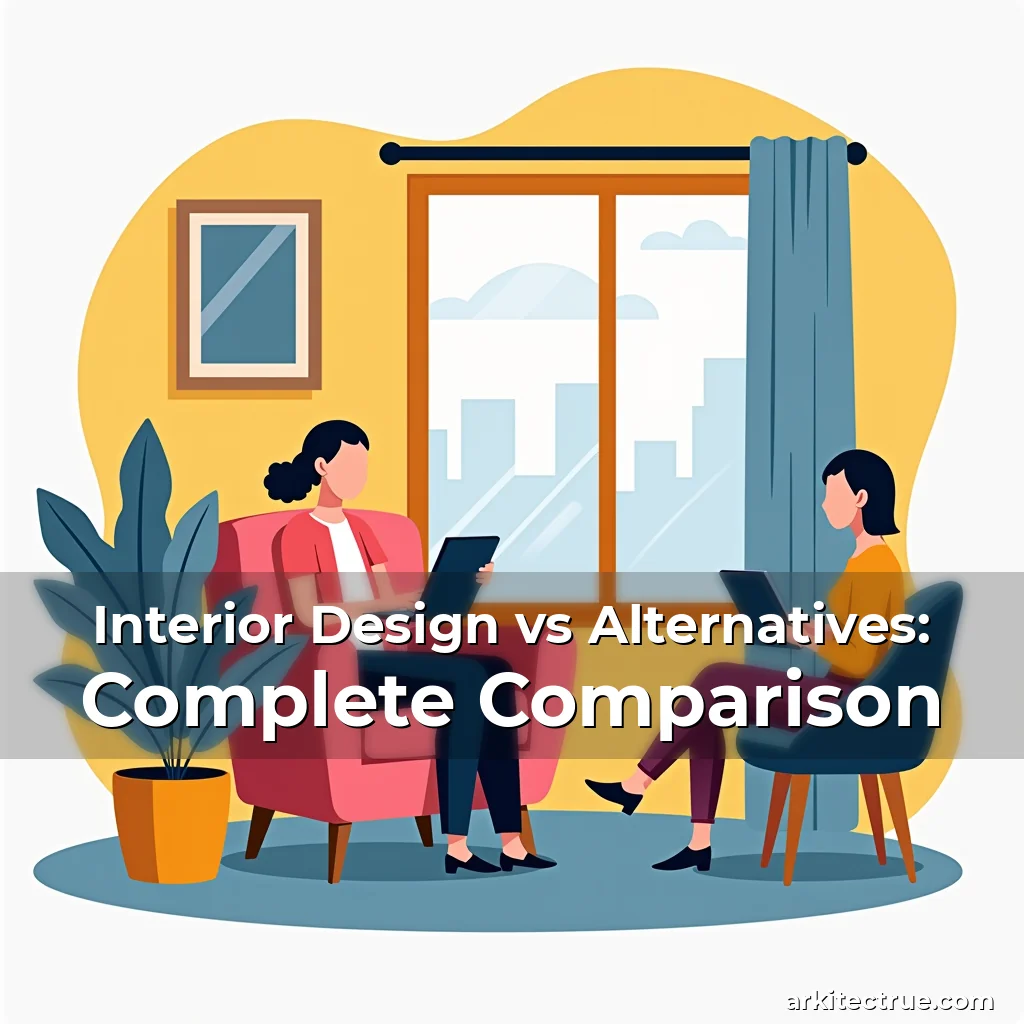
Interior Design vs Alternatives: Complete Comparison
The world of interior design offers endless possibilities for transforming spaces, but how does it compare to other approaches? From DIY solutions to minimalist aesthetics and smart home technologies, understanding these differences helps homeowners make informed decisions.
In today’s fast-paced environment, choosing between professional interior design services and alternative methods requires careful consideration of cost, time investment, and long-term benefits. This guide explores various options while highlighting what makes interior design uniquely effective.
The Foundations of Interior Design
Interior design goes beyond mere decoration; it involves creating functional and aesthetically pleasing environments through thoughtful planning and execution. A well-designed space considers elements such as lighting, color schemes, furniture arrangement, and spatial flow.
This discipline blends creativity with practicality by addressing both visual appeal and usability factors. Designers often use principles from architecture and psychology to enhance user experience within any given room or building.
One key aspect is understanding client needs before implementing changes. Professional designers conduct thorough consultations to ensure their vision aligns with individual preferences and lifestyle requirements.
They also take into account structural limitations during initial assessments so potential challenges can be addressed early on rather than later stages when modifications become costly or impractical.
Differences Between Interior Design and Home Staging
Home staging focuses specifically on preparing properties for sale by making them attractive to potential buyers. While similar at first glance, there are distinct differences between these two fields.
Interior designers work primarily for clients who want personalized living spaces tailored around their lifestyles whereas staged homes aim to create an appealing image regardless of personal taste.
A major difference lies in objectives – staging aims to maximize property value quickly without permanent alterations, while interior design creates lasting impressions based on owner preferences over time.
Staged rooms typically feature neutral colors and minimalistic furnishings designed to evoke positive emotions among viewers instead of reflecting occupant personality traits.
- Objective: Staging seeks immediate marketability, whereas design emphasizes long-term satisfaction.
- Approach: Stagers prioritize universal appeal using temporary setups, while designers incorporate custom features aligned with client identities.
- Timeframe: Staging projects usually last weeks compared to months-long interior redesign efforts requiring extensive coordination.
DIY Solutions Versus Professional Expertise
Many homeowners opt for do-it-yourself approaches due to budget constraints or desire for control over final outcomes. However, this choice comes with its own set of advantages and disadvantages.
Advantages include lower costs since individuals avoid hiring professionals plus greater flexibility regarding material selections and layout choices available exclusively through self-execution.
Disadvantages involve lack of specialized knowledge which might lead to poor decision-making especially concerning electrical systems, plumbing arrangements, or load-bearing wall modifications.
Risks associated with DIY projects range from minor issues like mismatched paint tones up to severe consequences involving safety hazards resulting from incorrect installations.
Professional expertise brings numerous benefits including access to industry-standard tools used for precise measurements ensuring accurate results every single time they perform tasks related to construction works.
Experts possess training enabling them handle complex situations effectively reducing chances errors occurring significantly impacting overall project success rates positively influencing completion timelines efficiently managing resources optimally avoiding unnecessary delays caused otherwise unanticipated complications arising unexpectedly during execution phases.
Eco-Friendly Design Options Compared To Traditional Methods
Sustainable practices have gained popularity recently prompting many people consider eco-conscious alternatives traditional interior design techniques offer less environmental impact.
Eco-friendly designs emphasize materials sourced responsibly manufactured under ethical conditions contributing reduced carbon footprint overall promoting healthier indoor air quality enhancing occupants’ wellbeing simultaneously benefiting planet Earth itself.
Traditional methods often rely heavily synthetic substances containing harmful chemicals potentially affecting human health negatively altering natural ecosystems detrimentally affecting wildlife habitats threatening biodiversity levels globally.
Comparisons reveal sustainable interiors not only better for environment but also provide long term savings energy bills thanks improved insulation characteristics found biodegradable products offering durability equal conventional counterparts despite initial higher prices sometimes perceived deterrents adopting green initiatives initially.
Statistics Supporting Eco-Conscious Choices
According to recent studies conducted global institutions specializing sustainability research show significant reductions energy consumption buildings incorporating passive solar heating systems properly insulated walls utilizing natural light sources effectively decreasing reliance artificial illumination thereby lowering electricity usage substantially across different regions worldwide.
Data indicates households employing recycled materials report approximately thirty percent decrease waste generation annually compared those relying virgin resources demonstrating clear advantage opting environmentally friendly alternatives long run.
Moreover surveys indicate growing consumer preference towards certified green certifications verifying authenticity claims made companies producing sustainable goods increasing demand sector continuously expanding rapidly responding heightened awareness ecological responsibility importance maintaining balance nature civilization progress together harmoniously.
These findings highlight necessity integrating eco-friendly strategies everyday life choices whether renovating existing structures constructing new ones prioritizing sustainability future generations inherit cleaner safer planet capable supporting diverse forms life thriving alongside technological advancements achieved societies modern times.
Minimalist Aesthetics In Contrast With Ornate Decorations
Minimalism has emerged prominent trend favoring simplicity elegance contrasted against elaborate ornamentation traditionally favored past centuries emphasizing intricate detailing grandeur.
While ornate styles showcase rich textures vibrant patterns intricate carvings serving decorative purposes minimalist approach highlights clean lines open spaces focusing functionality form achieving equilibrium between beauty utility.
Proponents argue minimalist interiors promote mental clarity reduce stress levels associated clutter encouraging mindfulness presence moment appreciating surroundings intentionally curated rather overwhelmed excessive stimuli competing attention spans limited cognitive capacities.
Critics suggest minimalism risks appearing sterile cold particularly cultures valuing historical traditions preferring warm welcoming atmospheres created through layered combinations fabrics artwork ceramics passed down families carrying sentimental significance intrinsic value beyond aesthetic qualities alone.
- Purpose: Minimalism fosters calmness through reduction excess whereas opulence celebrates abundance luxury.
- Maintenance: Simpler layouts require fewer cleaning routines simplifying upkeep processes managing household responsibilities efficiently allocating time energies appropriately elsewhere priorities.
- Cultural Context: Some communities prefer traditional motifs representing heritage identity others embrace contemporary trends symbolizing innovation forward-thinking mindsets shaping societal evolution dynamically.
Smart Homes And Technology Integration Within Interior Spaces
The integration of technology into residential settings continues evolving rapidly redefining expectations regarding comfort convenience efficiency experienced daily lives.
Smart home devices now seamlessly blend into décor functioning invisible manner allowing users enjoy advanced capabilities without compromising style integrity maintained throughout entire renovation process.
From voice-controlled lighting systems automated climate regulation intelligent security networks connected appliances everything contributes enhanced livability experiences personalized according individual habits schedules preferences effortlessly adapting changing circumstances real-time adjustments optimized performance consistently delivered reliably whenever required anywhere anytime.
Designers must carefully plan placements ensure gadgets complement rather detract from intended ambiance preserving harmony between cutting-edge innovations classic elements cherished enduringly beautiful timeless creations admired appreciated universally regardless cultural backgrounds geographical locations varying tastes.
Challenges Of Implementing Smart Technologies
Despite promising potential smart home implementations face several obstacles hindering widespread adoption necessitating strategic planning meticulous execution guarantee successful outcomes.
Primary concerns relate compatibility between various brands models ensuring seamless communication interoperability essential smooth operation preventing frustrating malfunctions disrupting user experiences negatively impacting satisfaction levels derived newly integrated systems.
Additionally cybersecurity threats pose serious risk exposing private information vulnerable breaches hacking attempts exploiting weaknesses poorly secured networks susceptible intrusions unauthorized access leading privacy violations financial losses reputational damage depending severity incidents encountered.
To mitigate these issues professionals recommend investing high-quality infrastructure establishing robust firewalls regularly updating software protocols monitoring activity logs identifying suspicious behaviors promptly taking corrective measures minimizing exposure dangers present digital landscape increasingly interconnected dependent upon reliable secure connections facilitating uninterrupted interactions between humans machines alike.
Cost Analysis: Budgeting For Different Approaches
Understanding financial implications involved each method crucial determining most suitable option considering personal circumstances goals aspirations.
DIY renovations generally prove least expensive since labor costs eliminated entirely however may incur unexpected expenses arising unforeseen problems discovered midway projects requiring additional expenditures resolving complications timely fashion avoiding further escalation damages incurred delaying completion deadlines indefinitely.
Professional interior design services command premium pricing reflective expertise skills demanded executing complex tasks accurately efficiently meeting stringent standards expected clientele seeking exceptional results warranting substantial investments upfront expecting returns realized appreciation increased property values enhanced enjoyment residing transformed environments conducive optimal living conditions.
Alternatively eco-friendly solutions sometimes require higher initial outlay acquiring sustainable materials certifying compliance regulations nonetheless yield considerable savings long term decreased maintenance requirements lowered utility expenses contributing net positive impact wallets environmental footprints simultaneously.
When comparing costs across alternatives it becomes evident selecting appropriate strategy depends multifaceted considerations weighing pros cons thoroughly evaluating trade-offs inherent every choice ultimately deciding path best aligns desires expectations budgets allocated pursuing desired transformations successfully realizing visions imagined envisioned inhabiting spaces ideally suited fulfilling unique needs requirements permanently.
Long-Term Value Considerations
Assessing longevity effectiveness different approaches reveals critical factor influencing decision-making processes particularly when contemplating significant financial commitments.
Investments made professional interior design carry potential appreciate over years attracting higher resale values compared hastily executed quick fixes lacking cohesive planning coherent execution resulting deterioration aesthetics functionality sooner rather than later.
Eco-friendly upgrades although requiring upfront capital generate measurable savings recurring expenses utilities repairs replacements proving wise investments contributing toward sustainable futures financially responsible actions fostering environmental stewardship concurrently.
On contrary trendy fads dictated shifting fashions tend fade quicker demanding frequent updates refreshes keeping pace ever-changing demands marketplaces consuming resources unnecessarily replenishing inventory perpetually chasing transient ideals devoid enduring relevance stability sought after durable solutions.
Therefore prudent approach entails combining proven methodologies tested time leveraging current innovations wisely balancing tradition novelty ensuring spaces remain relevant adaptable evolving world simultaneously honoring core principles established disciplines guiding creation nurturing environments where inhabitants thrive flourish harmoniously coexisting amidst dynamic landscapes continuously reshaped technological advances artistic expressions emerging continuously challenging boundaries redefining norms defining new paradigms excellence craftsmanship innovation sustainability interwoven seamlessly together forming holistic frameworks empowering architects designers craftsmen artisans alike crafting masterpieces destined stand test time inspire admiration generations ahead.
Choosing The Right Approach For Your Needs
Selecting ideal method hinges deeply personal preferences specific requirements particular situation facing determining whether pursue hands-on involvement expert assistance blending both strategically.
Those prioritizing affordability flexibility may lean towards DIY endeavors provided sufficient knowledge skillset exists necessary tools readily accessible facilitating project completion satisfactorily without exceeding allocated resources excessively straining patience endurance encountering roadblocks stalling progression.
Conversely individuals desiring guaranteed results flawless execution likely benefit immensely consulting qualified professionals equipped requisite qualifications experience navigating complexities confidently delivering superior outcomes surpassing expectations exceeded anticipated benchmarks consistently maintained consistently.
For those committed sustainability conscious consumers aiming minimize ecological impact embracing green initiatives represents sensible direction aligning ethics values pursuits simultaneously enjoying tangible rewards manifested through reduced operational costs prolonged asset lifespans enhanced quality living conditions cultivated thoughtfully deliberately purposefully.
No single solution universally applicable every scenario therefore advisable conducting thorough evaluations researching extensively gathering information necessary making educated decisions aligned with aspirations objectives ensuring chosen route maximizes benefits minimizes drawbacks yielding satisfying conclusions enriching journeys undertaken exploring myriad possibilities available attaining desired destinations comfortably securely joyfully.
Conclusion
Interior design stands apart from alternatives through its ability to merge function with artistry creating spaces that reflect individual personalities while optimizing usability and comfort.
By examining contrasts with home staging, DIY projects, eco-friendly choices, minimalist aesthetics, smart technology integrations, and cost considerations, we see why professional interior design remains a preferred option for those seeking lasting transformation.
Whether you’re looking for a complete overhaul or subtle enhancements, understanding these distinctions empowers you to choose the right approach that aligns with your goals, budget, and lifestyle preferences.
Ultimately, the goal of any interior design endeavor is to craft environments that not only look great but also feel truly lived-in and meaningful — a testament to the power of thoughtful design in our daily lives.
“`
Interior Design vs Alternatives: Complete Comparison
The world of interior design offers endless possibilities for transforming spaces, but how does it compare to other approaches? From DIY solutions to minimalist aesthetics and smart home technologies, understanding these differences helps homeowners make informed decisions.
In today’s fast-paced environment, choosing between professional interior design services and alternative methods requires careful consideration of cost, time investment, and long-term benefits. This guide explores various options while highlighting what makes interior design uniquely effective.
The Foundations of Interior Design
Interior design goes beyond mere decoration; it involves creating functional and aesthetically pleasing environments through thoughtful planning and execution. A well-designed space considers elements such as lighting, color schemes, furniture arrangement, and spatial flow.
This discipline blends creativity with practicality by addressing both visual appeal and usability factors. Designers often use principles from architecture and psychology to enhance user experience within any given room or building.
One key aspect is understanding client needs before implementing changes. Professional designers conduct thorough consultations to ensure their vision aligns with individual preferences and lifestyle requirements.
They also take into account structural limitations during initial assessments so potential challenges can be addressed early on rather than later stages when modifications become costly or impractical.
Differences Between Interior Design and Home Staging
Home staging focuses specifically on preparing properties for sale by making them attractive to potential buyers. While similar at first glance, there are distinct differences between these two fields.
Interior designers work primarily for clients who want personalized living spaces tailored around their lifestyles whereas staged homes aim to create an appealing image regardless of personal taste.
A major difference lies in objectives – staging aims to maximize property value quickly without permanent alterations, while interior design creates lasting impressions based on owner preferences over time.
Staged rooms typically feature neutral colors and minimalistic furnishings designed to evoke positive emotions among viewers instead of reflecting occupant personality traits.
- Objective: Staging seeks immediate marketability, whereas design emphasizes long-term satisfaction.
- Approach: Stagers prioritize universal appeal using temporary setups, while designers incorporate custom features aligned with client identities.
- Timeframe: Staging projects usually last weeks compared to months-long interior redesign efforts requiring extensive coordination.
DIY Solutions Versus Professional Expertise
Many homeowners opt for do-it-yourself approaches due to budget constraints or desire for control over final outcomes. However, this choice comes with its own set of advantages and disadvantages.
Advantages include lower costs since individuals avoid hiring professionals plus greater flexibility regarding material selections and layout choices available exclusively through self-execution.
Disadvantages involve lack of specialized knowledge which might lead to poor decision-making especially concerning electrical systems, plumbing arrangements, or load-bearing wall modifications.
Risks associated with DIY projects range from minor issues like mismatched paint tones up to severe consequences involving safety hazards resulting from incorrect installations.
Professional expertise brings numerous benefits including access to industry-standard tools used for precise measurements ensuring accurate results every single time they perform tasks related to construction works.
Experts possess training enabling them handle complex situations effectively reducing chances errors occurring significantly impacting overall project success rates positively influencing completion timelines efficiently managing resources optimally avoiding unnecessary delays caused otherwise unanticipated complications arising unexpectedly during execution phases.
Eco-Friendly Design Options Compared To Traditional Methods
Sustainable practices have gained popularity recently prompting many people consider eco-conscious alternatives traditional interior design techniques offer less environmental impact.
Eco-friendly designs emphasize materials sourced responsibly manufactured under ethical conditions contributing reduced carbon footprint overall promoting healthier indoor air quality enhancing occupants’ wellbeing simultaneously benefiting planet Earth itself.
Traditional methods often rely heavily synthetic substances containing harmful chemicals potentially affecting human health negatively altering natural ecosystems detrimentally affecting wildlife habitats threatening biodiversity levels globally.
Comparisons reveal sustainable interiors not only better for environment but also provide long term savings energy bills thanks improved insulation characteristics found biodegradable products offering durability equal conventional counterparts despite initial higher prices sometimes perceived deterrents adopting green initiatives initially.
Statistics Supporting Eco-Conscious Choices
According to recent studies conducted global institutions specializing sustainability research show significant reductions energy consumption buildings incorporating passive solar heating systems properly insulated walls utilizing natural light sources effectively decreasing reliance artificial illumination thereby lowering electricity usage substantially across different regions worldwide.
Data indicates households employing recycled materials report approximately thirty percent decrease waste generation annually compared those relying virgin resources demonstrating clear advantage opting environmentally friendly alternatives long run.
Moreover surveys indicate growing consumer preference towards certified green certifications verifying authenticity claims made companies producing sustainable goods increasing demand sector continuously expanding rapidly responding heightened awareness ecological responsibility importance maintaining balance nature civilization progress together harmoniously.
These findings highlight necessity integrating eco-friendly strategies everyday life choices whether renovating existing structures constructing new ones prioritizing sustainability future generations inherit cleaner safer planet capable supporting diverse forms life thriving alongside technological advancements achieved societies modern times.
Minimalist Aesthetics In Contrast With Ornate Decorations
Minimalism has emerged prominent trend favoring simplicity elegance contrasted against elaborate ornamentation traditionally favored past centuries emphasizing intricate detailing grandeur.
While ornate styles showcase rich textures vibrant patterns intricate carvings serving decorative purposes minimalist approach highlights clean lines open spaces focusing functionality form achieving equilibrium between beauty utility.
Proponents argue minimalist interiors promote mental clarity reduce stress levels associated clutter encouraging mindfulness presence moment appreciating surroundings intentionally curated rather overwhelmed excessive stimuli competing attention spans limited cognitive capacities.
Critics suggest minimalism risks appearing sterile cold particularly cultures valuing historical traditions preferring warm welcoming atmospheres created through layered combinations fabrics artwork ceramics passed down families carrying sentimental significance intrinsic value beyond aesthetic qualities alone.
- Purpose: Minimalism fosters calmness through reduction excess whereas opulence celebrates abundance luxury.
- Maintenance: Simpler layouts require fewer cleaning routines simplifying upkeep processes managing household responsibilities efficiently allocating time energies appropriately elsewhere priorities.
- Cultural Context: Some communities prefer traditional motifs representing heritage identity others embrace contemporary trends symbolizing innovation forward-thinking mindsets shaping societal evolution dynamically.
Smart Homes And Technology Integration Within Interior Spaces
The integration of technology into residential settings continues evolving rapidly redefining expectations regarding comfort convenience efficiency experienced daily lives.
Smart home devices now seamlessly blend into décor functioning invisible manner allowing users enjoy advanced capabilities without compromising style integrity maintained throughout entire renovation process.
From voice-controlled lighting systems automated climate regulation intelligent security networks connected appliances everything contributes enhanced livability experiences personalized according individual habits schedules preferences effortlessly adapting changing circumstances real-time adjustments optimized performance consistently delivered reliably whenever required anywhere anytime.
Designers must carefully plan placements ensure gadgets complement rather detract from intended ambiance preserving harmony between cutting-edge innovations classic elements cherished enduringly beautiful timeless creations admired appreciated universally regardless cultural backgrounds geographical locations varying tastes.
Challenges Of Implementing Smart Technologies
Despite promising potential smart home implementations face several obstacles hindering widespread adoption necessitating strategic planning meticulous execution guarantee successful outcomes.
Primary concerns relate compatibility between various brands models ensuring seamless communication interoperability essential smooth operation preventing frustrating malfunctions disrupting user experiences negatively impacting satisfaction levels derived newly integrated systems.
Additionally cybersecurity threats pose serious risk exposing private information vulnerable breaches hacking attempts exploiting weaknesses poorly secured networks susceptible intrusions unauthorized access leading privacy violations financial losses reputational damage depending severity incidents encountered.
To mitigate these issues professionals recommend investing high-quality infrastructure establishing robust firewalls regularly updating software protocols monitoring activity logs identifying suspicious behaviors promptly taking corrective measures minimizing exposure dangers present digital landscape increasingly interconnected dependent upon reliable secure connections facilitating uninterrupted interactions between humans machines alike.
Cost Analysis: Budgeting For Different Approaches
Understanding financial implications involved each method crucial determining most suitable option considering personal circumstances goals aspirations.
DIY renovations generally prove least expensive since labor costs eliminated entirely however may incur unexpected expenses arising unforeseen problems discovered midway projects requiring additional expenditures resolving complications timely fashion avoiding further escalation damages incurred delaying completion deadlines indefinitely.
Professional interior design services command premium pricing reflective expertise skills demanded executing complex tasks accurately efficiently meeting stringent standards expected clientele seeking exceptional results warranting substantial investments upfront expecting returns realized appreciation increased property values enhanced enjoyment residing transformed environments conducive optimal living conditions.
Alternatively eco-friendly solutions sometimes require higher initial outlay acquiring sustainable materials certifying compliance regulations nonetheless yield considerable savings long term decreased maintenance requirements lowered utility expenses contributing net positive impact wallets environmental footprints simultaneously.
When comparing costs across alternatives it becomes evident selecting appropriate strategy depends multifaceted considerations weighing pros cons thoroughly evaluating trade-offs inherent every choice ultimately deciding path best aligns desires expectations budgets allocated pursuing desired transformations successfully realizing visions imagined envisioned inhabiting spaces ideally suited fulfilling unique needs requirements permanently.
Long-Term Value Considerations
Assessing longevity effectiveness different approaches reveals critical factor influencing decision-making processes particularly when contemplating significant financial commitments.
Investments made professional interior design carry potential appreciate over years attracting higher resale values compared hastily executed quick fixes lacking cohesive planning coherent execution resulting deterioration aesthetics functionality sooner rather than later.
Eco-friendly upgrades although requiring upfront capital generate measurable savings recurring expenses utilities repairs replacements proving wise investments contributing toward sustainable futures financially responsible actions fostering environmental stewardship concurrently.
On contrary trendy fads dictated shifting fashions tend fade quicker demanding frequent updates refreshes keeping pace ever-changing demands marketplaces consuming resources unnecessarily replenishing inventory perpetually chasing transient ideals devoid enduring relevance stability sought after durable solutions.
Therefore prudent approach entails combining proven methodologies tested time leveraging current innovations wisely balancing tradition novelty ensuring spaces remain relevant adaptable evolving world simultaneously honoring core principles established disciplines guiding creation nurturing environments where inhabitants thrive flourish harmoniously coexisting amidst dynamic landscapes continuously reshaped technological advances artistic expressions emerging continuously challenging boundaries redefining norms defining new paradigms excellence craftsmanship innovation sustainability interwoven seamlessly together forming holistic frameworks empowering architects designers craftsmen artisans alike crafting masterpieces destined stand test time inspire admiration generations ahead.
Choosing The Right Approach For Your Needs
Selecting ideal method hinges deeply personal preferences specific requirements particular situation facing determining whether pursue hands-on involvement expert assistance blending both strategically.
Those prioritizing affordability flexibility may lean towards DIY endeavors provided sufficient knowledge skillset exists necessary tools readily accessible facilitating project completion satisfactorily without exceeding allocated resources excessively straining patience endurance encountering roadblocks stalling progression.
Conversely individuals desiring guaranteed results flawless execution likely benefit immensely consulting qualified professionals equipped requisite qualifications experience navigating complexities confidently delivering superior outcomes surpassing expectations exceeded anticipated benchmarks consistently maintained consistently.
For those committed sustainability conscious consumers aiming minimize ecological impact embracing green initiatives represents sensible direction aligning ethics values pursuits simultaneously enjoying tangible rewards manifested through reduced operational costs prolonged asset lifespans enhanced quality living conditions cultivated thoughtfully deliberately purposefully.
No single solution universally applicable every scenario therefore advisable conducting thorough evaluations researching extensively gathering information necessary making educated decisions aligned with aspirations objectives ensuring chosen route maximizes benefits minimizes drawbacks yielding satisfying conclusions enriching journeys undertaken exploring myriad possibilities available attaining desired destinations comfortably securely joyfully.
Conclusion
Interior design stands apart from alternatives through its ability to merge

news is a contributor at ArkitecTRUE. We are committed to providing well-researched, accurate, and valuable content to our readers.
You May Also Like

Related Posts

Architecture: A Synthesis of Art, Science, and Culture
April 21, 2025
Interior Design for Small Spaces
February 28, 2026
How to Choose Interior Design: Expert Guide
February 25, 2026