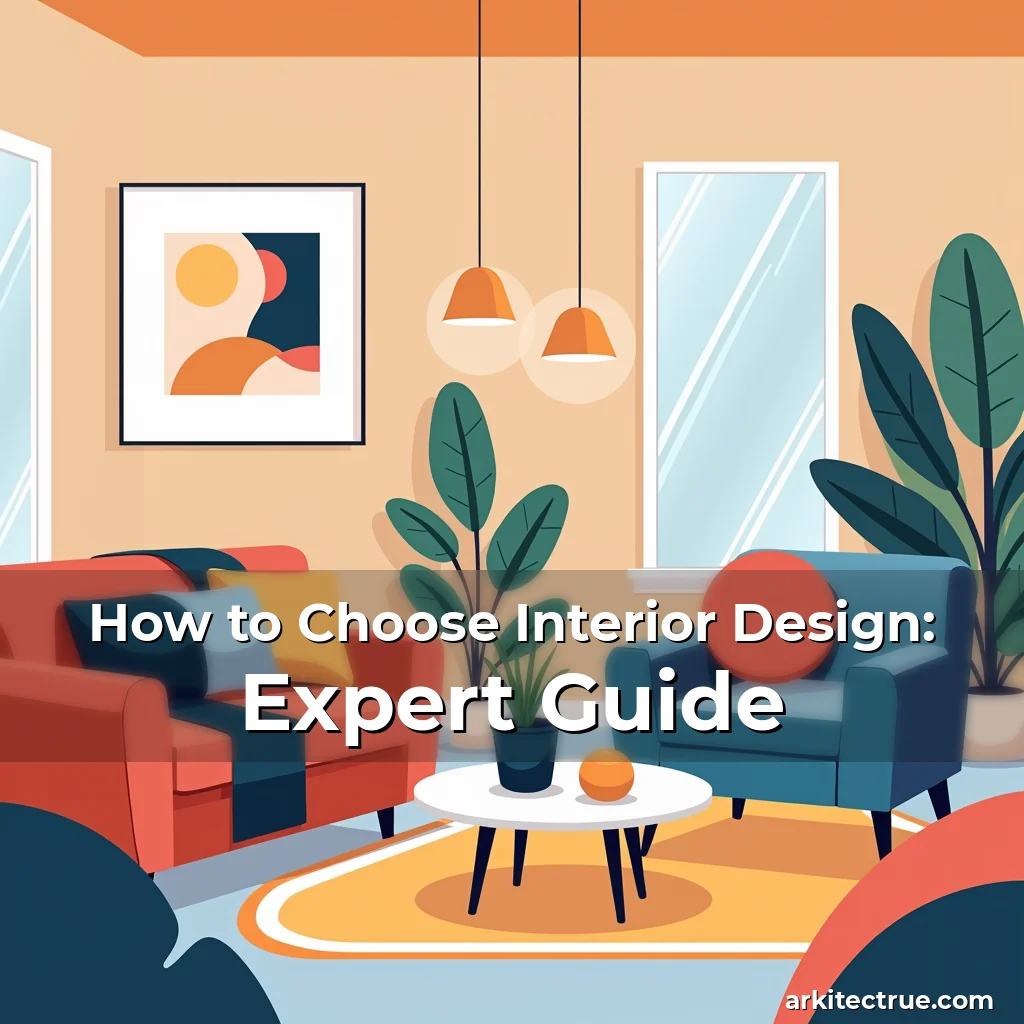
How to Choose Interior Design: Expert Guide
In today’s fast-paced world, interior design plays a pivotal role in shaping our living environments. It goes beyond mere aesthetics, influencing everything from mood to productivity. As architects and design enthusiasts recognize, thoughtful interior design transforms spaces into functional, inspiring havens.
The process of selecting an interior design style requires careful consideration of personal preferences, practicality, and current trends. Whether renovating a home or designing commercial spaces, aligning choices with individual lifestyles ensures lasting satisfaction and harmony in the environment.
The Fundamentals of Interior Design Principles
Interior design hinges on core principles that guide both professionals and amateurs alike. These foundational elements include balance, proportion, rhythm, emphasis, and unity. Understanding how they interact allows designers to create visually appealing and functionally efficient spaces.
Beyond visual appeal, interior design also considers ergonomics and spatial flow. Ensuring that furniture placement promotes movement and comfort is crucial, especially in high-traffic areas like kitchens or offices. Thoughtful arrangement prevents clutter and enhances usability.
- Balance: Achieving equilibrium in design involves distributing visual weight evenly across a space. Symmetrical layouts offer stability, while asymmetrical designs add dynamic interest.
- Rhythm: Repetition of patterns, colors, or textures creates a sense of motion and cohesion, guiding the eye smoothly through a room.
Understanding Personal Style and Preferences
Your personal taste significantly influences your interior design choices. Identifying whether you lean toward minimalist, eclectic, modern, or traditional styles helps narrow down options and maintain consistency throughout your space.
Taking stock of existing items in your home provides insight into preferred materials, color palettes, and decor themes. Mixing new pieces with cherished belongings fosters continuity and sentimental value within the design scheme.
Assessing Lifestyle Needs
Consideration of daily routines and household dynamics informs functionality-driven design decisions. For instance, families may prioritize open-plan layouts, while professionals might benefit from dedicated workspaces with minimal distractions.
Evaluating storage solutions is equally vital. Custom cabinetry, built-in shelves, and smart organization systems maximize available space without compromising aesthetic integrity. Tailoring storage to specific needs streamlines maintenance efforts over time.
Color Theory in Interior Design
Colors evoke emotions and set the tone for any interior space. Selecting hues that resonate personally while complementing architectural features ensures a harmonious atmosphere. Neutral tones often serve as versatile backdrops, allowing bolder accents to shine.
Maintaining a cohesive color palette involves choosing complementary shades rather than clashing combinations. Utilizing tools like color wheels aids in identifying analogous or triadic schemes that enhance visual appeal naturally.
Furniture Selection and Layout Strategies
Furniture serves dual purposes—it defines style and supports everyday activities. Choosing pieces that align with both form and function guarantees longevity and adaptability within evolving interiors.
Arranging furniture thoughtfully considers sightlines, traffic paths, and focal points. Creating conversation zones encourages social interaction, whereas strategic clustering minimizes feelings of overcrowding even in small spaces.
Maximizing Small Spaces Through Smart Furniture Choices
In compact living situations, multifunctional furniture becomes essential. Convertible sofas, extendable dining tables, and wall-mounted desks save square footage while meeting diverse usage demands efficiently.
Vertical space utilization further optimizes limited floor area. Installing floating shelves, hanging plants, and utilizing ceiling height adds dimensionality without increasing footprint. Such strategies transform cramped quarters into airy sanctuaries.
Lighting Design Considerations
Adequate lighting enhances visibility, safety, and ambiance. Layered approaches combining ambient, task, and accent lights cater to varied activities occurring simultaneously in different zones of a residence.
Choosing energy-efficient LED bulbs reduces electricity costs without sacrificing brightness levels. Dimmer switches provide flexibility in adjusting light intensity depending on mood or occasion, adding versatility to illumination setups.
Material Selection and Texture Play
Different surfaces contribute distinct sensory experiences to interiors. Blending smooth finishes with textured fabrics introduces depth and tactile variety, preventing monotonous visual repetition.
Sustainable material choices reflect contemporary values concerning environmental impact. Bamboo flooring, recycled glass countertops, and organic cotton upholstery exemplify eco-conscious alternatives that do not compromise quality or durability.
Integrating Technology Seamlessly
Modern homes increasingly incorporate technology seamlessly into their designs. Hidden wiring conduits allow for discreet installation of audiovisual equipment, preserving clean lines and uninterrupted aesthetics.
Smart home automation enables remote control of heating, cooling, security systems, and entertainment units via mobile devices. Integrating these conveniences without disrupting overall décor maintains elegance alongside innovation.
Cultural Influences on Interior Design Trends
Cultural heritage often inspires distinctive design motifs passed down generations. Incorporating regional art forms, textiles, and craftsmanship honors ancestral roots while infusing uniqueness into contemporary settings.
Globalization facilitates cross-cultural exchanges leading to hybridized styles merging disparate traditions creatively. However, authenticity remains paramount when representing cultural symbols respectfully within interior contexts.
The Role of Professional Interior Architects
While DIY projects thrive among hobbyists, complex renovations necessitate expert guidance. Certified professionals possess specialized knowledge regarding building codes, structural limitations, and advanced construction techniques unattainable independently.
Hiring experienced architects ensures compliance with local regulations governing permits, zoning laws, and accessibility standards. Their expertise mitigates risks associated with improper execution potentially causing costly repairs later on.
Future Directions in Sustainable Interior Design Practices
Eco-friendly practices continue gaining traction globally due heightened awareness around climate change effects. Embracing biophilic design principles reintroduces nature indoors through indoor gardens, natural wood elements, and ample daylight exposure enhancing well-being outcomes positively.
Innovative recycling methods repurpose old fixtures transforming waste into beautiful artifacts contributing towards circular economy models reducing landfill contributions dramatically. Pioneering initiatives demonstrate sustainability doesn’t mean sacrificing beauty or comfort levels inherently.
Conclusion
This exploration underscores how deliberate attention to fundamental design tenets, personalized expression, technological integration, and ecological consciousness culminate into transformative interior spaces worthy of admiration.
By applying learned insights systematically during project planning phases, individuals stand poised to craft extraordinary environments tailored perfectly reflecting their identities while embracing progressive ideals steering future development trajectories effectively.

news is a contributor at ArkitecTRUE. We are committed to providing well-researched, accurate, and valuable content to our readers.
You May Also Like


Related Posts
Interior Design on a Budget: Money-Saving Tips
February 26, 2026
Interior Design for Small Spaces
February 28, 2026