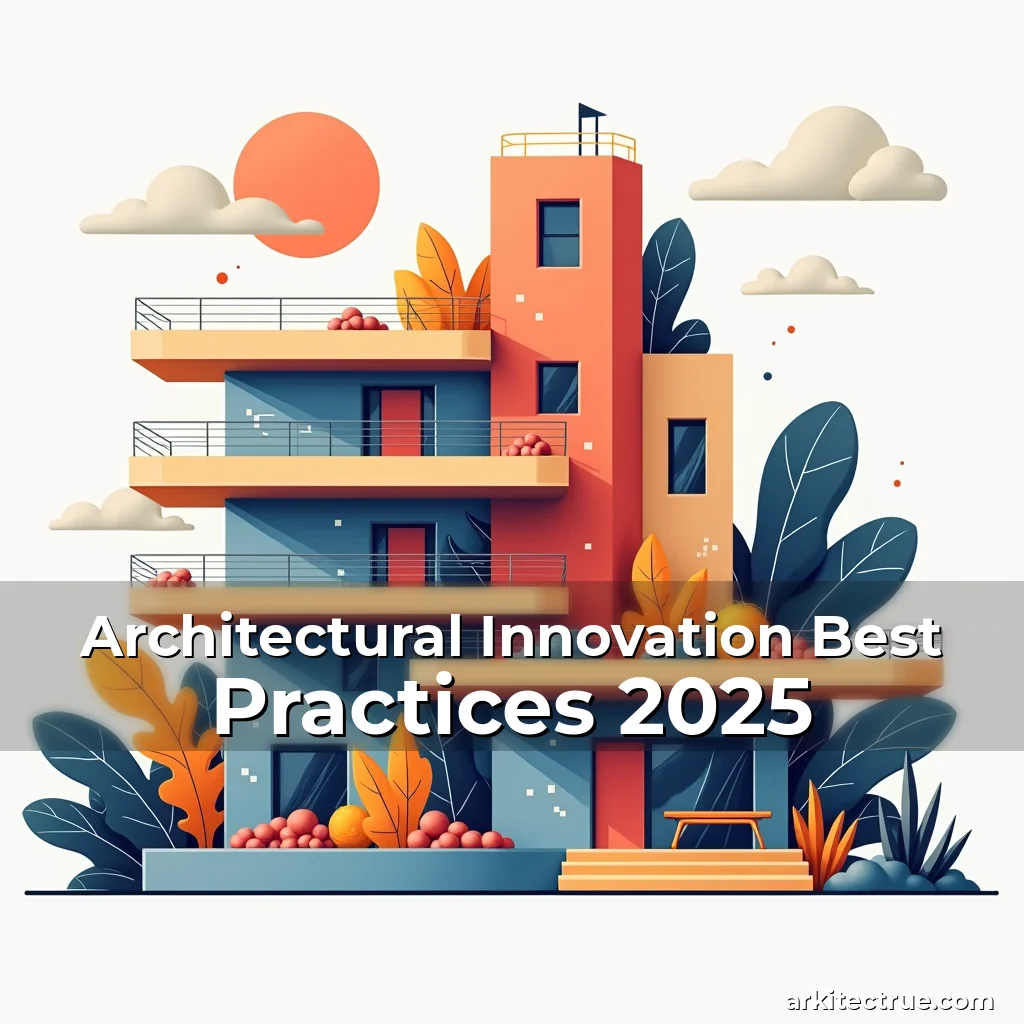
Architectural Innovation Best Practices 2025
In an era defined by rapid technological advancements and evolving environmental challenges, architectural innovation has become both a necessity and a catalyst for change. Architects today are not merely designing structures but redefining spaces that respond dynamically to human needs, ecological concerns, and digital integration.
The year 2025 marks a pivotal moment where sustainable practices meet cutting-edge technology, creating new paradigms in how buildings interact with their surroundings and inhabitants. This shift is driven by an urgent need to address climate change while enhancing user experience through smart design solutions.
Redefining Spatial Dynamics Through Parametric Design
Parametric design represents a revolutionary approach that enables architects to manipulate complex geometries with unprecedented precision. By leveraging algorithms and computational models, designers can create forms that adapt fluidly to site-specific conditions and functional requirements.
This method allows for iterative exploration of design possibilities without the constraints traditionally imposed by manual drafting techniques. As a result, parametric architecture fosters creativity by enabling seamless transitions between form, function, and materiality.
- Dynamic Facades: Structures equipped with responsive facades adjust based on sunlight expo
- Modular Adaptability: Buildings designed using modular components allow for easy reconfiguration as spatial needs evolve over time.
These innovations highlight how parametric principles contribute significantly to energy efficiency and aesthetic appeal within modern architecture.
The implementation of such designs requires collaboration across disciplines—engineers, data scientists, and construction professionals—to ensure practical feasibility alongside theoretical vision.
Sustainable Materials and Their Impact on Future Architecture
Choosing environmentally responsible materials stands at the forefront of current architectural trends aimed at minimizing carbon footprints. Innovations in biodegradable composites, recycled metals, and low-carbon concrete offer viable alternatives to conventional building supplies.
Moreover, advances in nanotechnology have enabled the development of self-healing concrete capable of repairing minor cracks autonomously. Such breakthroughs reduce maintenance costs and extend structural lifespans substantially.
Eco-Friendly Material Statistics
According to recent studies conducted by leading environmental agencies, buildings constructed primarily from green materials show up to 40% lower emissions compared to those built conventionally. Additionally, these constructions often require less water during production phases.
American Institute of Architects reports indicate that nearly 68% of firms now prioritize sourcing local materials whenever possible—an initiative reducing transportation-related emissions dramatically.
By integrating these sustainable choices early in project planning stages, architects play crucial roles in shaping eco-conscious urban landscapes globally.
Furthermore, there’s growing interest among stakeholders regarding transparency in supply chains concerning ethical labor practices linked directly to material sourcing decisions.
Digital Integration: Smart Building Technologies
Smart building technologies integrate IoT sensors, AI-driven analytics, and automated systems to optimize operations efficiently. These elements work cohesively towards achieving higher levels of comfort, security, and resource conservation within occupied environments.
Examples include intelligent lighting controls that adjust brightness according to natural light availability or HVAC systems calibrated precisely based on occupancy schedules rather than fixed timers.
Such implementations lead directly toward net-zero energy goals when combined effectively with renewable power sources like solar panels installed strategically atop rooftops or integrated into façade elements.
Data collected via these networks provides invaluable feedback loops allowing continuous improvement cycles tailored specifically to each structure’s performance metrics over its lifespan.
However, ensuring cybersecurity remains paramount; vulnerabilities could potentially compromise critical infrastructure functions unless adequately protected against malicious attacks targeting connected devices.
Bio-Inspired Architecture: Learning From Nature
Nature offers countless examples of efficient structural solutions honed through millions of years of evolution. Bio-inspired architecture seeks inspiration from biological processes observed in plants, animals, and ecosystems themselves.
For instance, termite mounds exhibit remarkable thermal regulation capabilities achieved through intricate internal ventilation channels mimicking passive cooling strategies applicable in contemporary contexts.
Similarly, biomimicry applied to surface textures found on lotus leaves inspires hydrophobic coatings used extensively today in waterproofing applications across various industries including construction sectors.
This cross-disciplinary field encourages deep collaborations among biologists, physicists, chemists, and engineers working together under shared objectives related solely to sustainability outcomes.
Ongoing research continues exploring further potentials derived from studying microstructures present within spider silk fibers known for extraordinary strength-to-weight ratios suitable perhaps someday soon for high-performance composite uses.
Community-Centric Planning Models
Modern architectural projects increasingly emphasize inclusivity and social equity by prioritizing community input throughout every phase—from initial concept generation right through final execution stages.
Participatory design methodologies empower residents actively involved in decision-making regarding public spaces they will utilize daily thereby fostering stronger sense belonging amongst diverse populations living side-by-side harmoniously.
Cases demonstrating successful participatory approaches abound worldwide ranging from revitalized neighborhoods featuring mixed-use developments incorporating cultural heritage aspects uniquely representative locales’ identities.
Such inclusive planning also addresses pressing issues surrounding affordable housing shortages through innovative land use policies promoting denser yet livable communities accessible everyone regardless socioeconomic status.
Furthermore, these models encourage long-term resilience by embedding adaptive reuse principles which repurpose existing infrastructural assets instead demolishing them entirely—a practice gaining traction especially post-pandemic recovery efforts focusing rebuilding smarter cities resilient future shocks.
Future Trends Shaping Architectural Innovation
Emerging technologies continue pushing boundaries what might considered feasible within profession tomorrow. Amongst most anticipated shifts includes increased reliance upon virtual reality tools facilitating immersive walkthrough experiences before any physical model created.
Additionally, blockchain technology promises secure transparent recordkeeping essential managing global supply chains reliably tracking provenance origins materials utilized constructing edifices enduring decades service life spans.
Predictive analytics powered machine learning algorithms anticipate potential failures identifying weak points preemptively addressing them mitigating risks associated aging infrastructure systematically planned retrofits necessary maintain safety standards continually evolving regulatory frameworks governing built environment nationwide jurisdictions internationally.
As we move forward embracing these transformative forces reshaping landscape architecture industry simultaneously challenge us rethink traditional roles responsibilities practitioners navigating uncharted territories responsibly ethically sustainably pursuing excellence crafting legacy worthy generations ahead.
Conclusion
Architectural innovation in 2025 encapsulates a dynamic interplay between advanced technologies, ecological consciousness, and socio-cultural considerations. It reflects our collective commitment to forging better-built environments aligned with planetary health imperatives.
Embracing these best practices isn’t optional—it’s imperative for cultivating resilient societies prepared confronting inevitable changes arising climatic instability geopolitical realignments shifting demographics demanding flexible adaptable spaces accommodating ever-evolving human aspirations.

news is a contributor at ArkitecTRUE. We are committed to providing well-researched, accurate, and valuable content to our readers.
You May Also Like