Nithurst Farm : an uncompromising engagement with architecture in all its spatial material and symbolic richnes Review
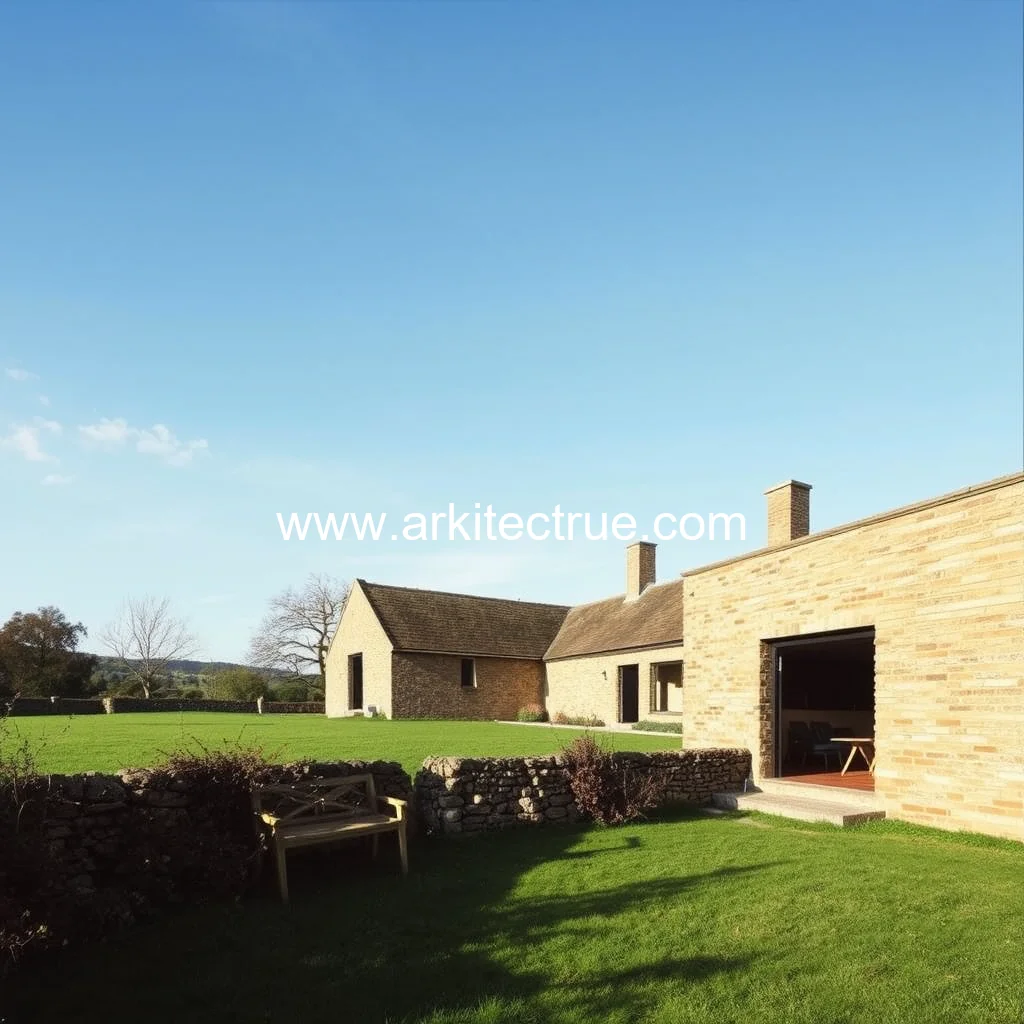
The Conceptual Approach
The book showcases the house as a blank slate, stripped of its functional elements. This approach highlights the building’s potential as a blank canvas, waiting to be filled with the owner’s personal touches and style. The 17th-century perspective drawing style adds a sense of history and tradition to the design, emphasizing the house’s connection to the past. The use of a 17th-century perspective drawing style is a deliberate choice, meant to evoke a sense of nostalgia and timelessness. The drawing style is reminiscent of the works of artists such as Pieter Bruegel the Elder, who was known for his detailed and realistic depictions of rural life. The use of this style also serves to emphasize the house’s connection to the surrounding landscape, creating a sense of harmony and balance between the built and natural environments.
The Architect’s Vision
Adam Richards Architects, the design firm behind the book, aimed to create a visual representation of the house that would capture its essence and spirit. The architects’ vision is to showcase the house as a blank slate, waiting to be filled with the owner’s personal touches and style. The architects’ approach is centered around the idea of the house as a canvas, rather than a finished product.
He believed that buildings should be functional and not decorative, and that the primary purpose of a building should be to serve its intended function.
The Philosophy of Adolf Loos
Adolf Loos was an Austrian architect who lived from 1870 to 1933. He is widely regarded as one of the most influential architects of the 20th century. Loos was a pioneer of the International Style, a movement that emphasized simplicity, functionality, and minimal ornamentation. He believed that buildings should be designed with the primary purpose of serving their intended function, rather than being decorative.
The Critique of Ornamentation
Loos was a fierce critic of ornamentation in architecture. He believed that excessive ornamentation was a sign of laziness and lack of skill. He argued that buildings should be designed with clean lines, minimal decoration, and a focus on functionality. Loos was particularly critical of the ornate and elaborate buildings of the time, which he saw as a reflection of the excesses of the wealthy and powerful.
The Influence of Loos on Architecture
Loos’s ideas had a significant impact on the development of modern architecture.